
Build-a-Book





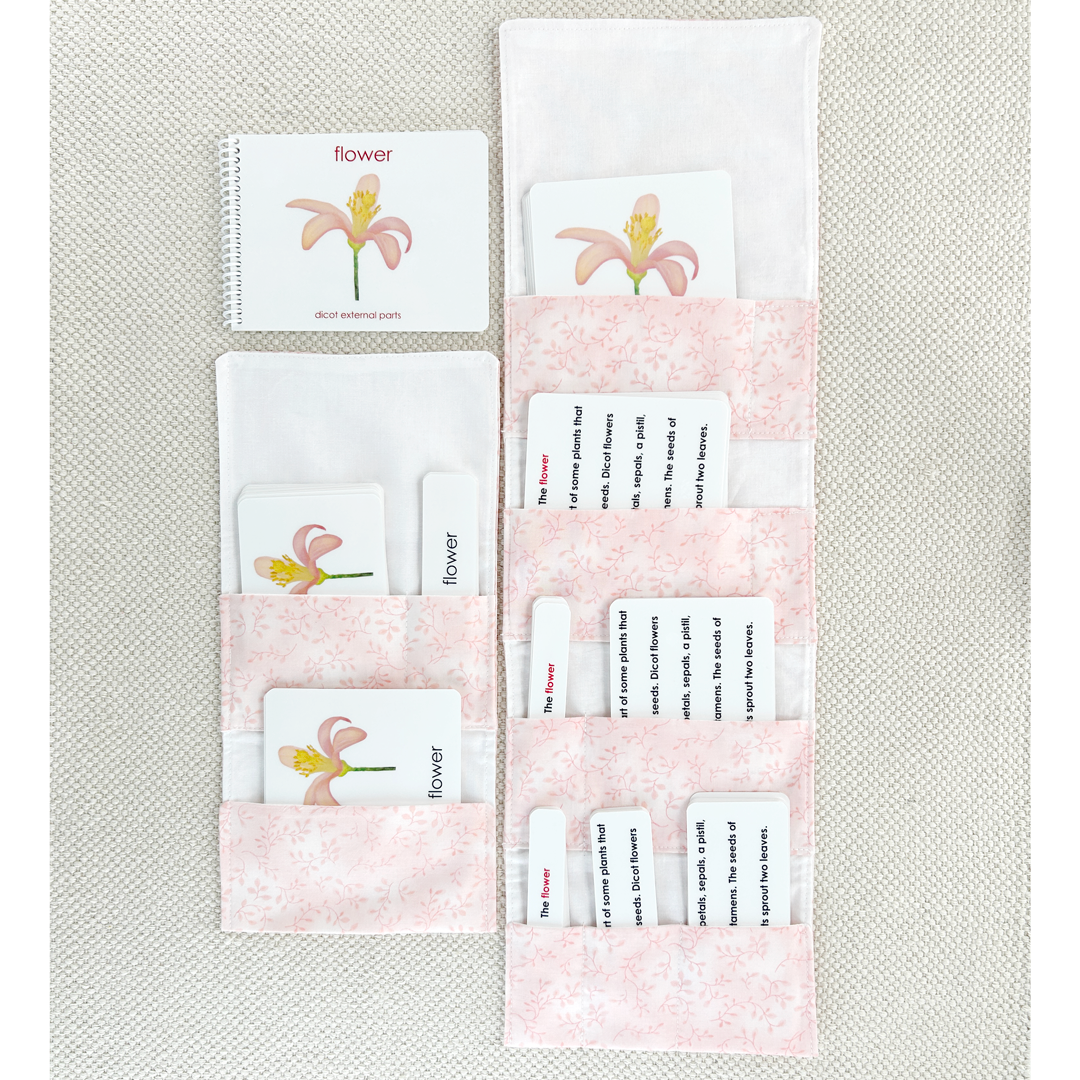


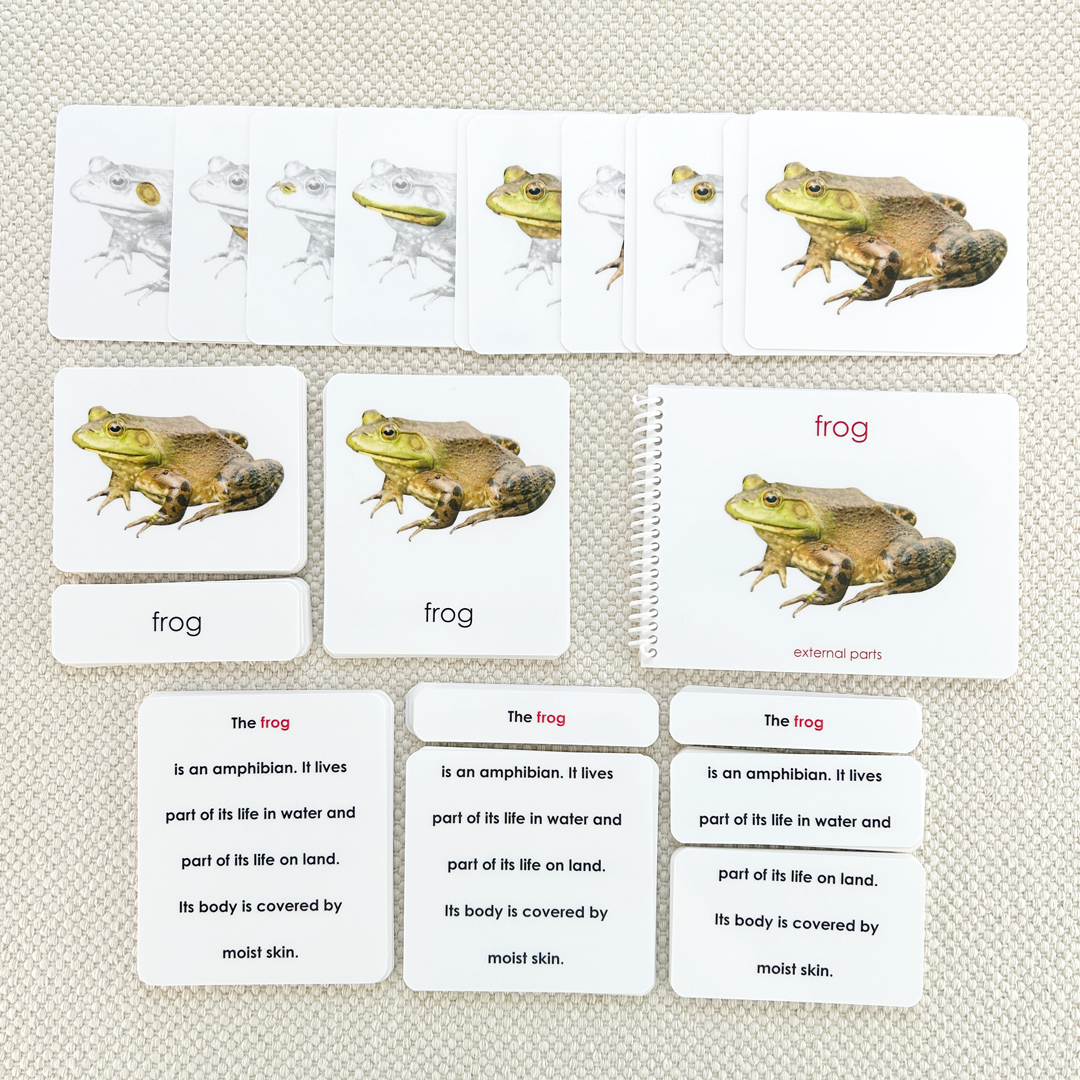
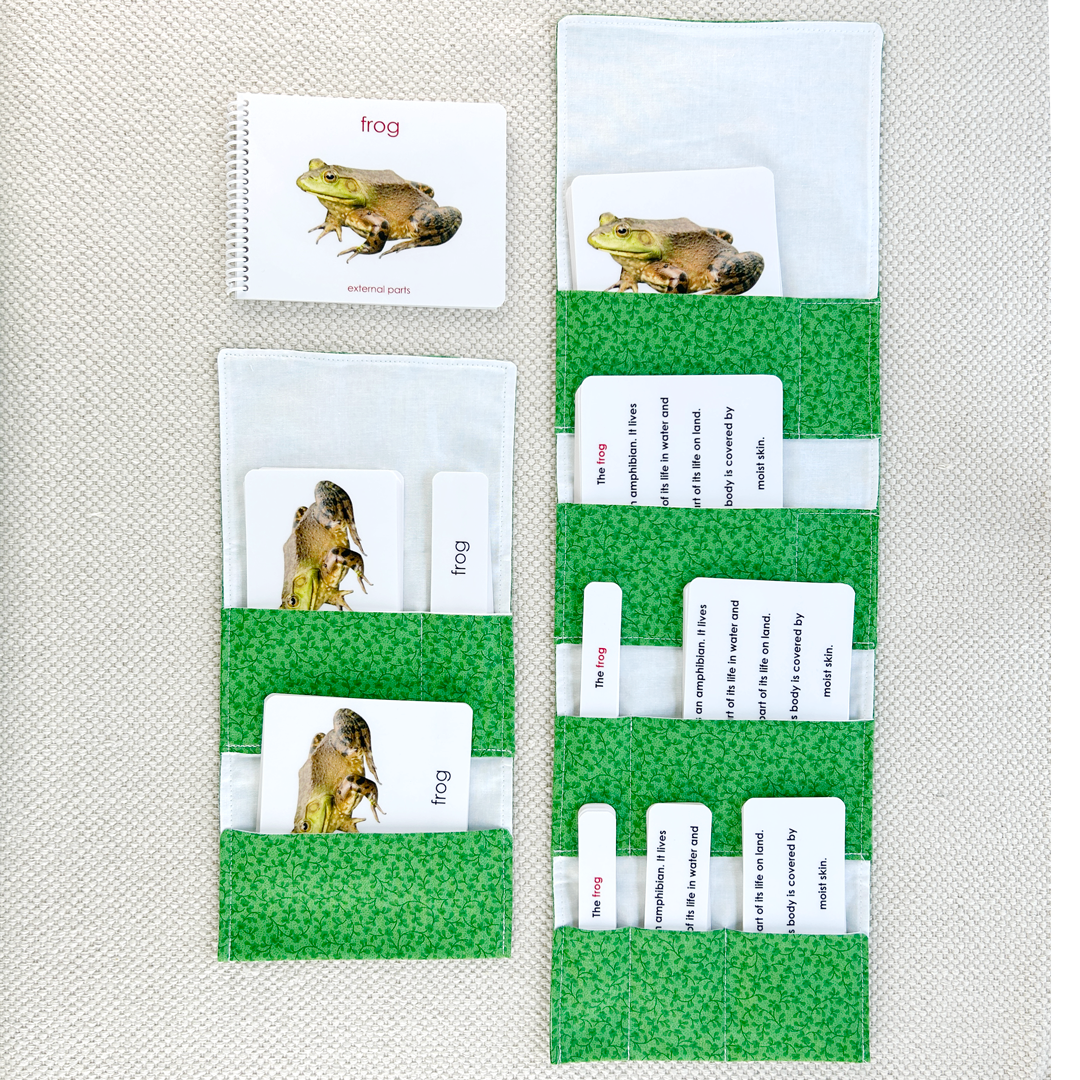
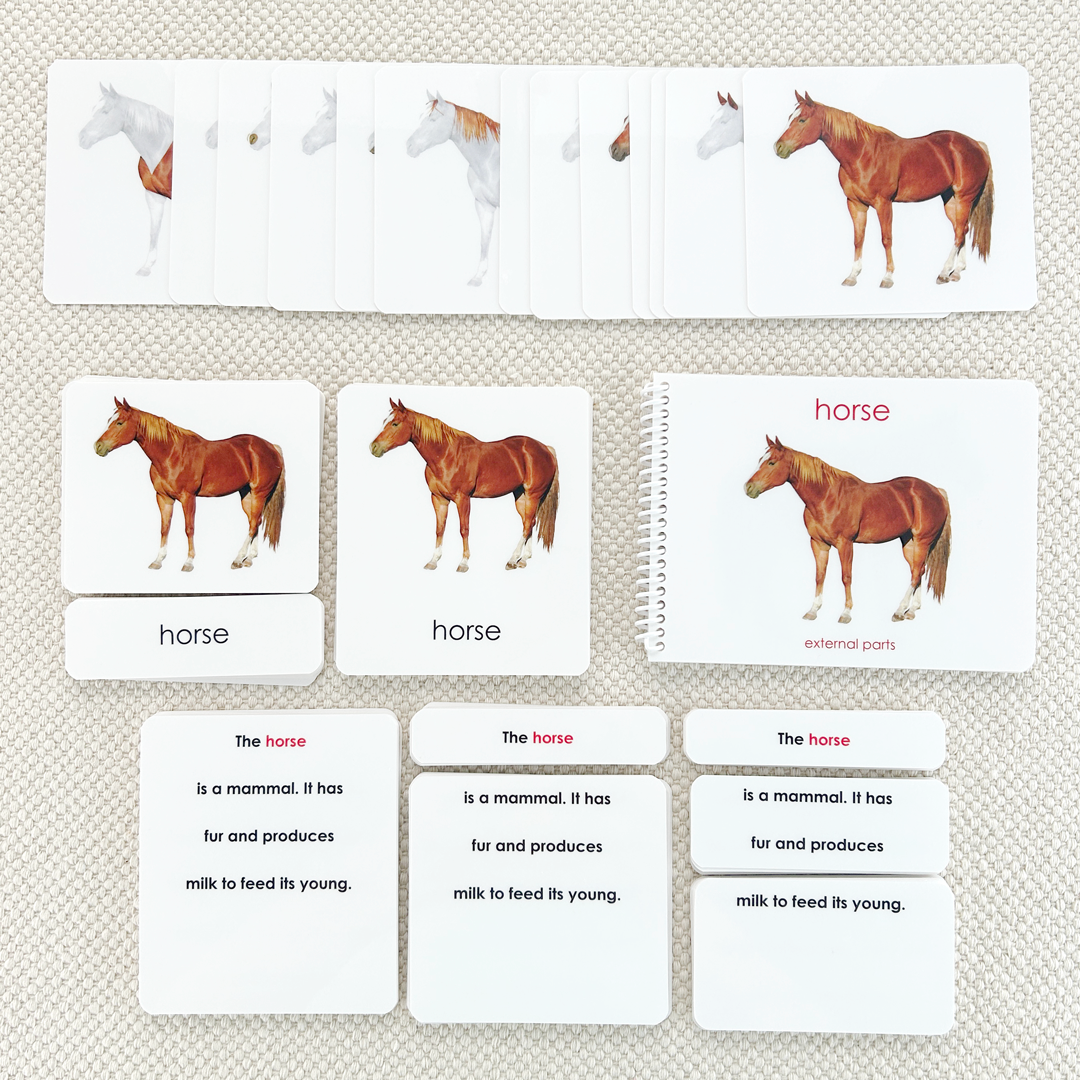
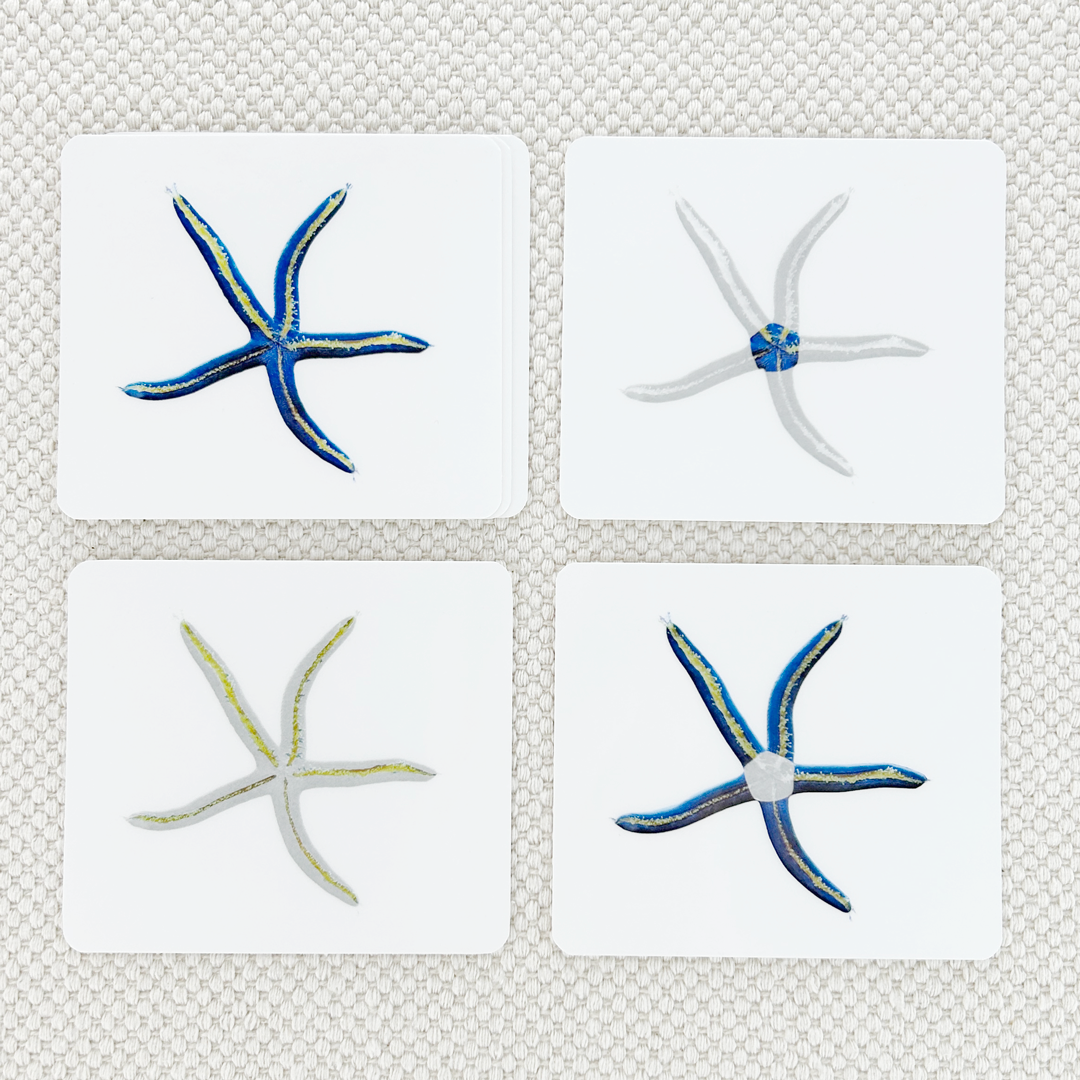
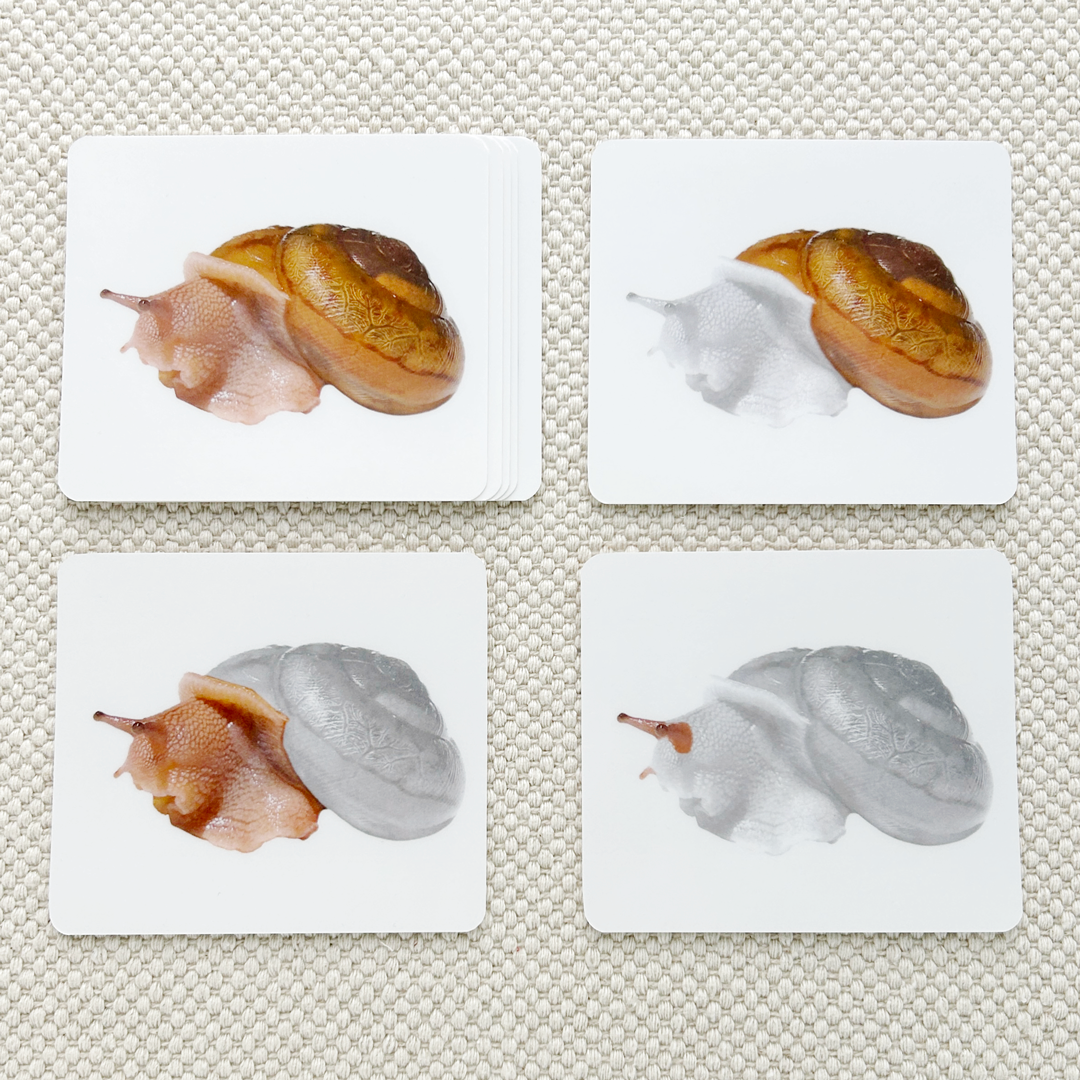

More Information:
Build-a-Book

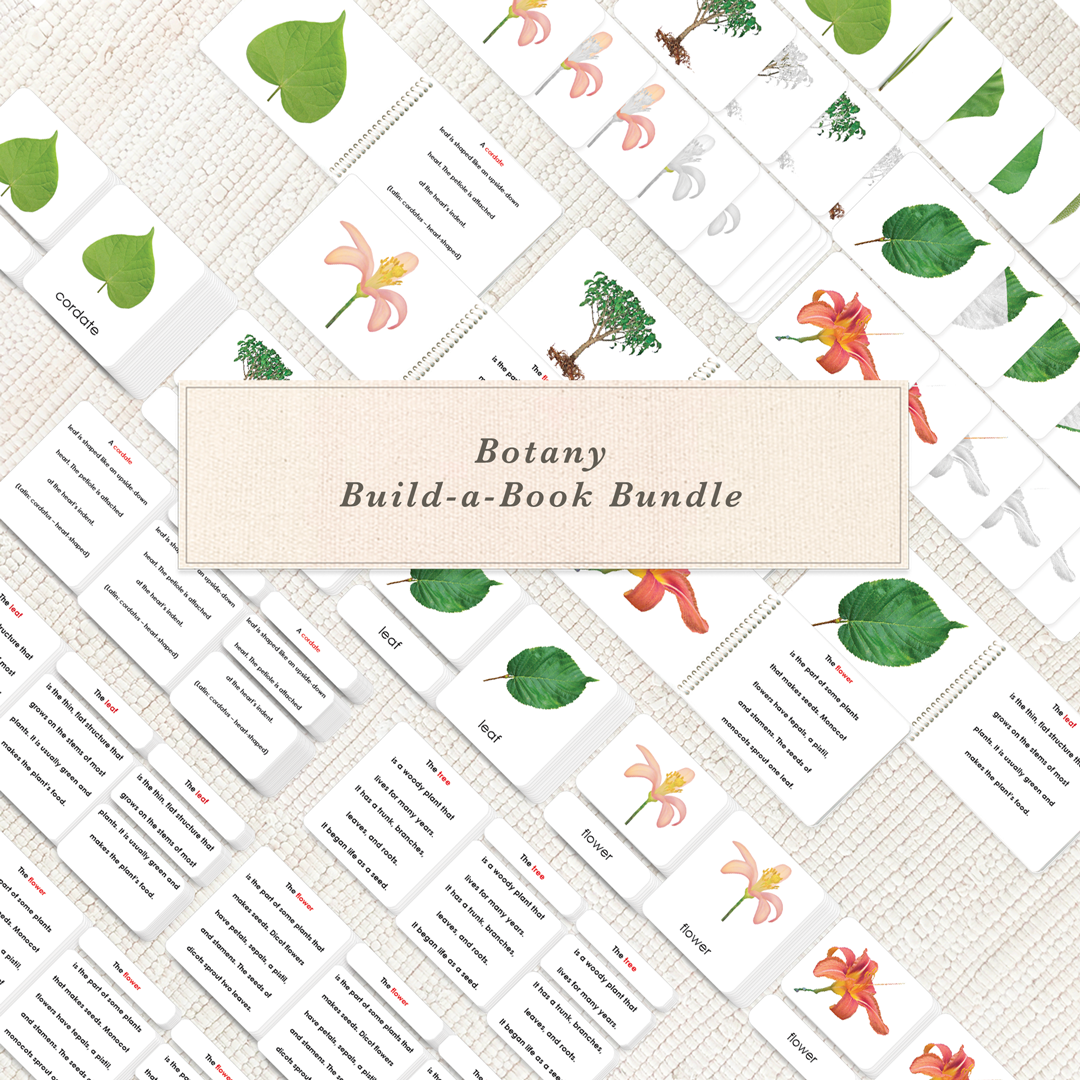
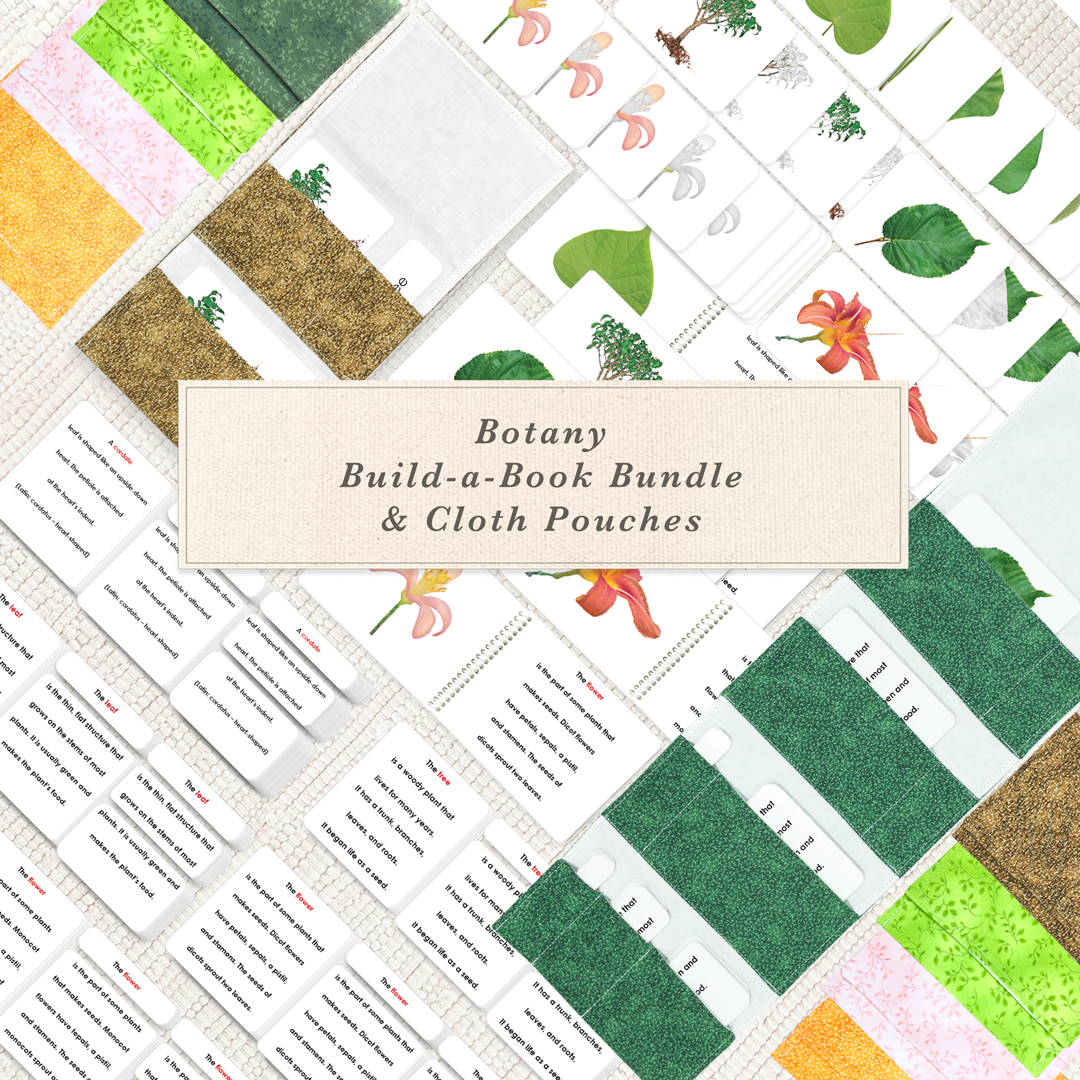
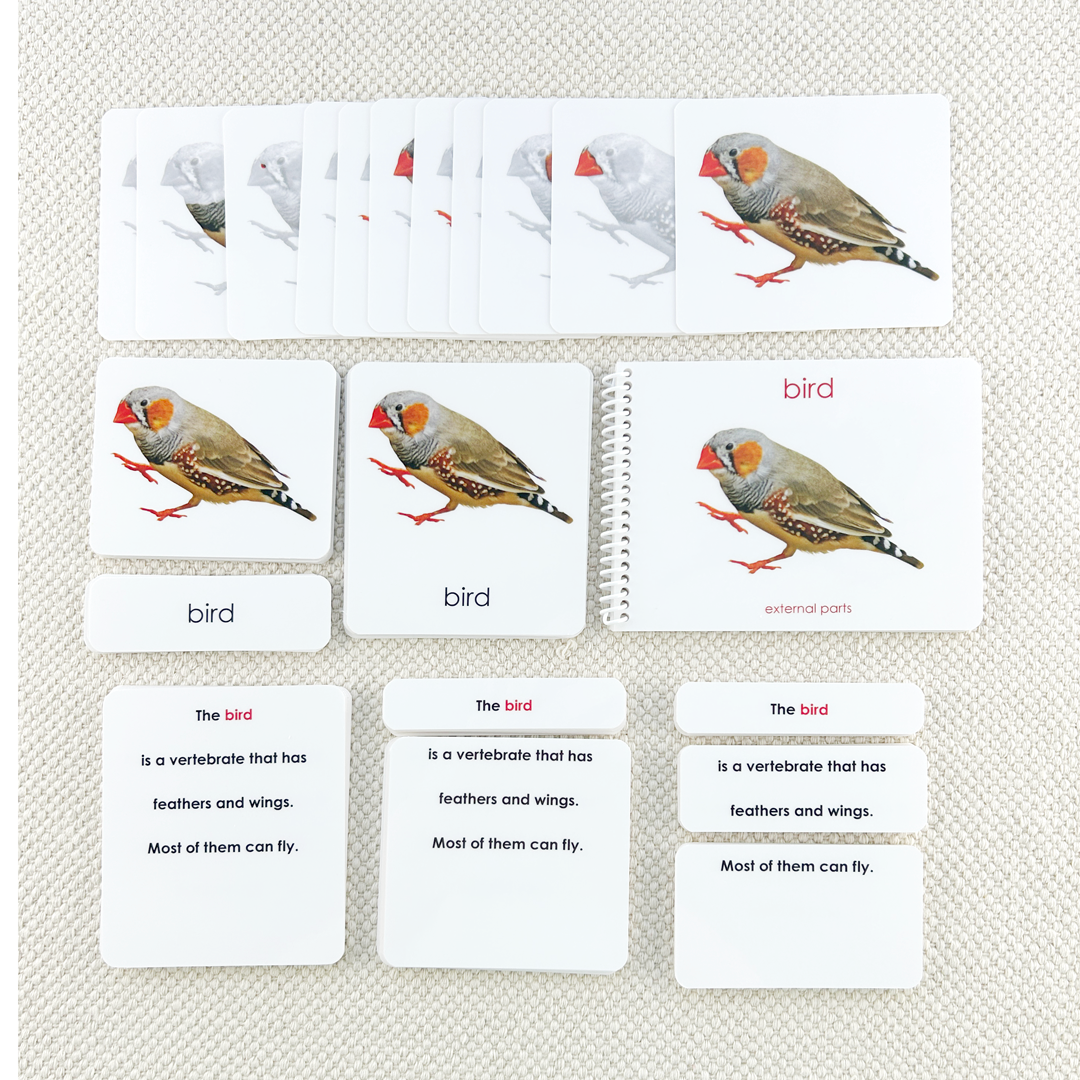
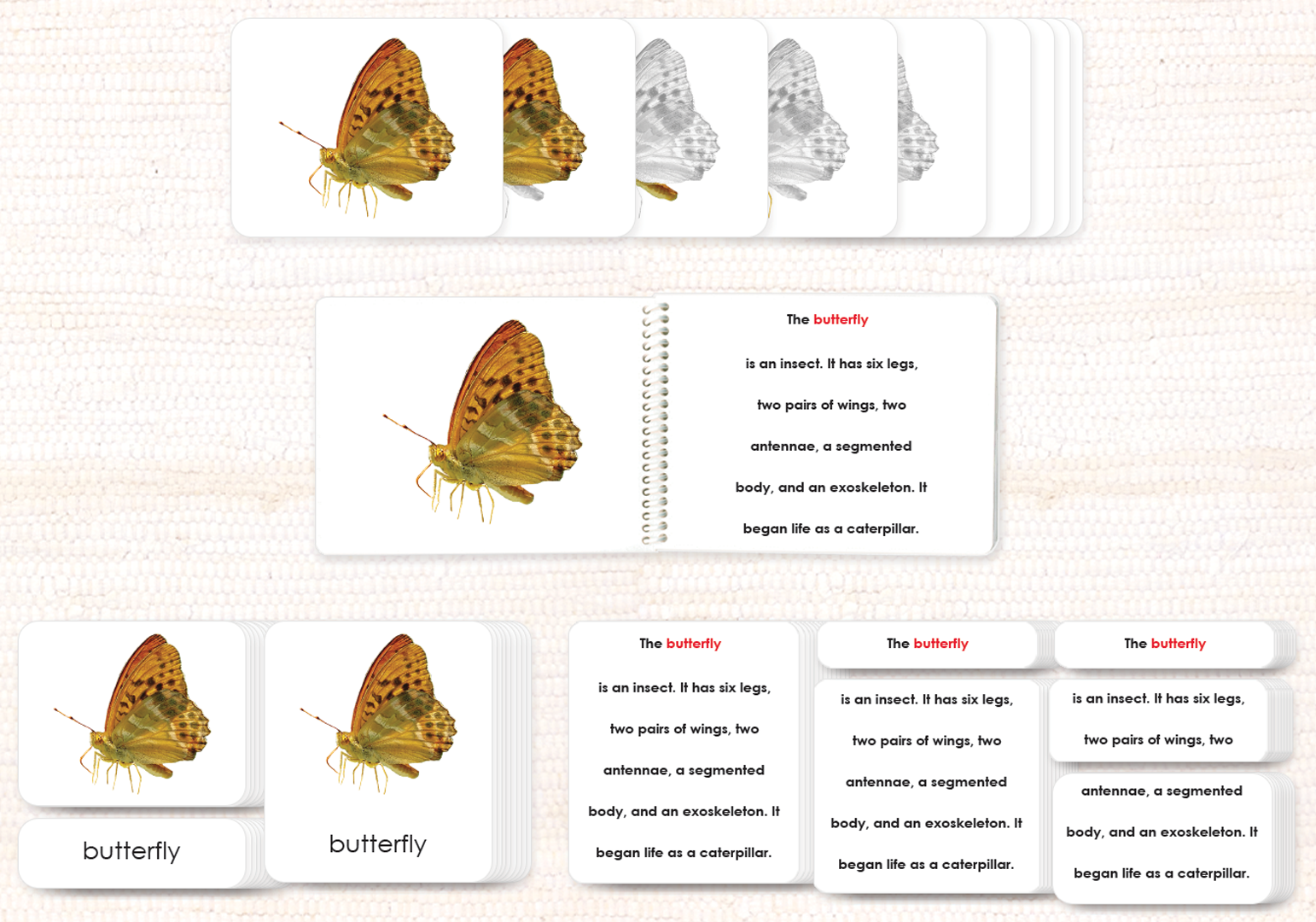
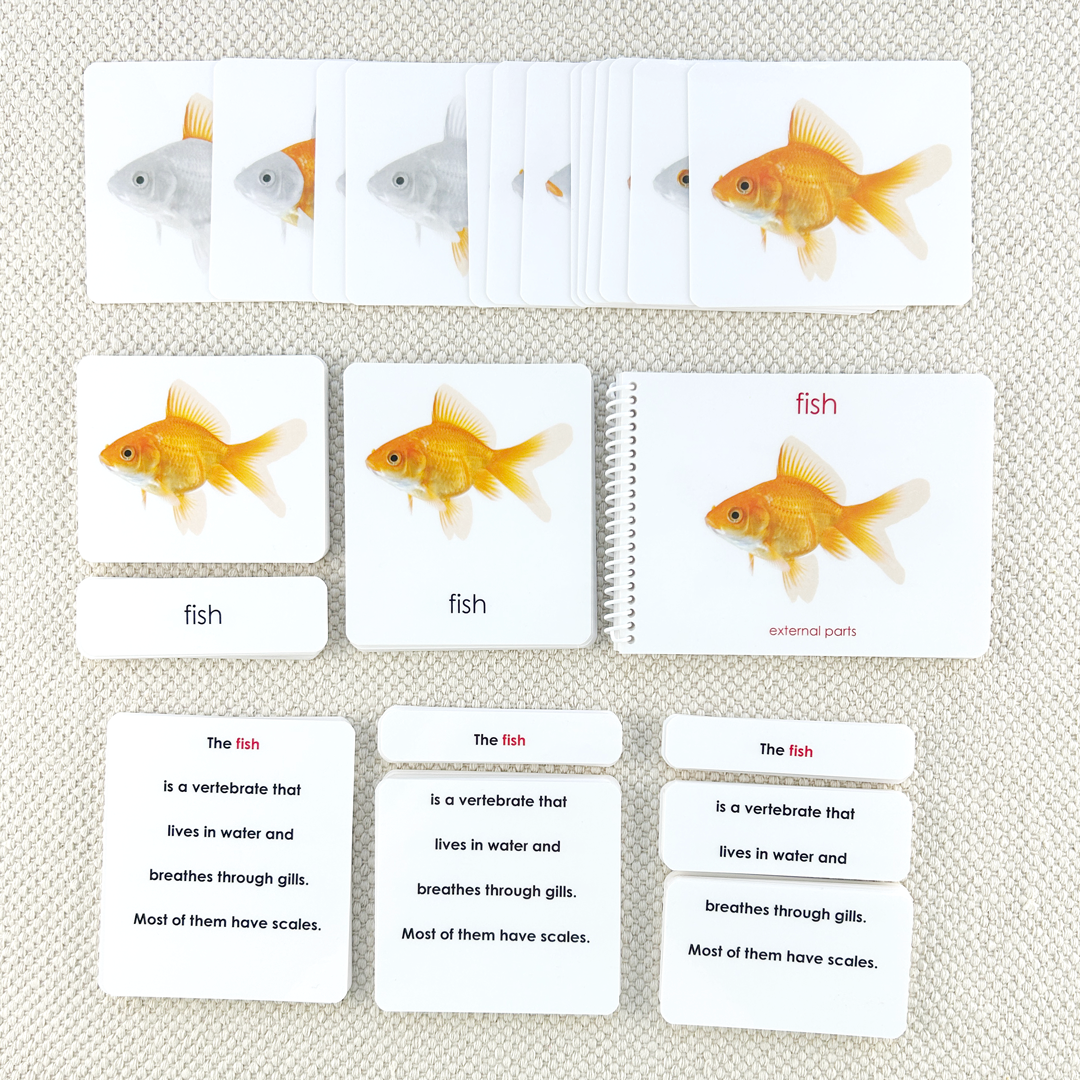
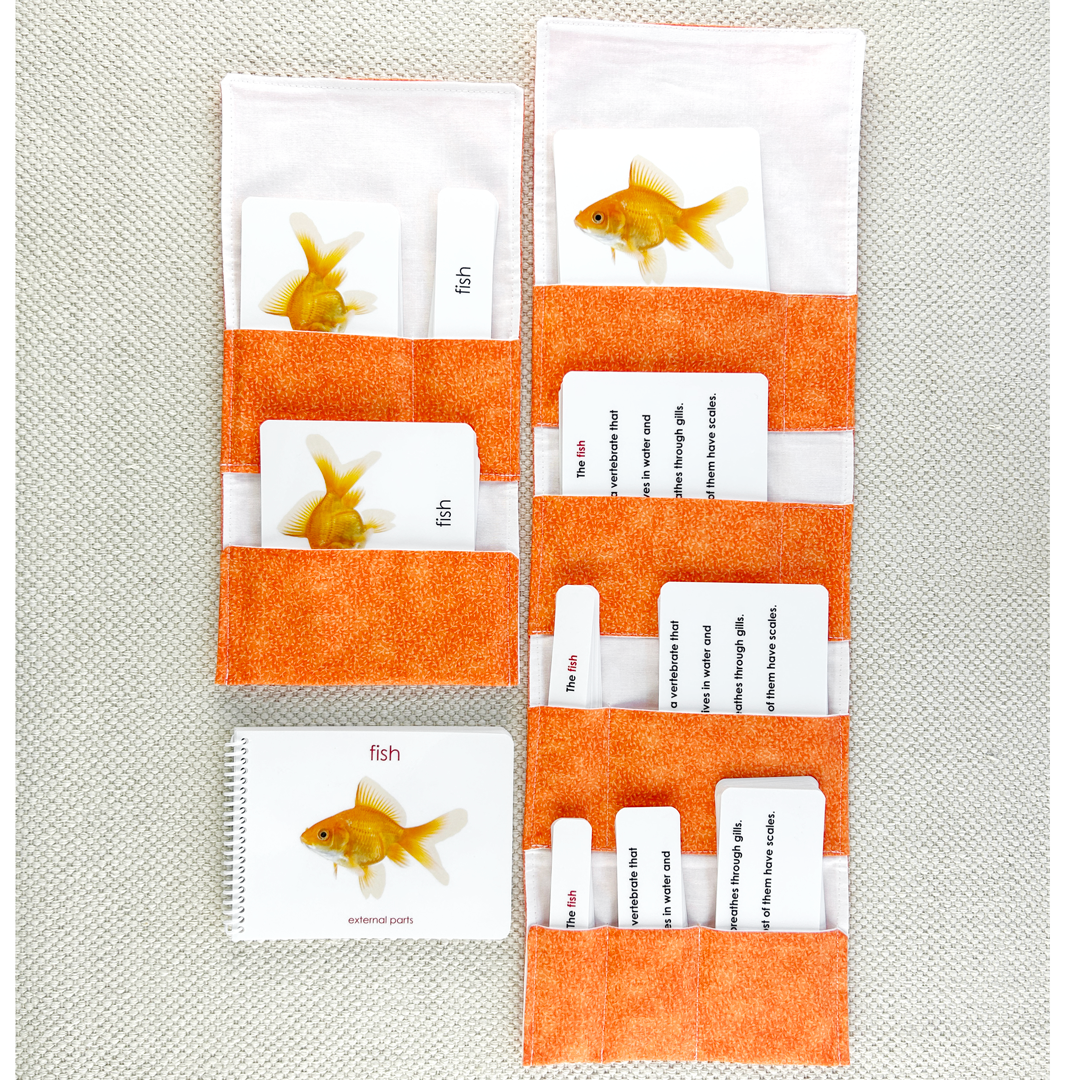
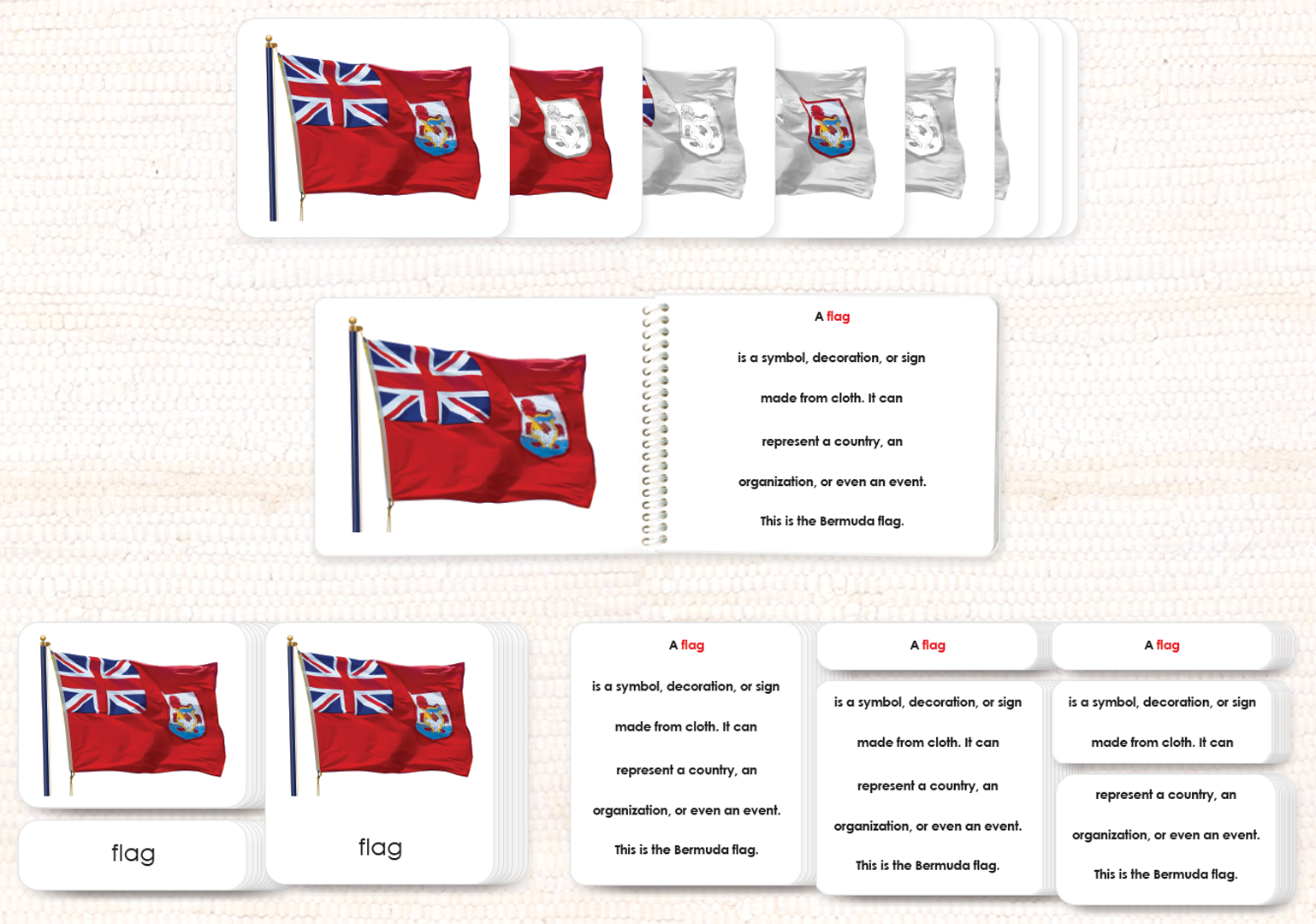
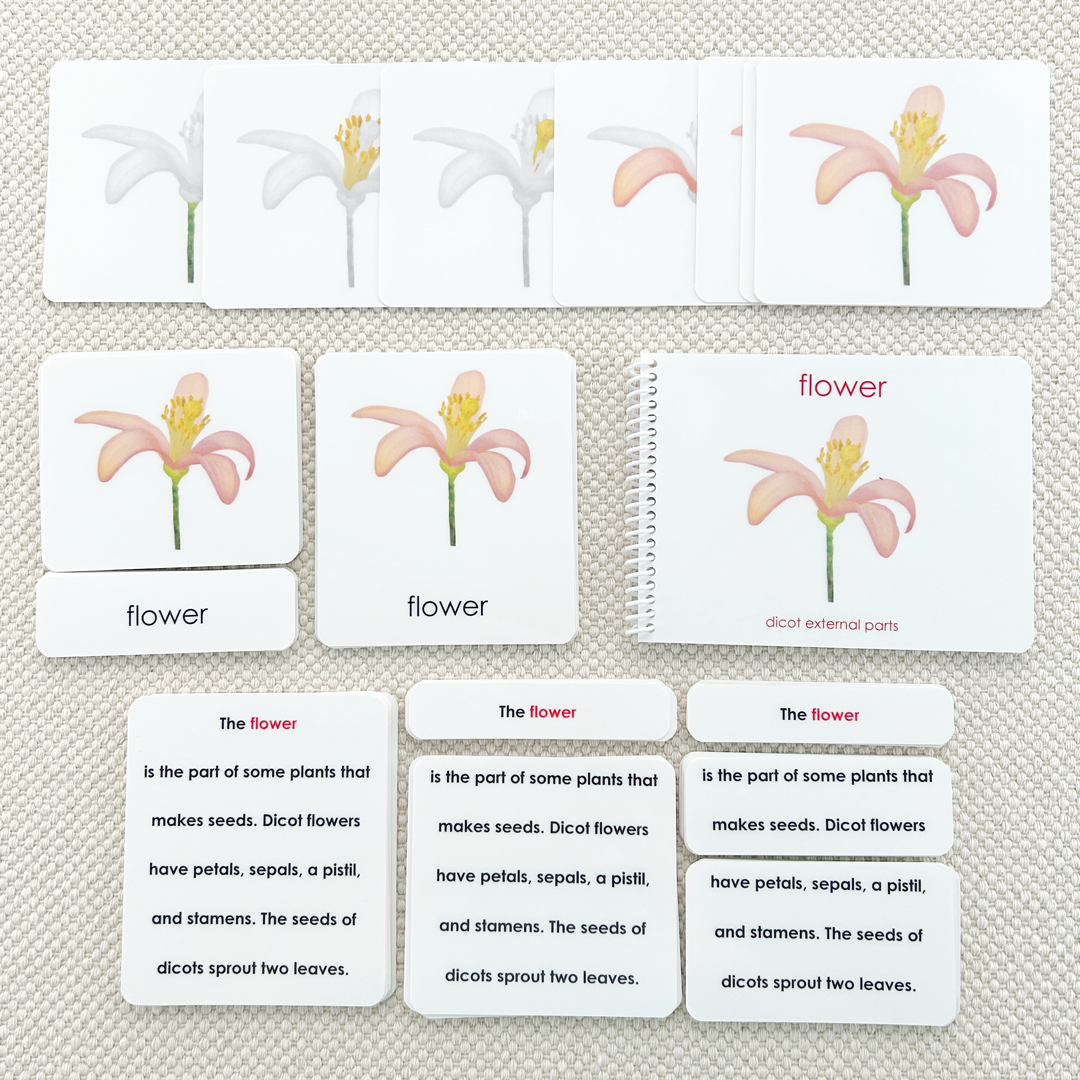
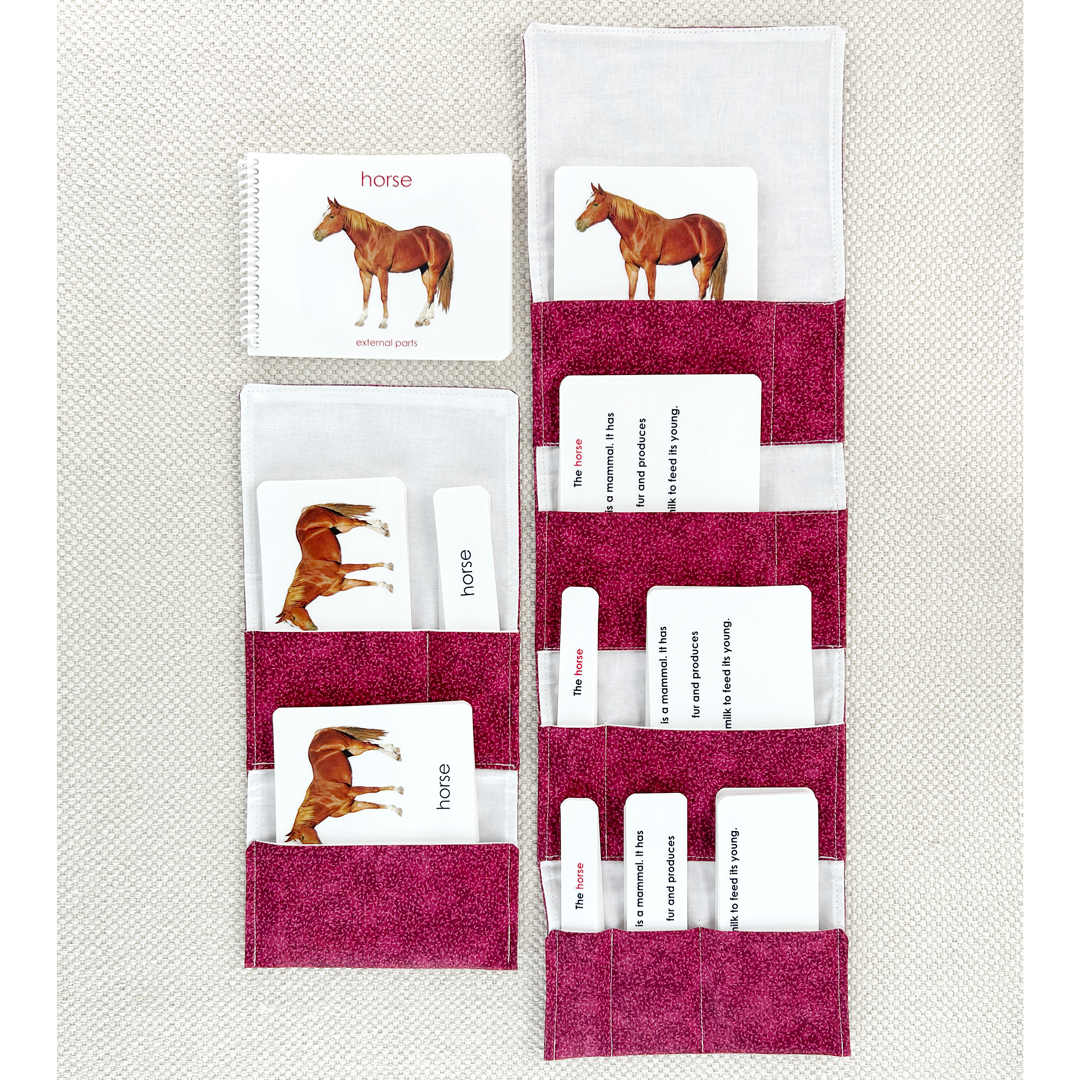
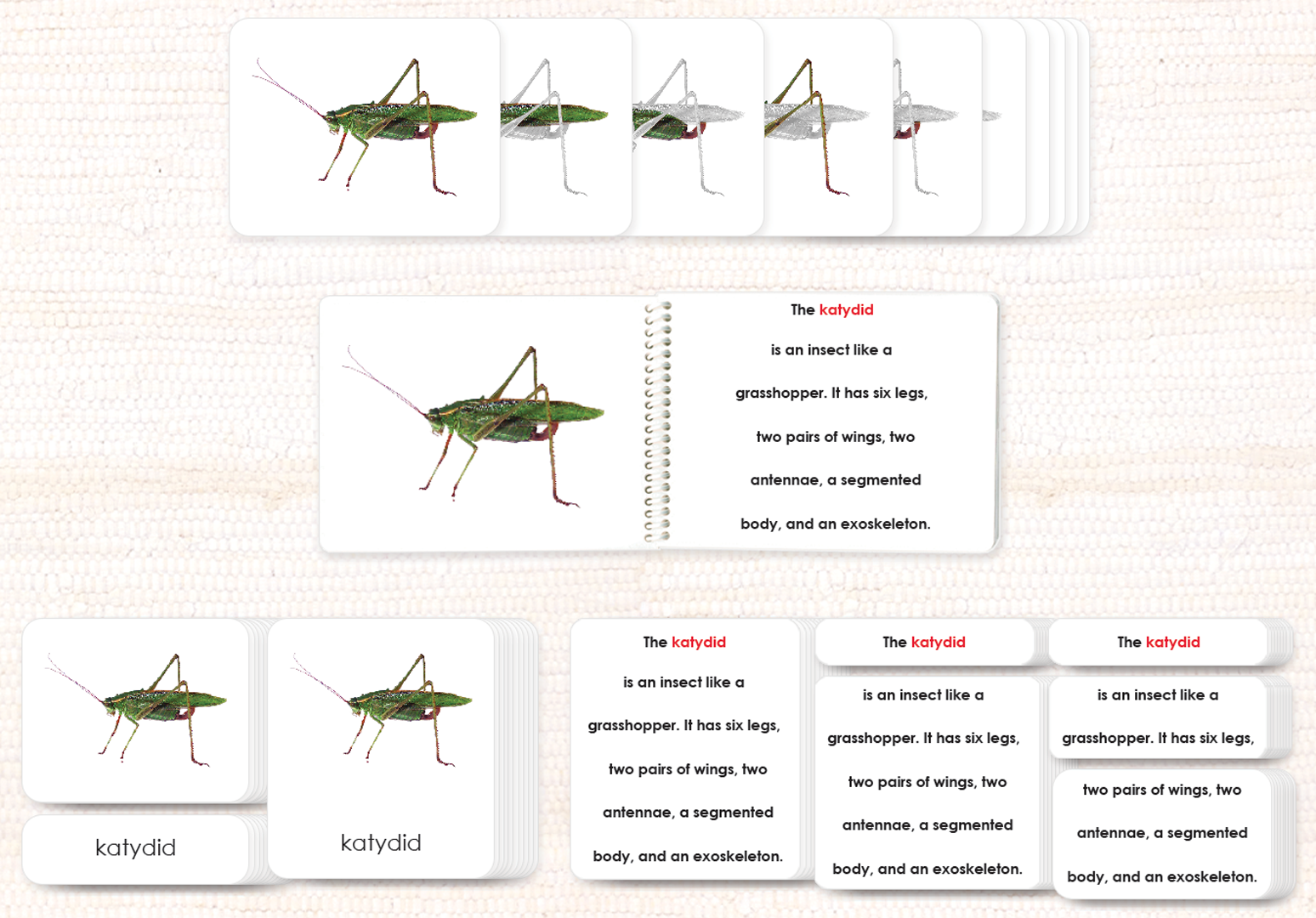
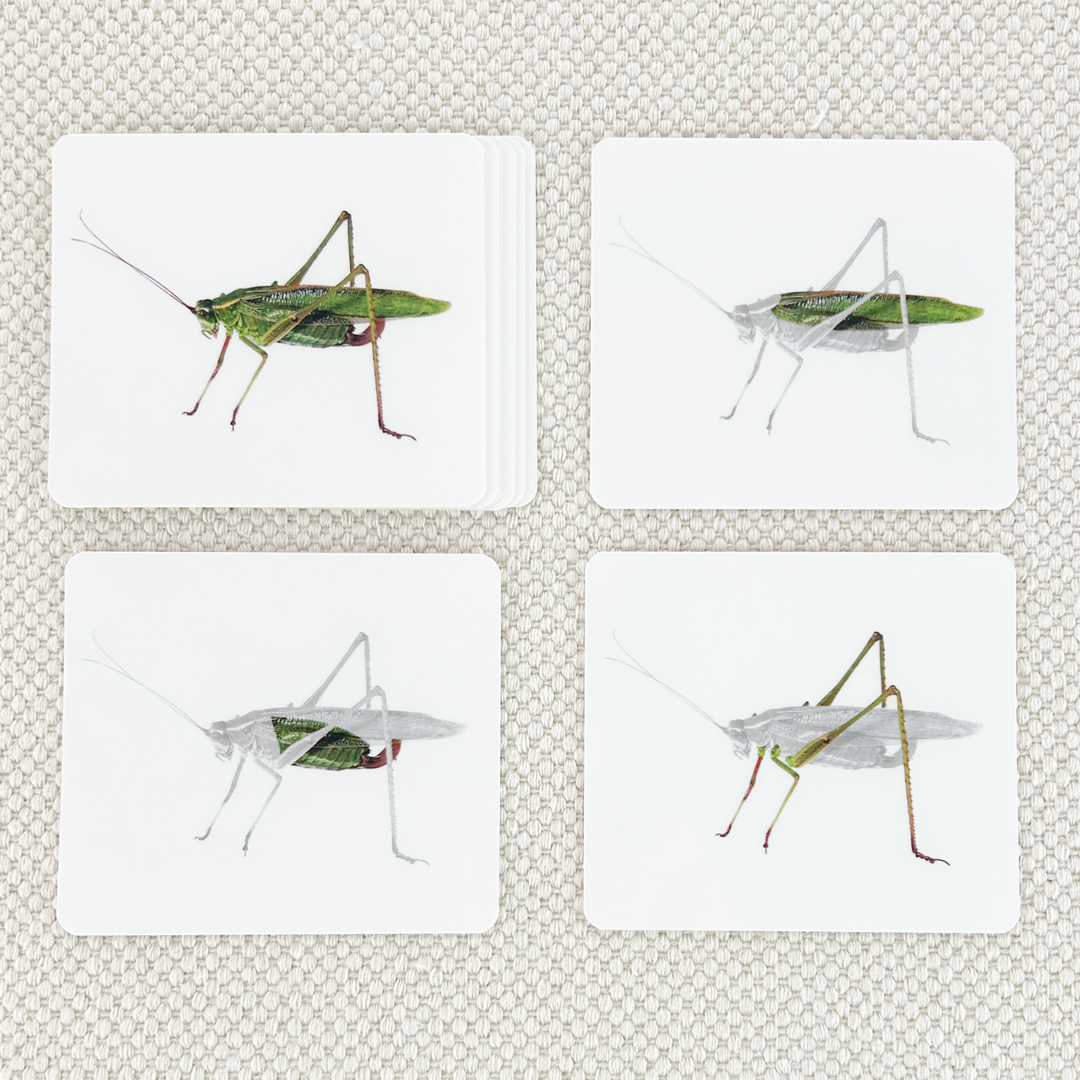
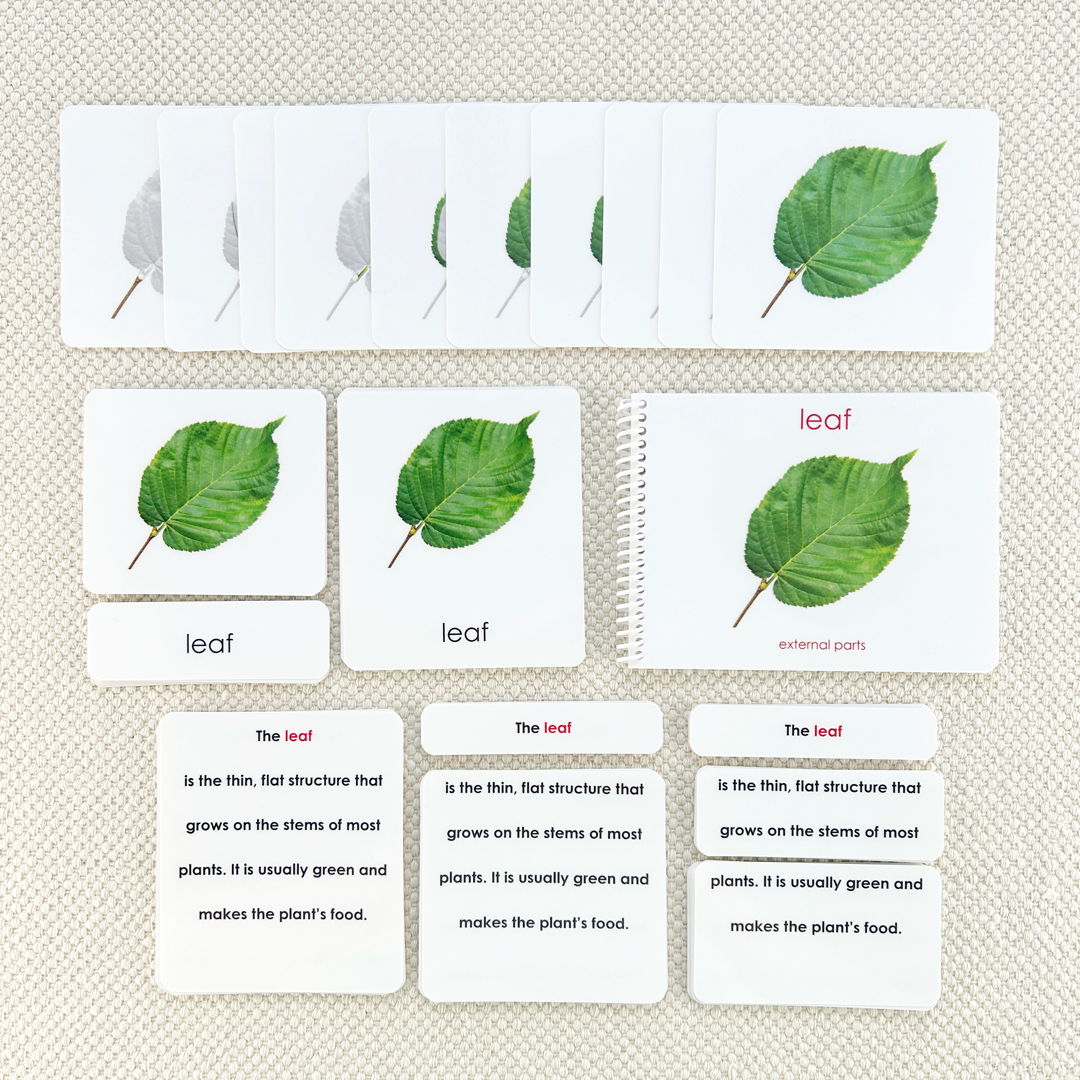
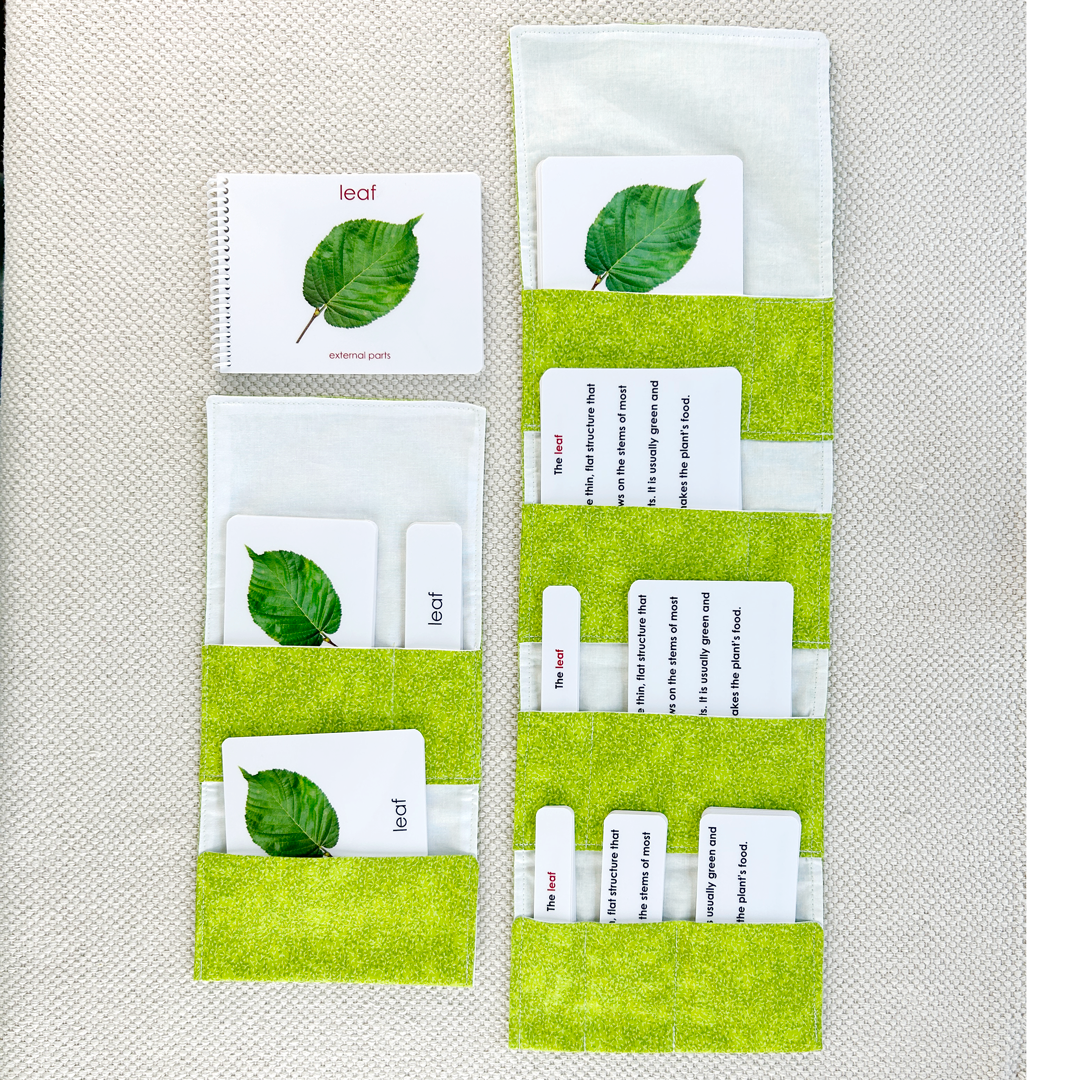
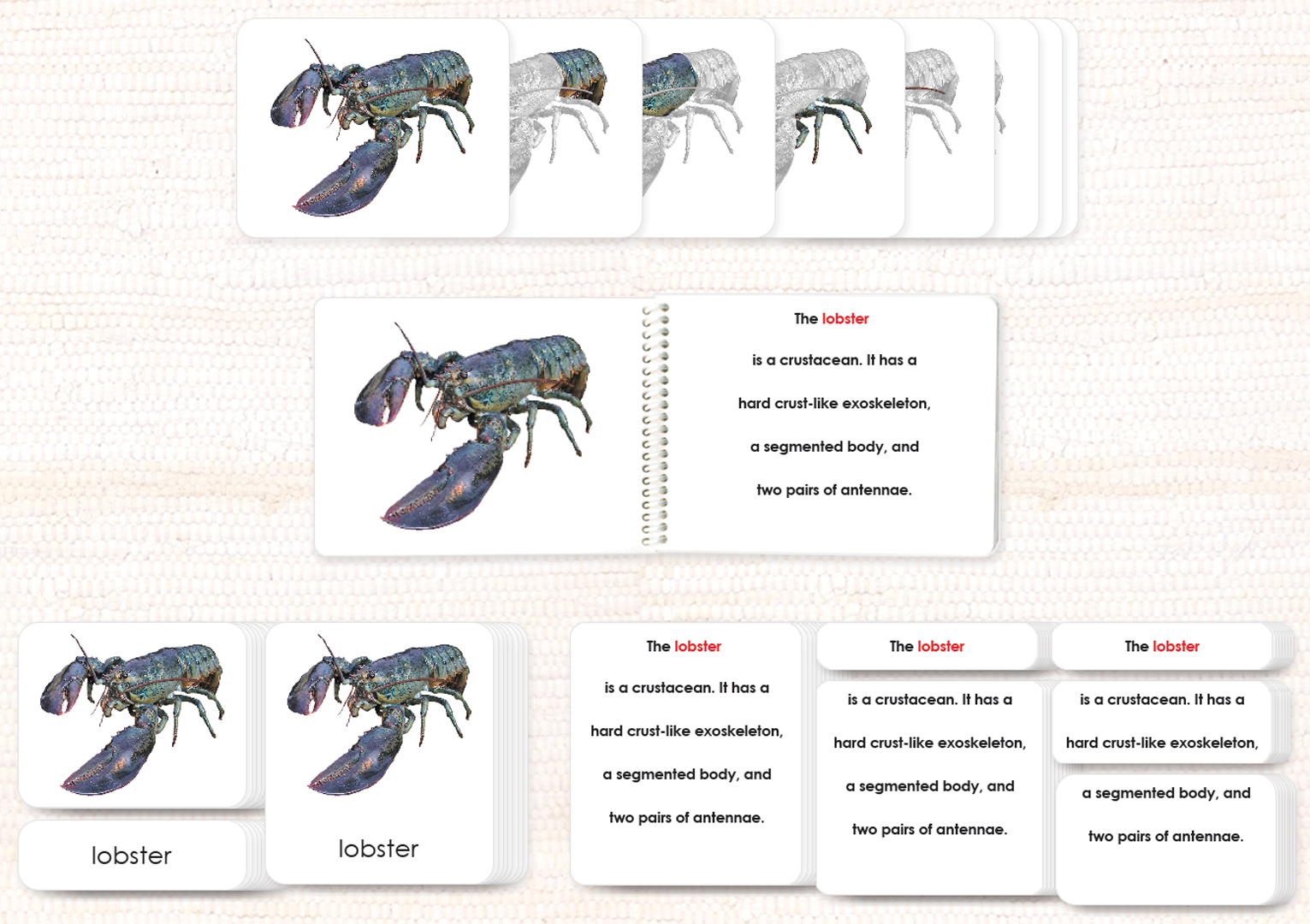
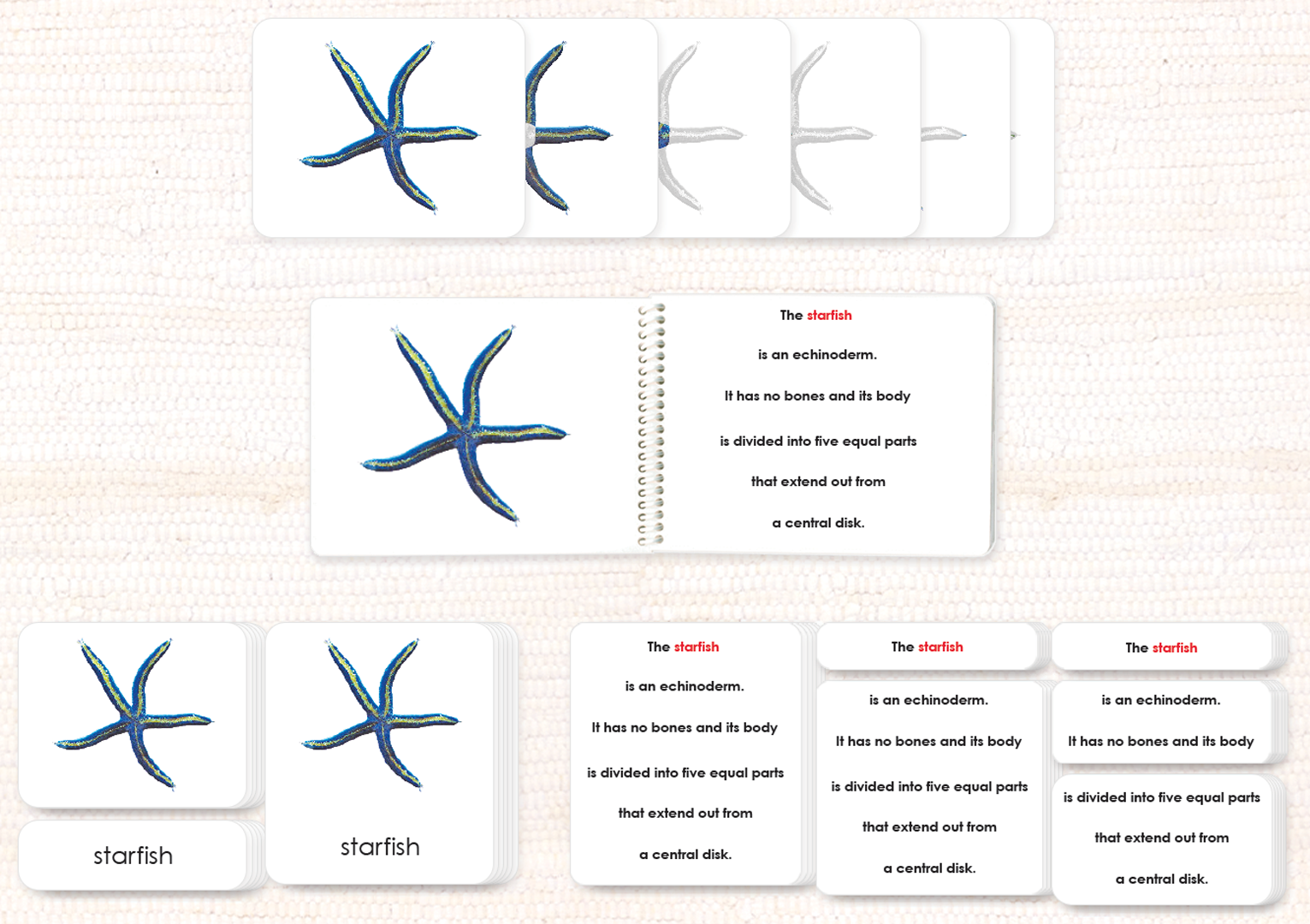
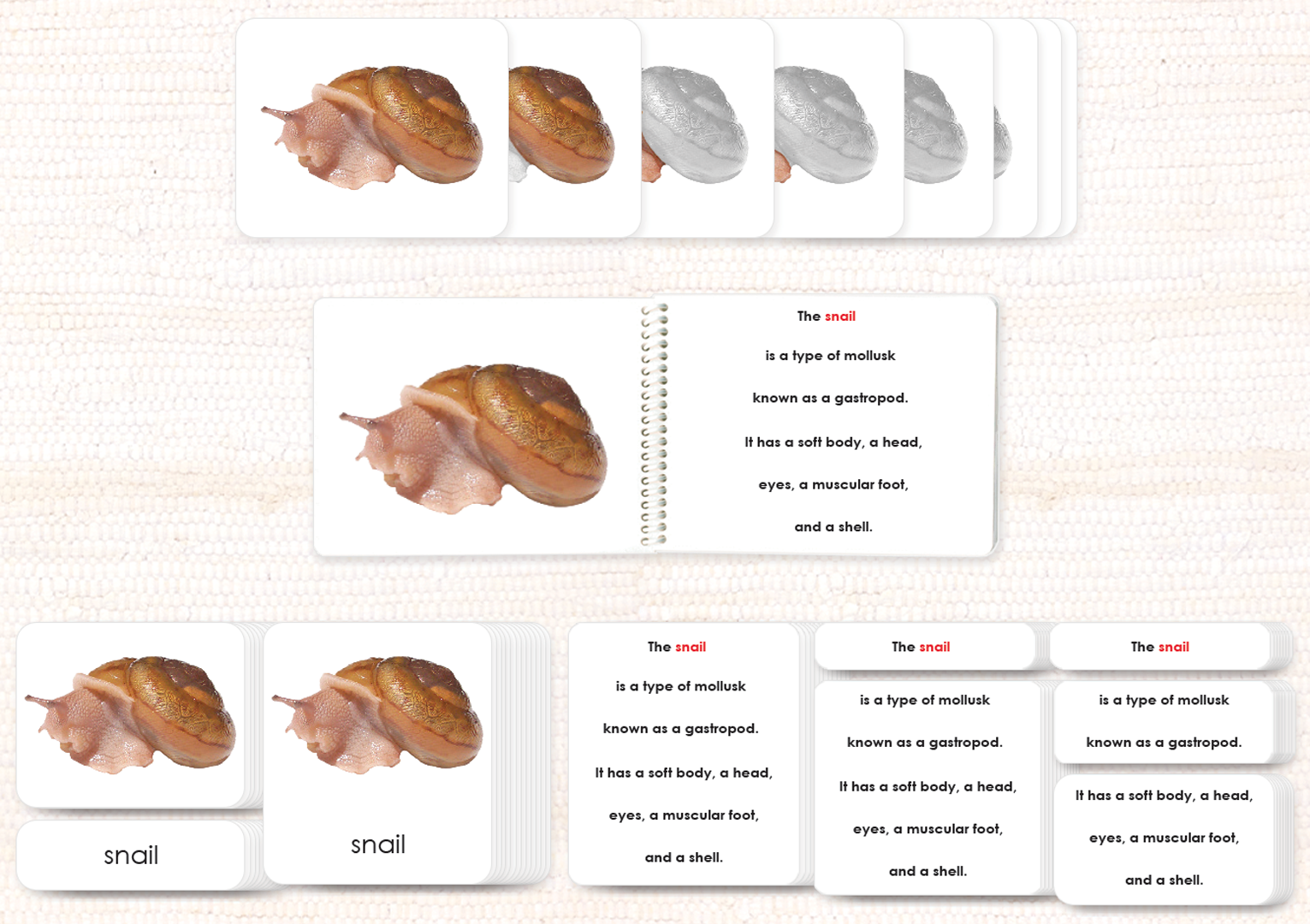
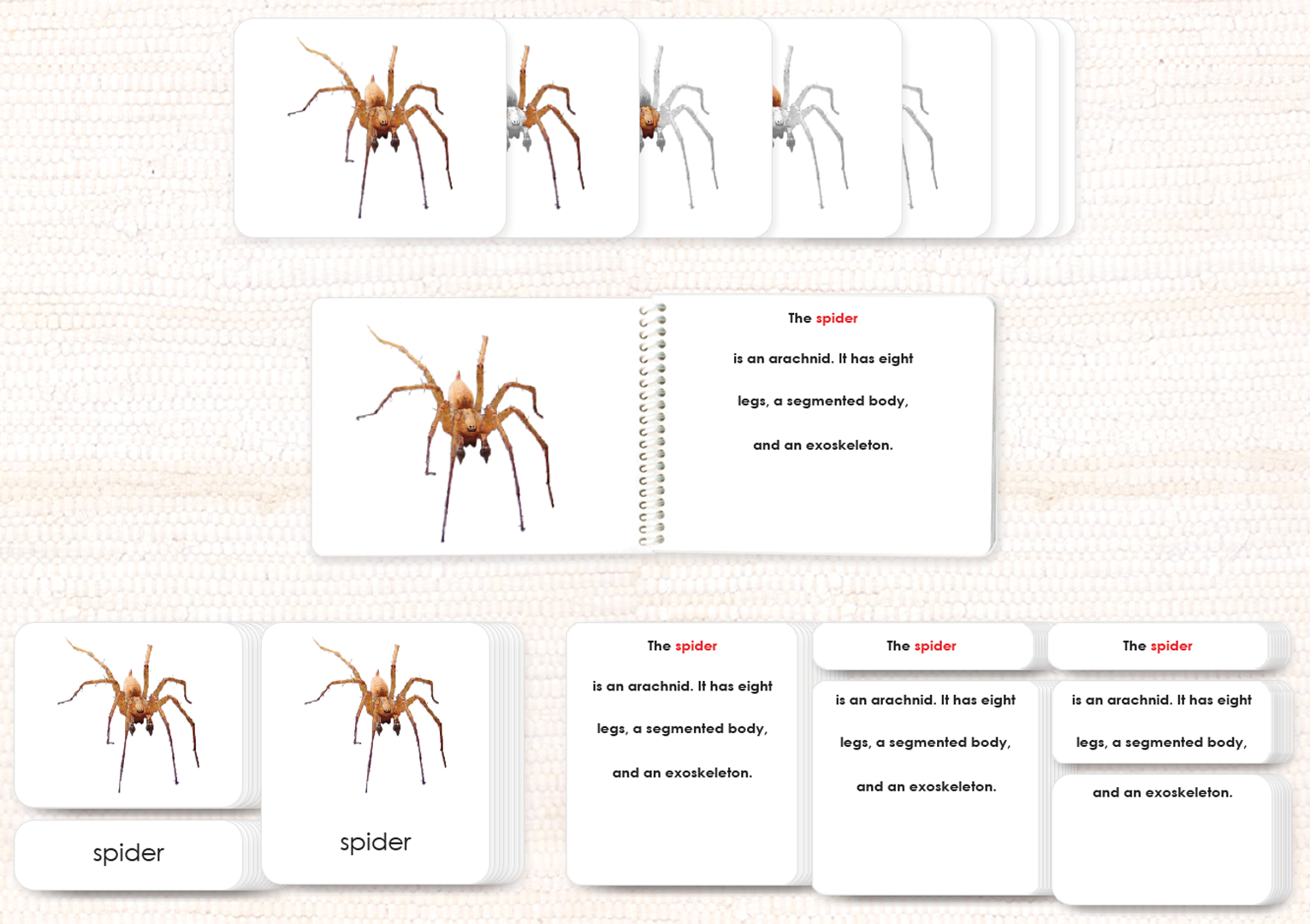
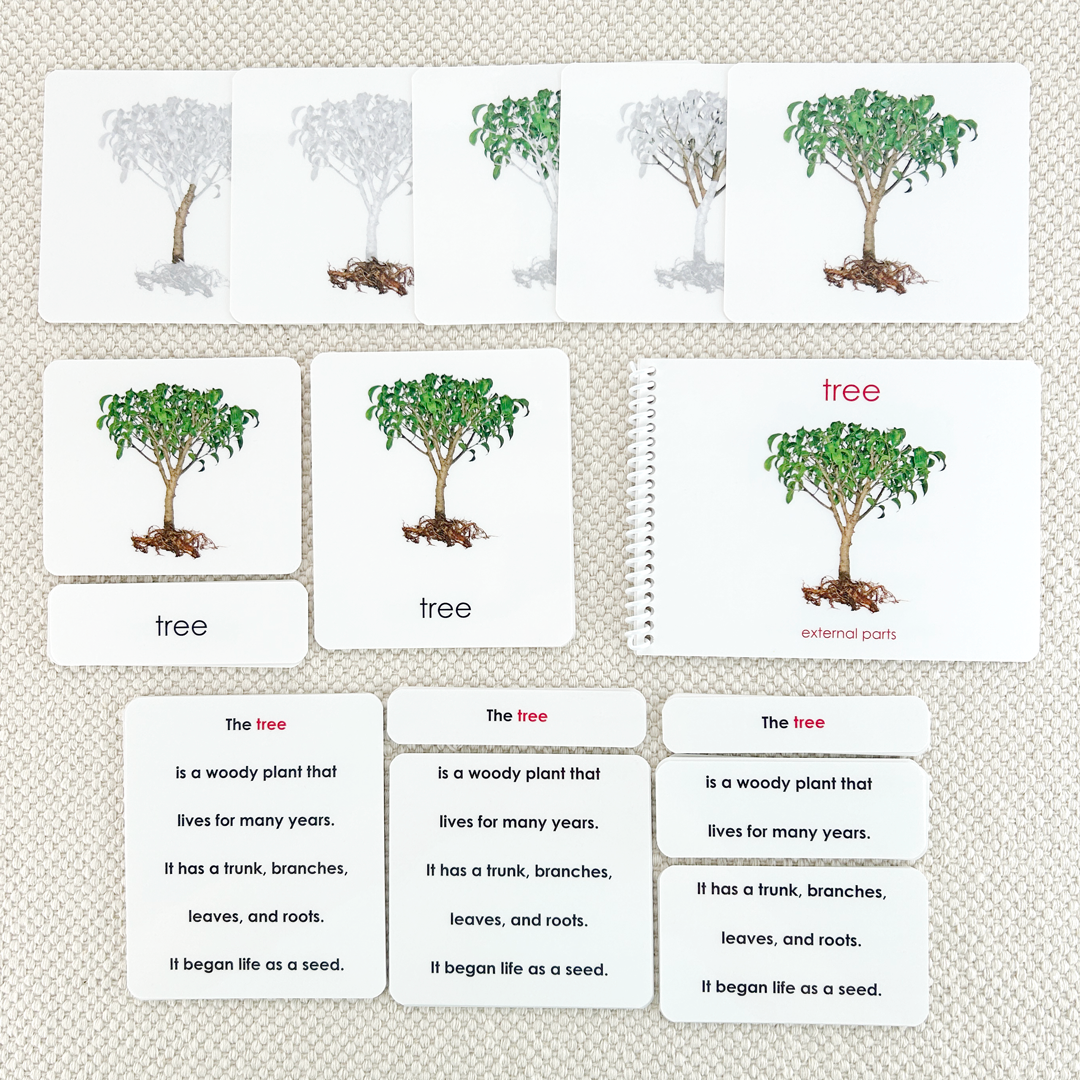
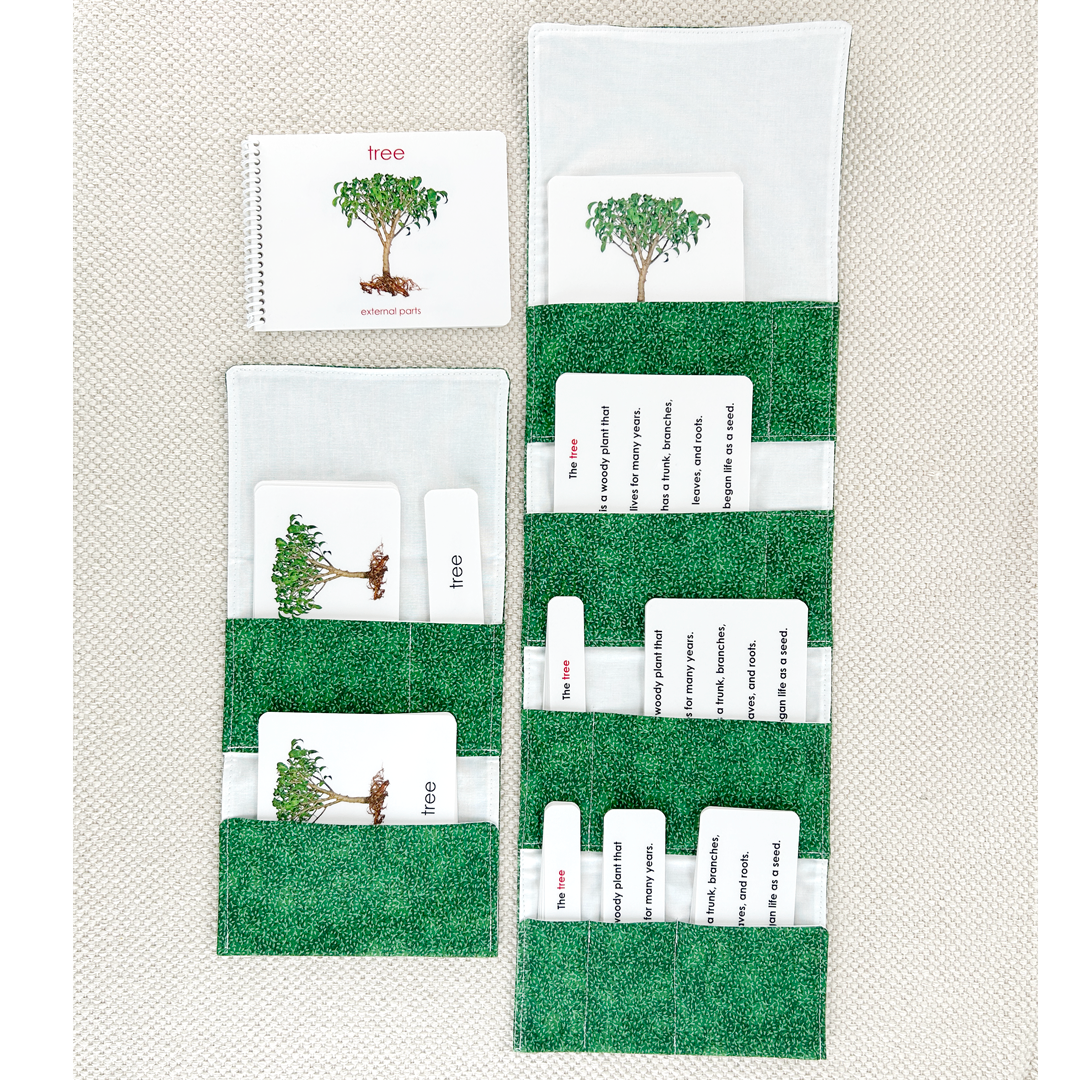
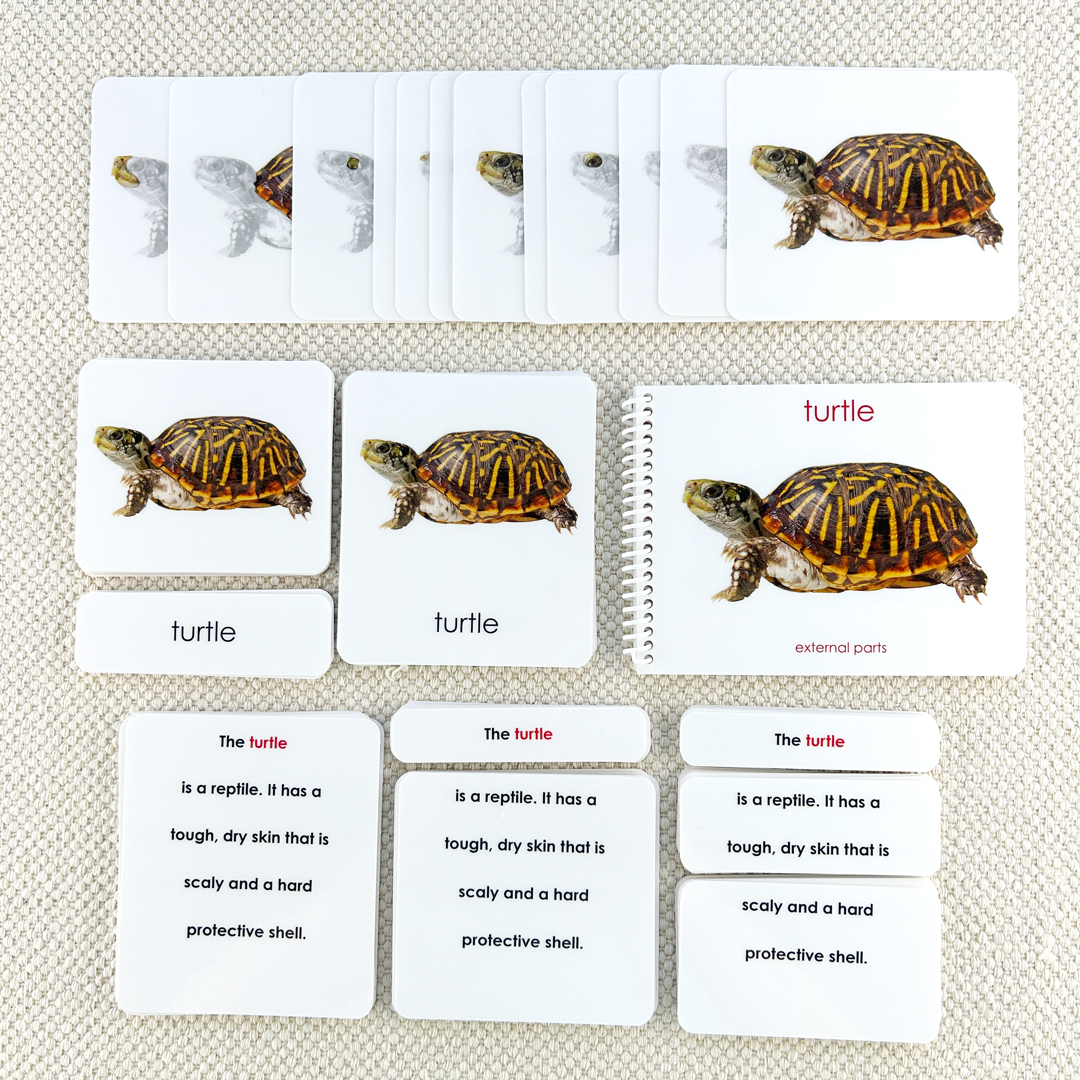
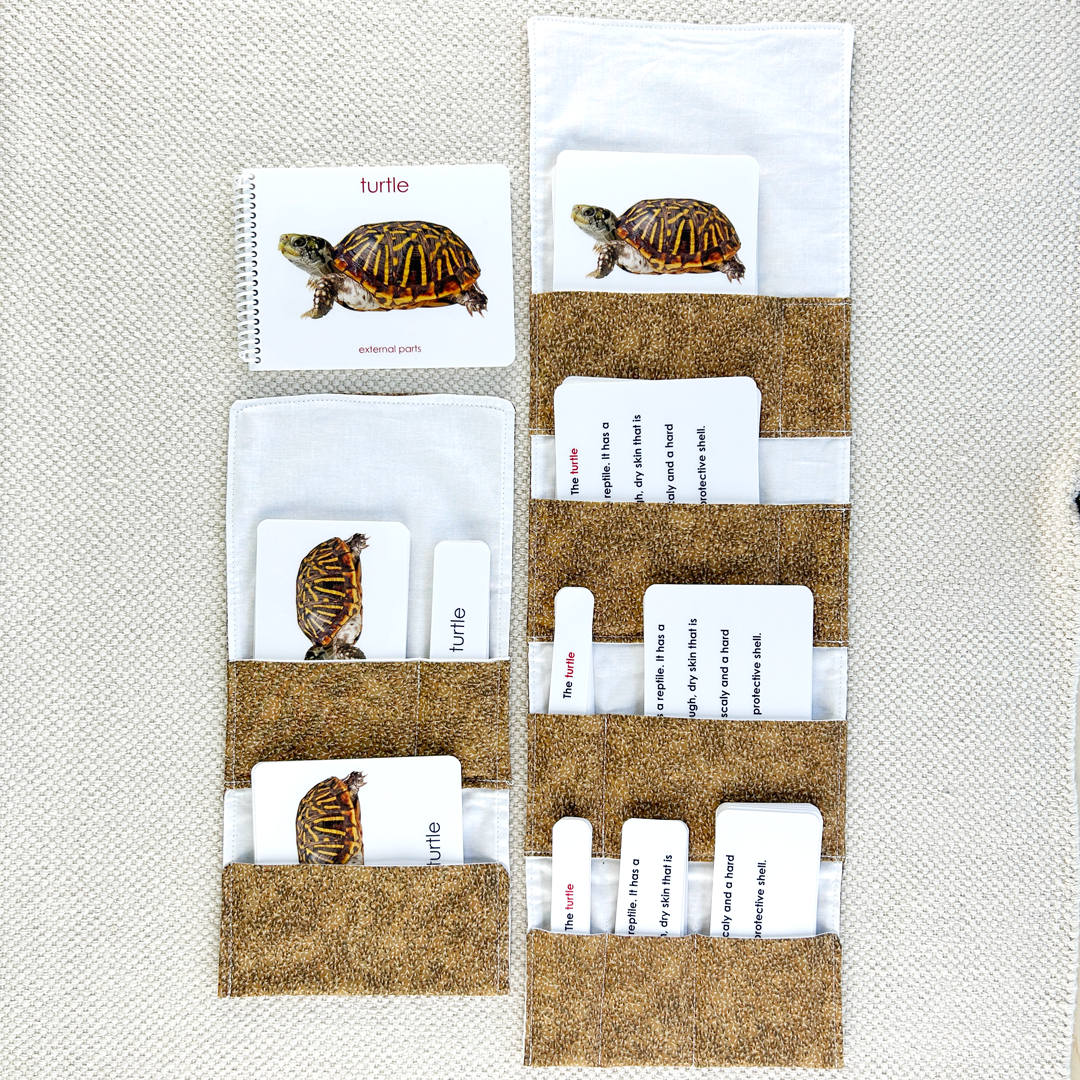
Montessori build-a-book sets take the science and geography vocabulary students have learned and turn it into deep reading comprehension work. Each set pairs a definition book with matching vocabulary cards, 3-Part Cards, and definition cards. Students use the cards to rebuild the book, matching each picture to its term and definition. Three stages make the work more challenging as students grow, so they come back to it again and again.
What's in this collection
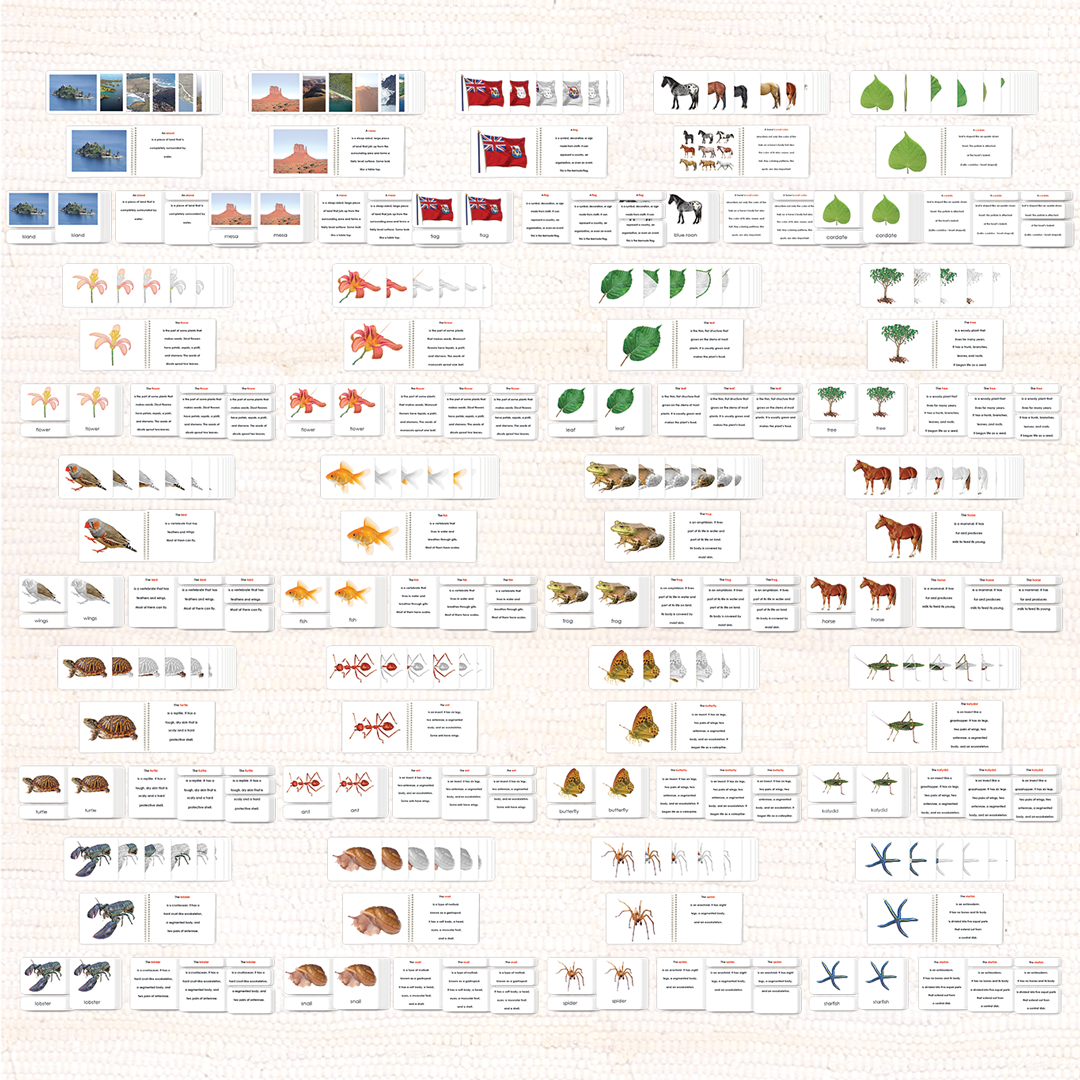
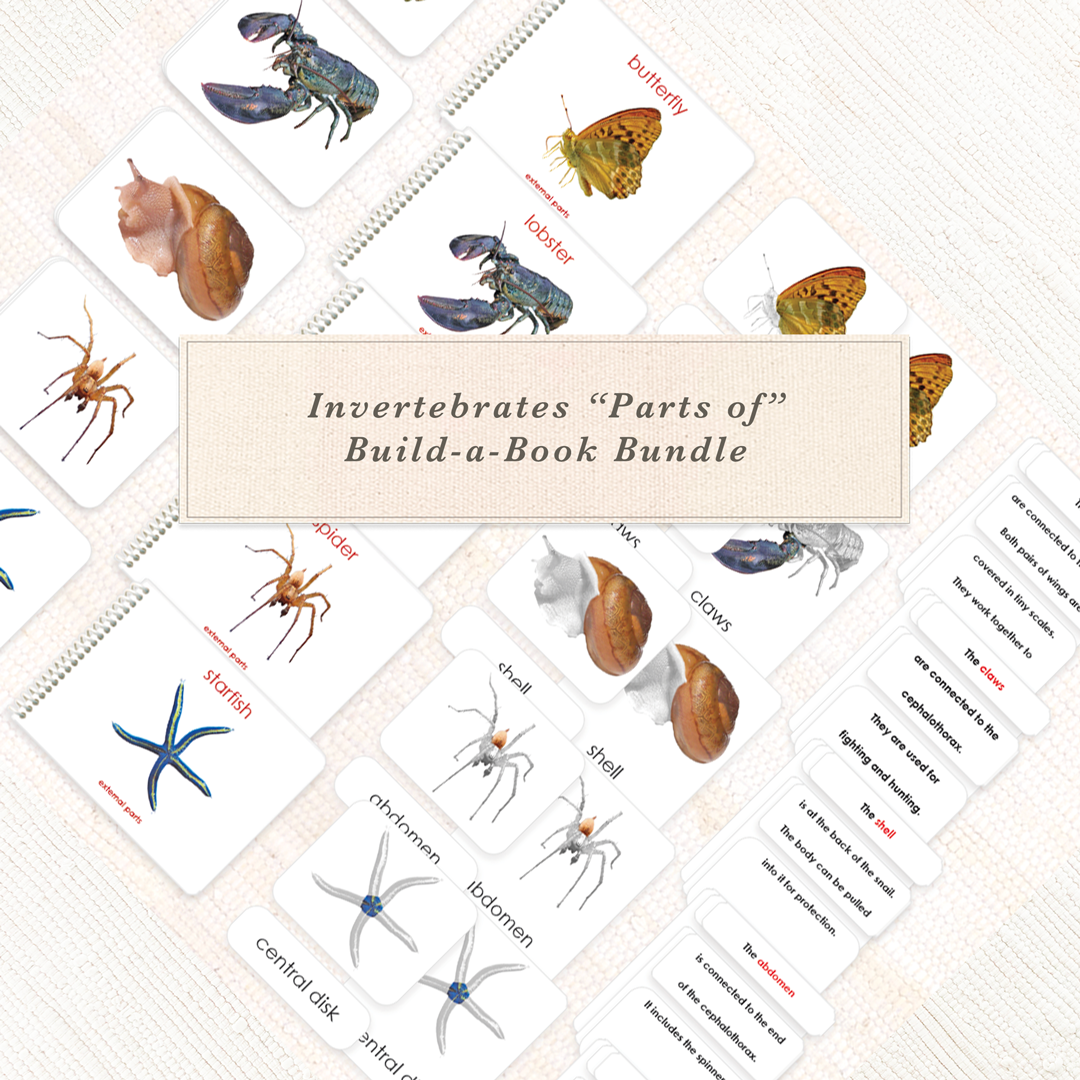
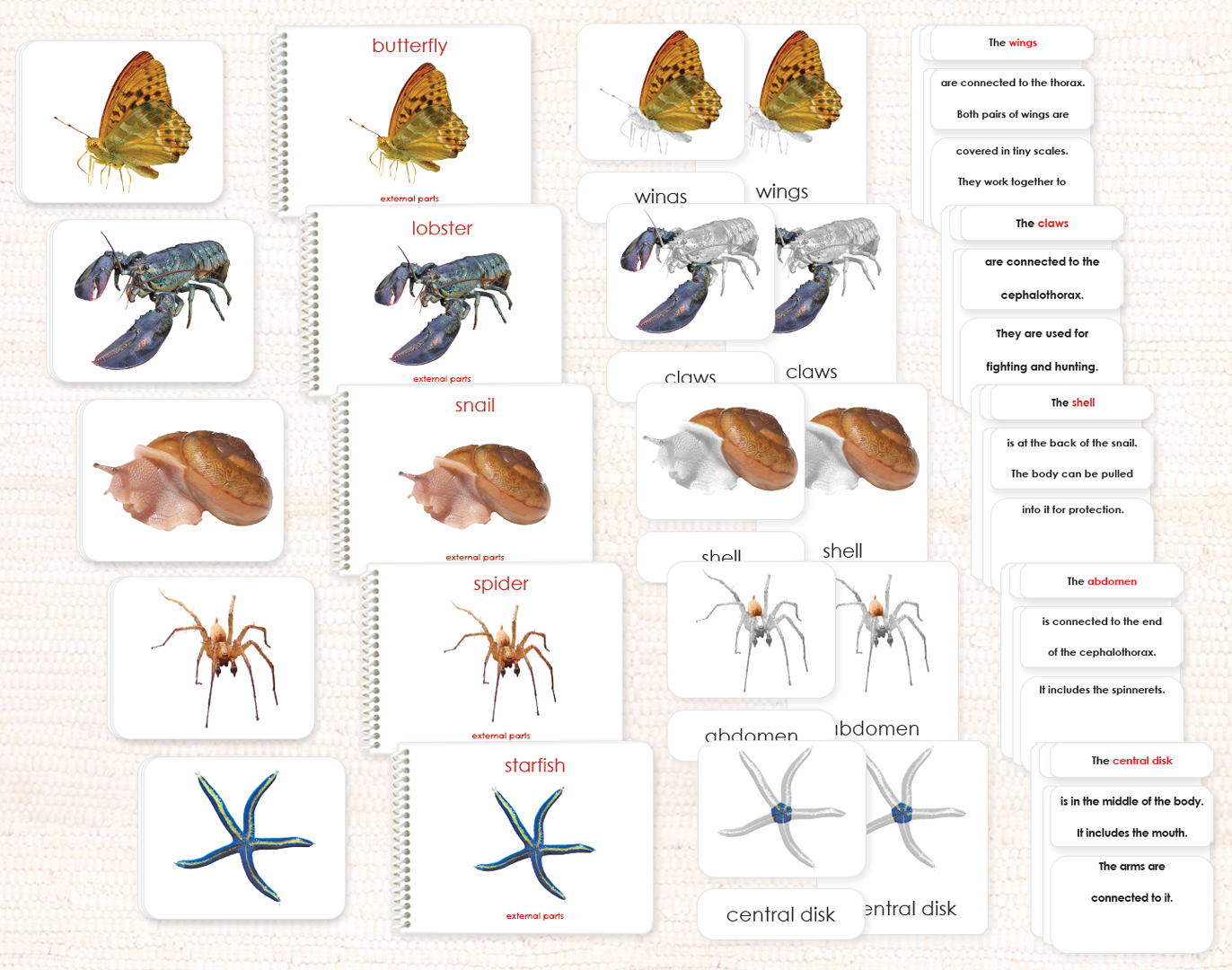
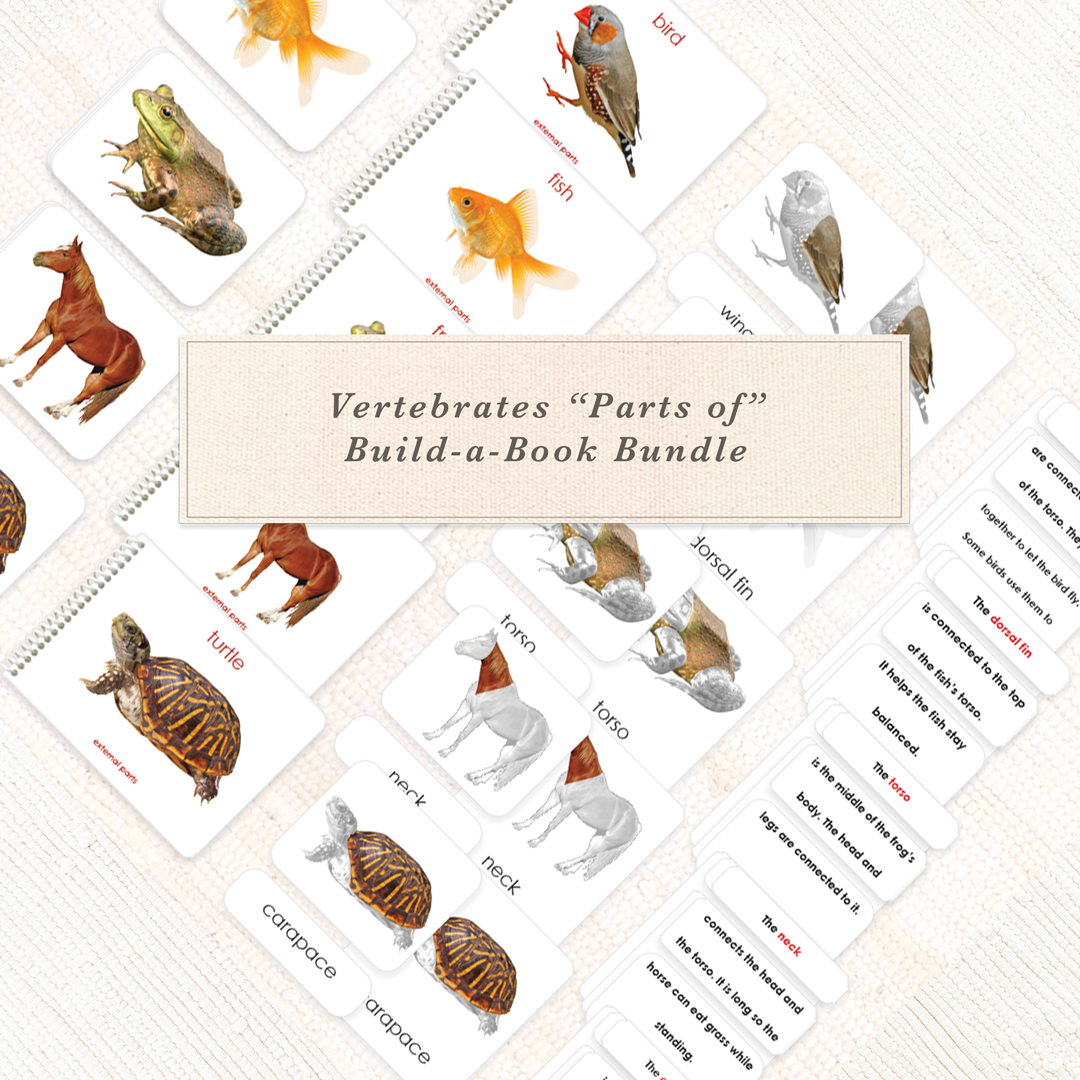
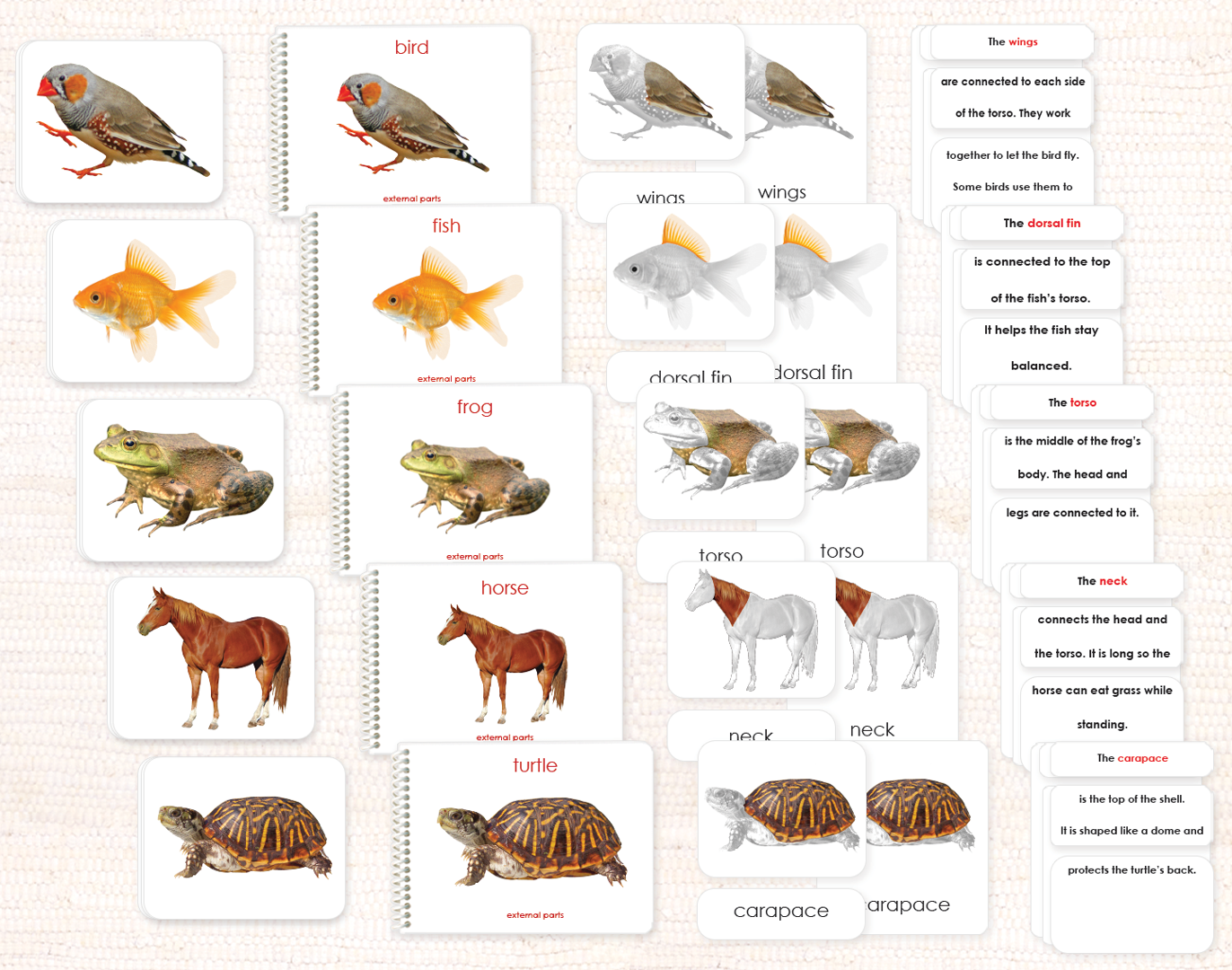
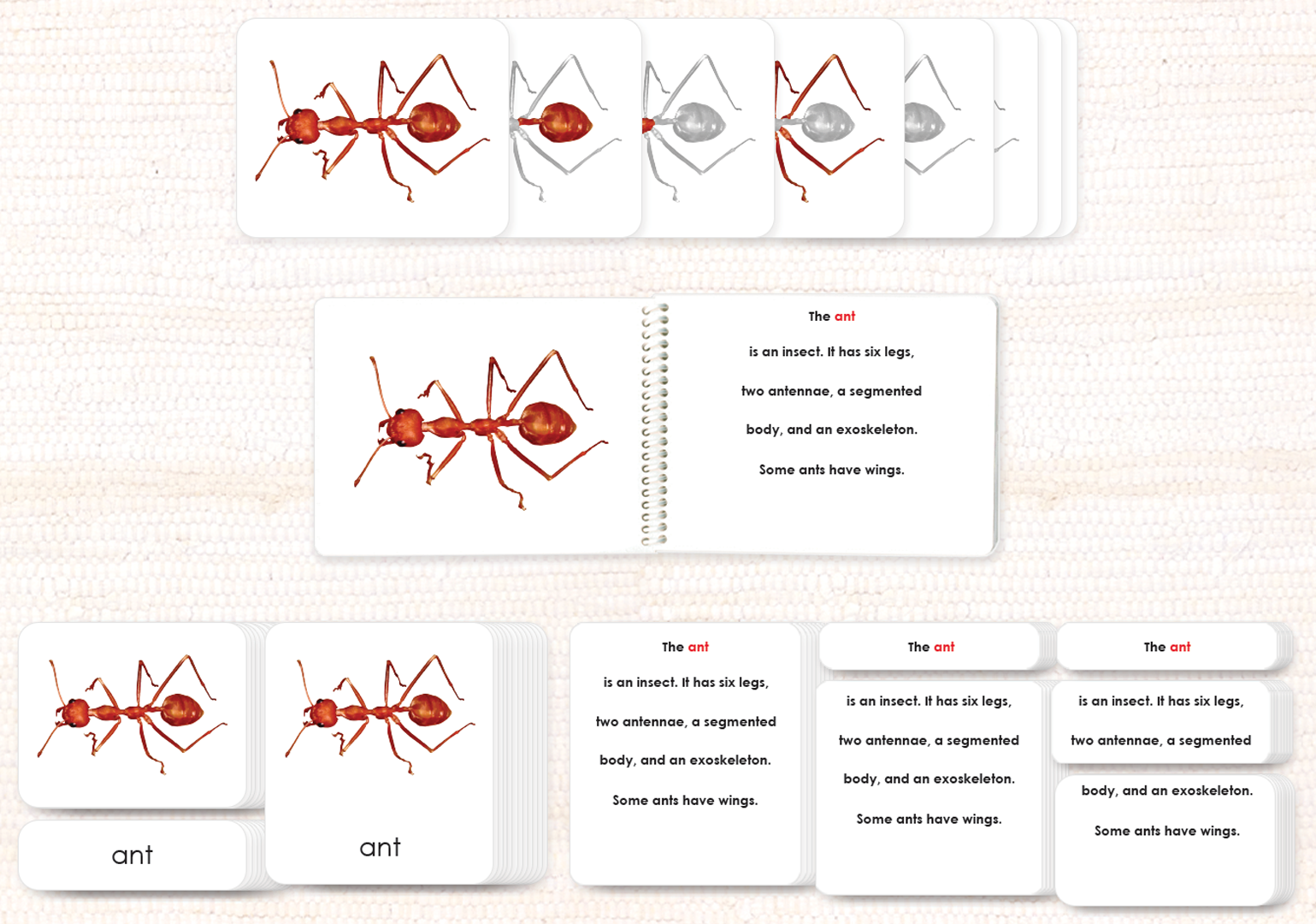
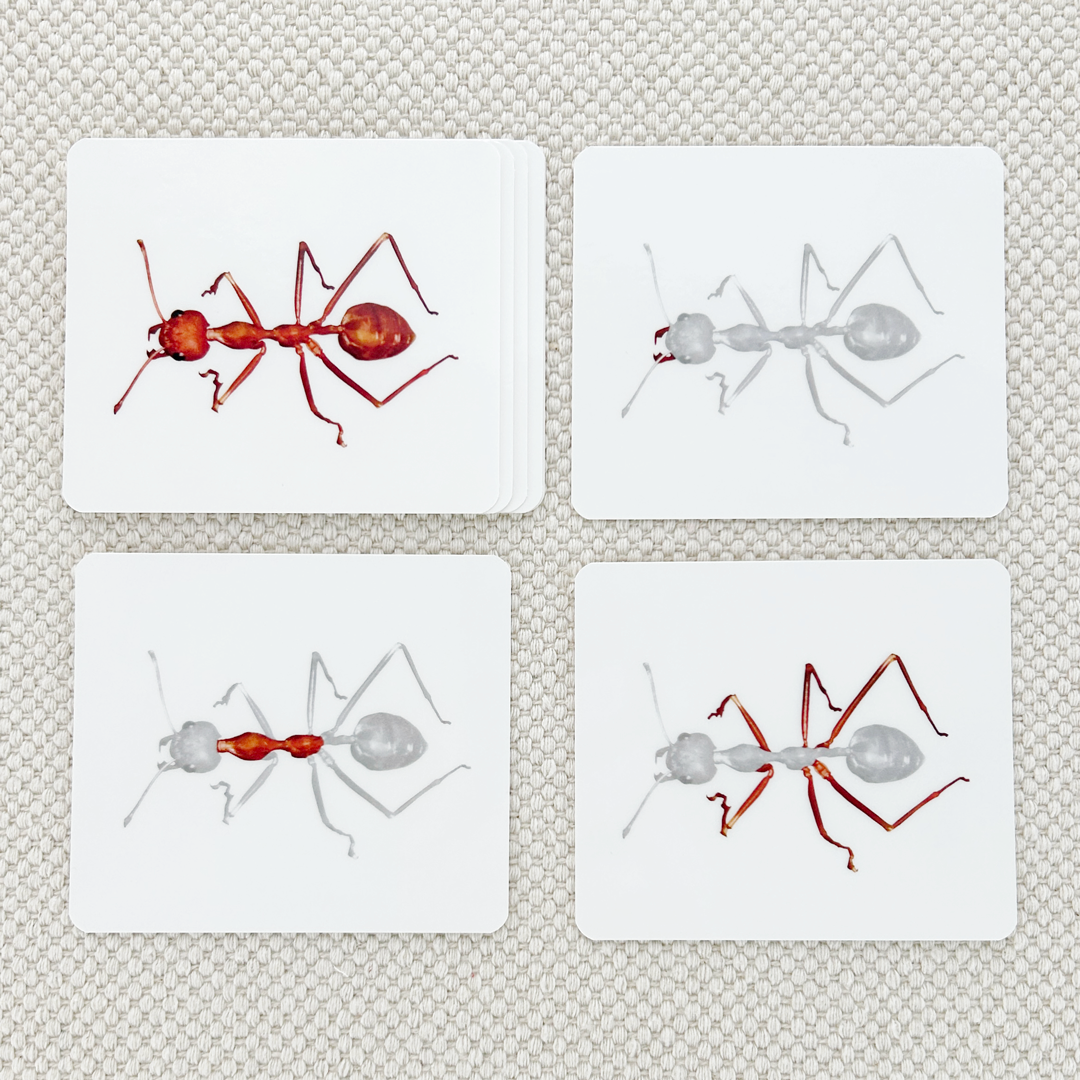
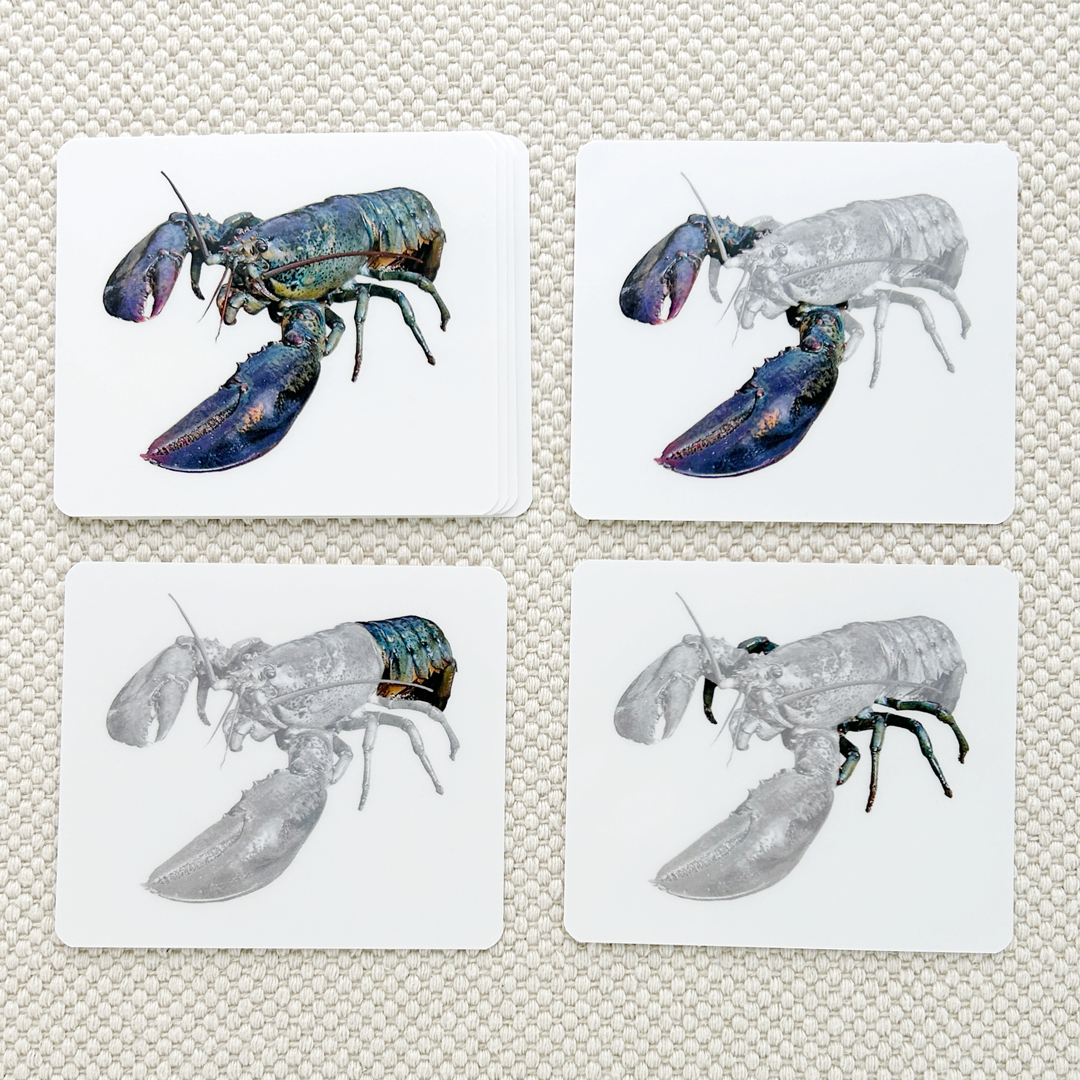
- Book and card sets for "Parts of" animals: ant, bird, butterfly, fish, frog, horse, katydid, lobster, sea star, snail, spider, and turtle
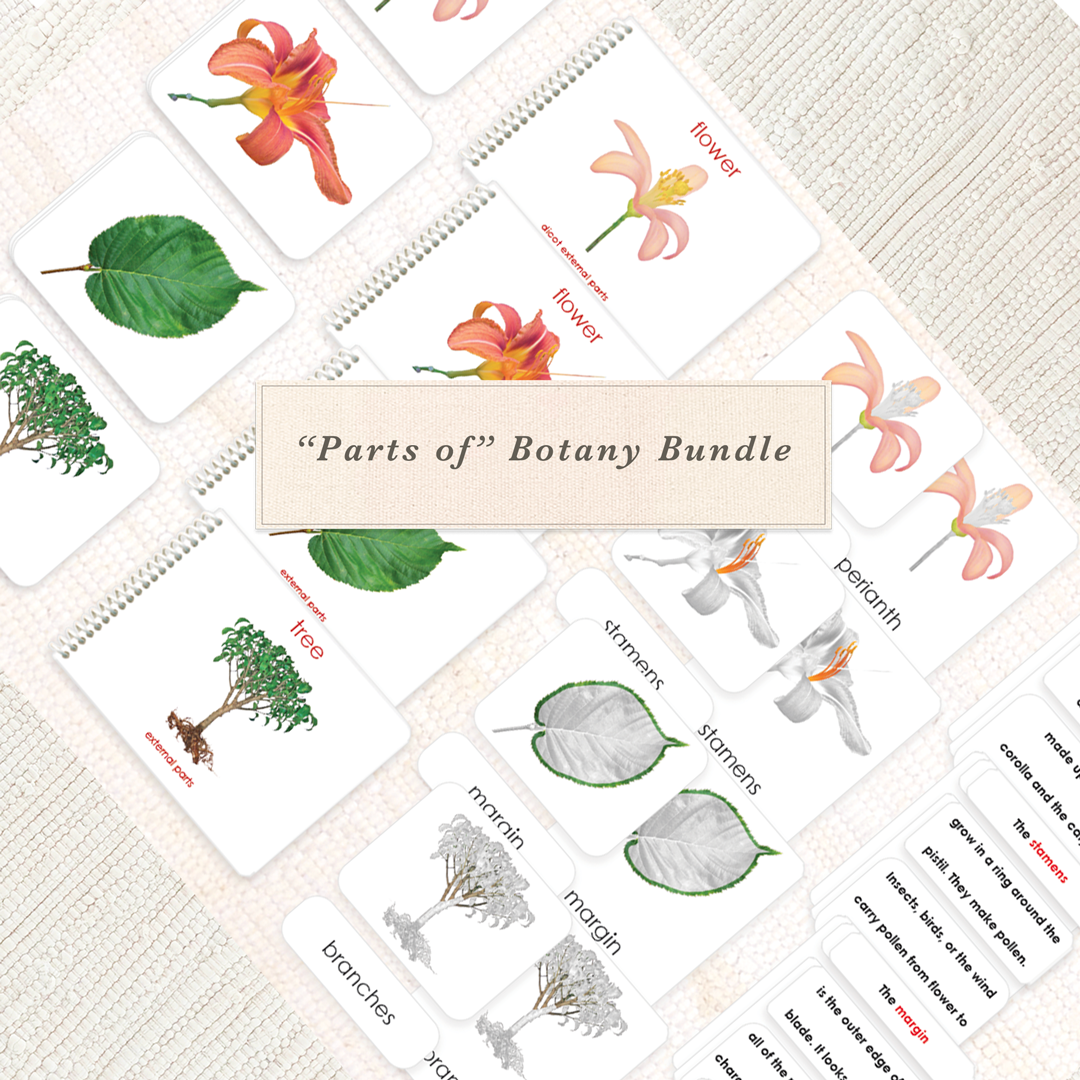
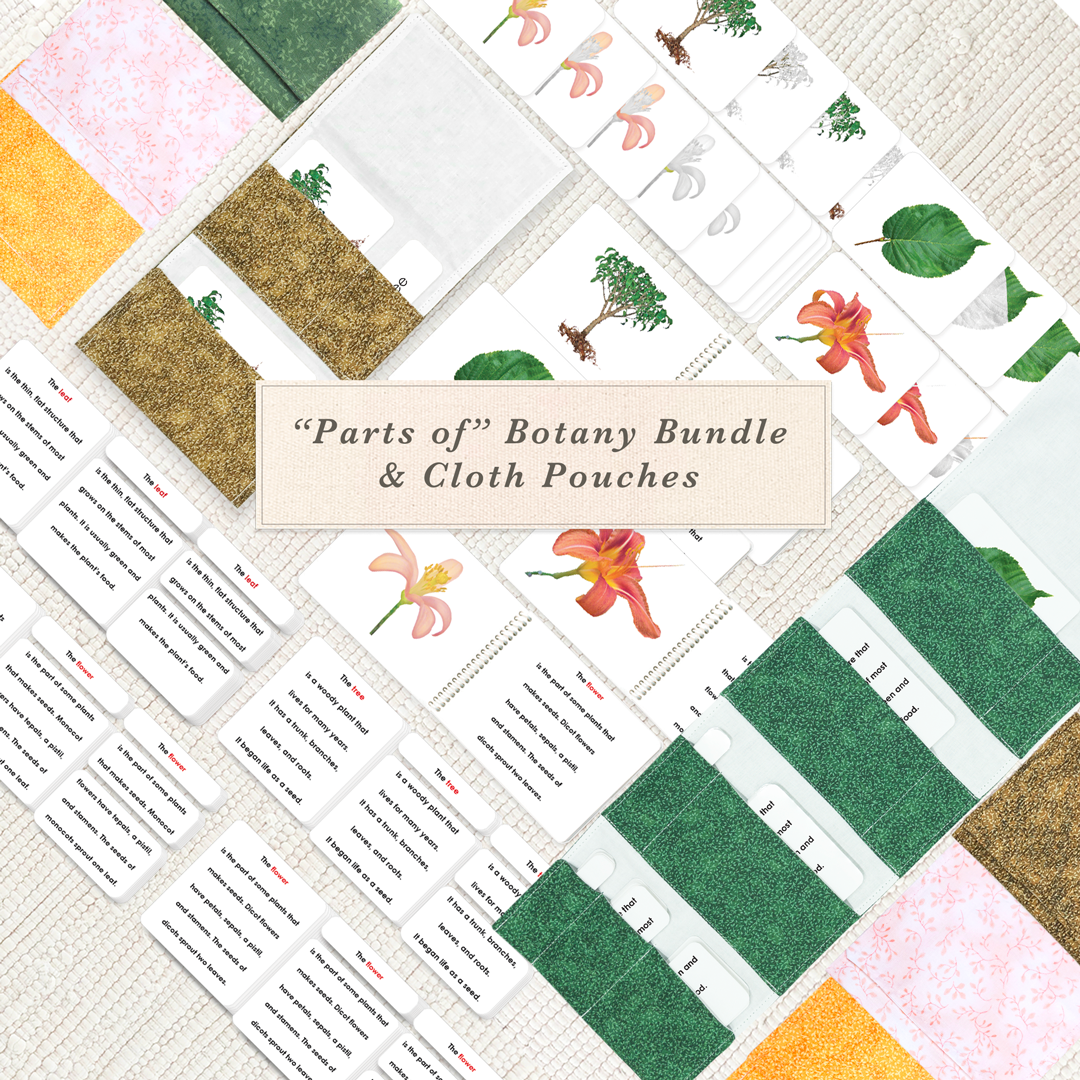
- Book and card sets for botany: parts of the flower (dicot), flower (monocot), leaf, and tree, plus leaf shapes
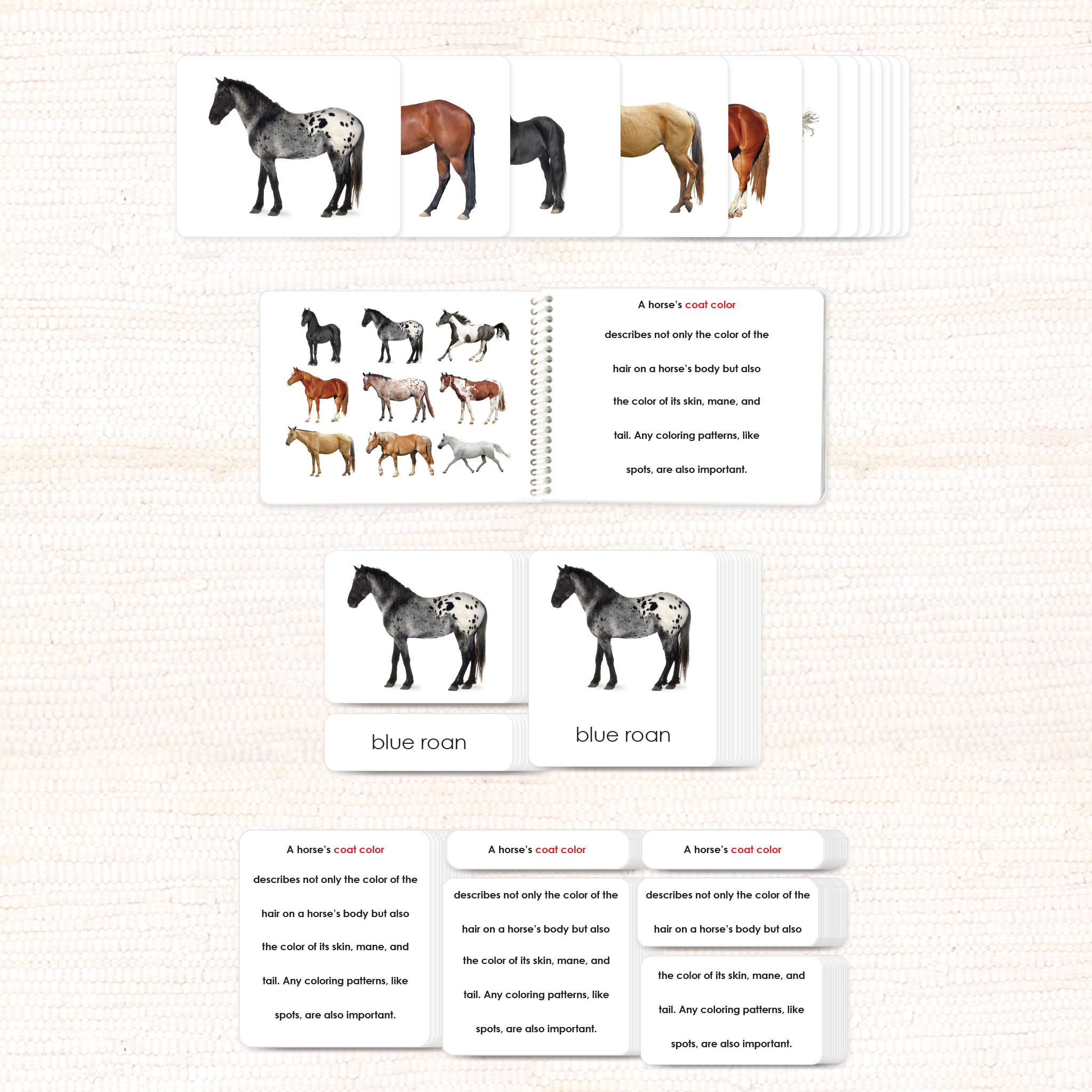
- Book and card sets for geography and more: Land & Water 1, Land & Water 2, parts of the flag, and horse coat colors
- Bundles: Vertebrates, Invertebrates, "Parts of" Botany, Botany Build-a-Book, and the Reading Comprehension Kit
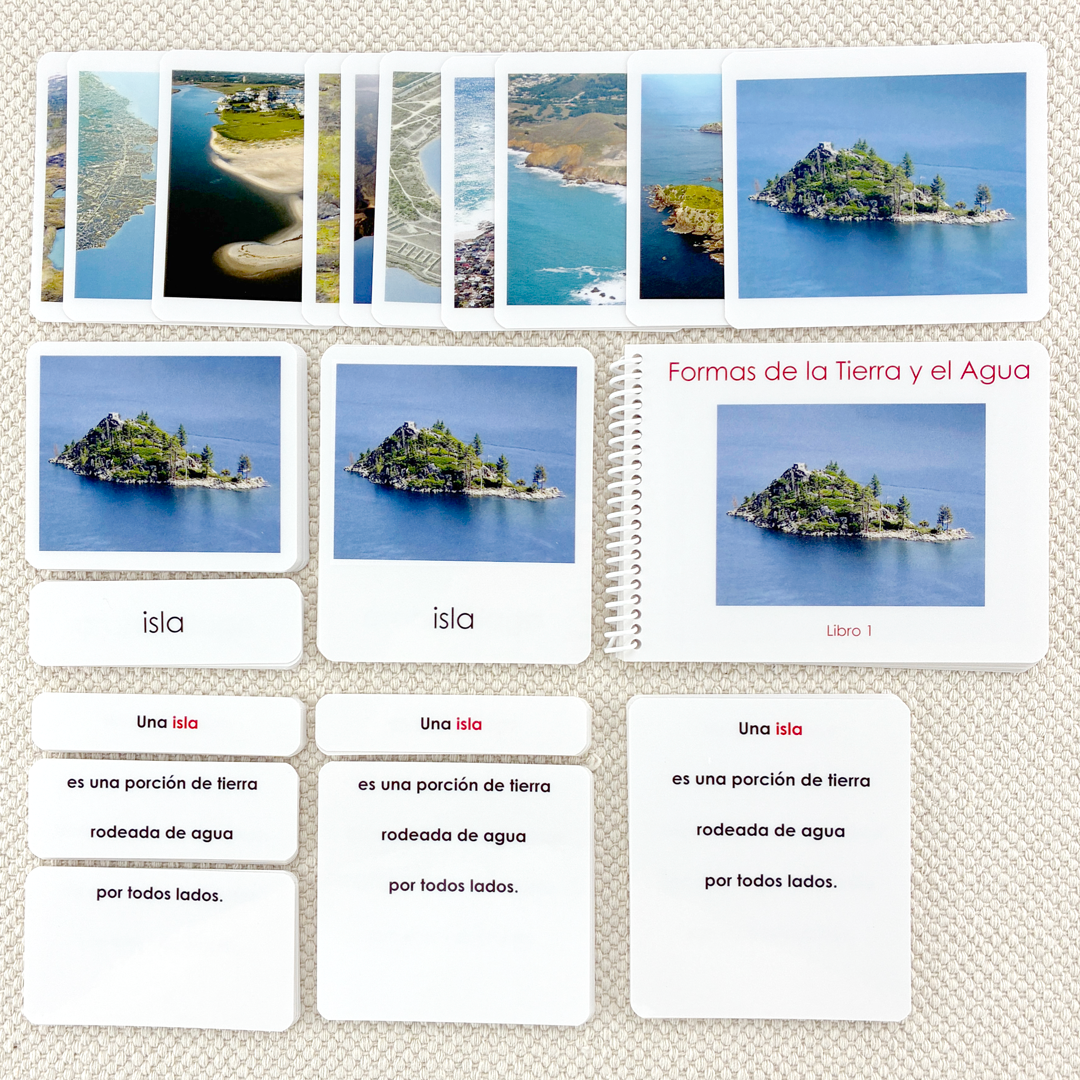
- A Spanish Land & Water 1 set
Why build-a-book matters for reading
Scarborough's (2001) reading rope shows that comprehension depends on several strands working together. Each part of a build-a-book set strengthens a different one. The vocabulary cards build vocabulary knowledge. The 3-Part Cards build word-level recognition. The book builds background knowledge. The definition cards build language structures, because rebuilding a definition from separate cards means reasoning through how the sentence fits together. When students bring all of these to a topic they love, they're ready to read informational text with real understanding.
Reference
Scarborough, H. S. (2001). Connecting early language and literacy to later reading (dis)abilities: Evidence, theory, and practice. In S. B. Neuman & D. K. Dickinson (Eds.), Handbook of early literacy research (pp. 97–110). Guilford Press.
How do you use build-a-book sets?
The work unfolds over time, growing with each student's reading:
- Introduce the vocabulary cards with the three-period lesson.
- Read the book together.
- Introduce the 3-Part Cards once students are reading non-phonetic words.
- Invite students to read the book on their own once they're more fluent.
- Rebuild the book in with the definition cards (in three stages), using the book as the control to check.
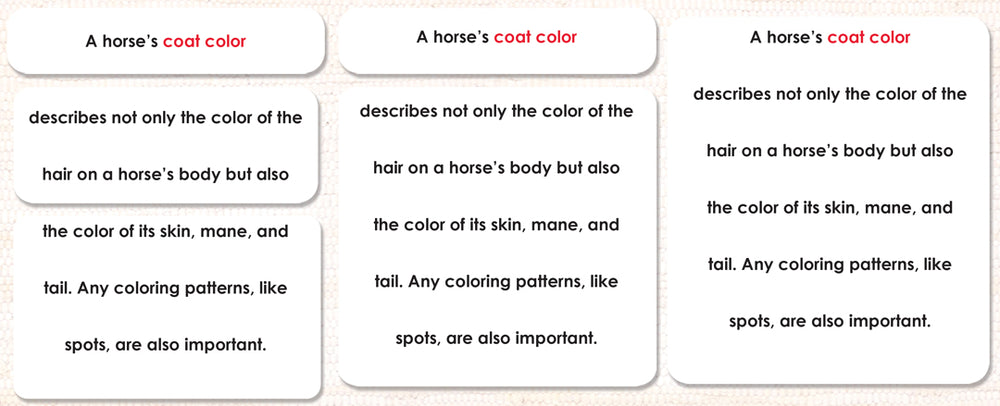
Stage 1: Students match each vocabulary picture to its full definition card.

Stage 2: Students match term cards to full definition cards.

Stage 3: Students rebuild each definition from its first and second halves.

Our free build-a-book lesson plan walks through each step.
Learn how Montessori and the Science of Reading align.
What ages are build-a-book sets for?
Typically PreK–K (ages 4–6) for the vocabulary cards, book, and 3-Part Cards, and K–6 (ages 6–12) for the complete build-a-book activity. Each set is designed to grow with a student's reading fluency.
What's in each book and card set?
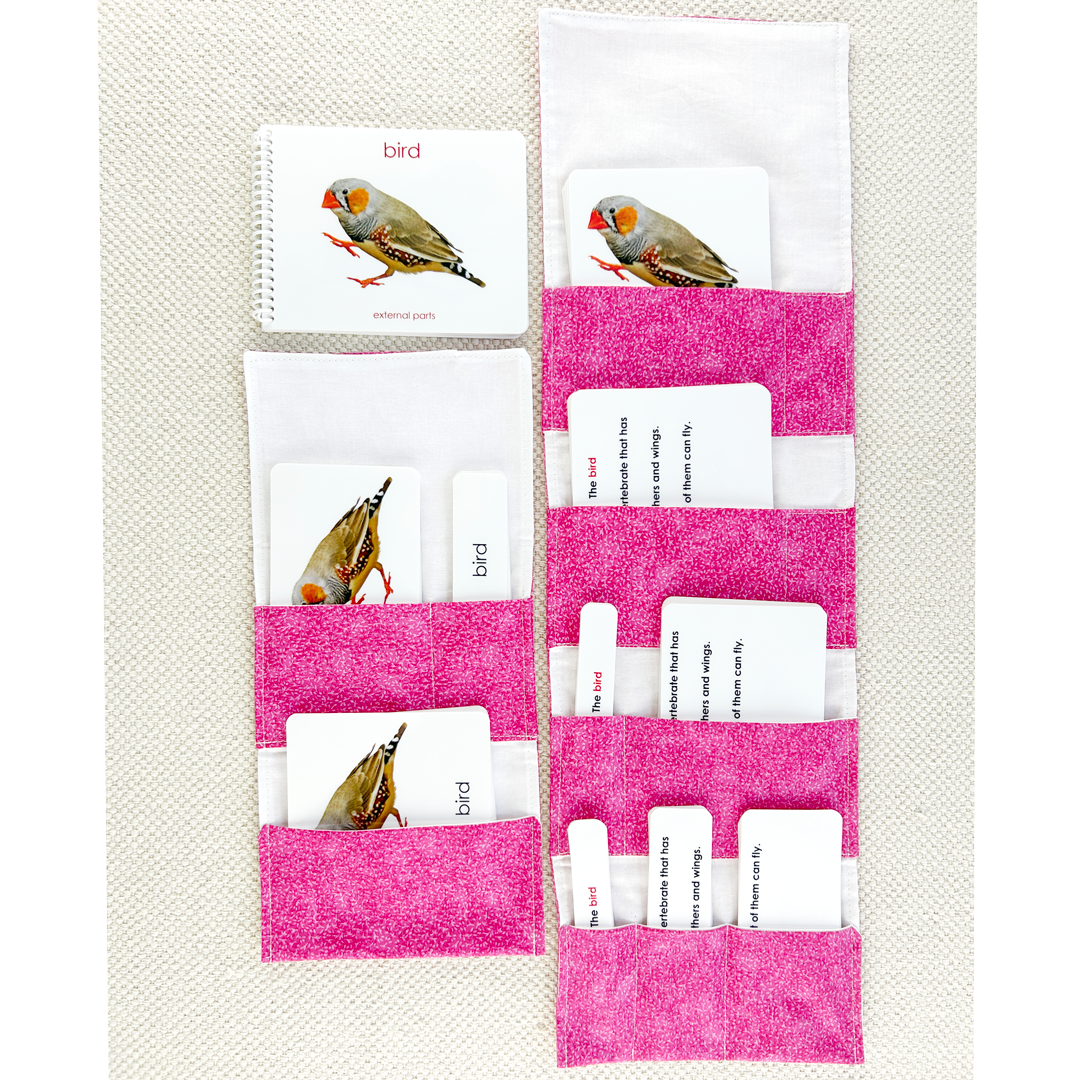
Each set includes vocabulary cards, the definition book, 3-Part Cards, and definition cards for one topic. Everything a student needs to learn the words, read about them, and rebuild the book.
Should I choose a single set or a bundle?
A single set is a good way to start with a topic your students already love. The bundles group related sets, such as vertebrates, invertebrates, or botany, for classrooms that want a full study area on the shelf.
Download a PDF of our materials

Follow Us