Reading Fluency

























More Information:
Reading Fluency
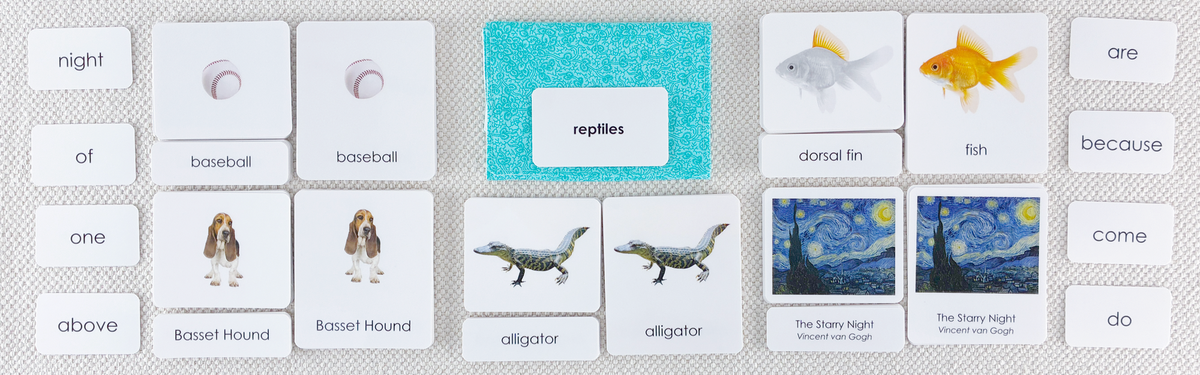
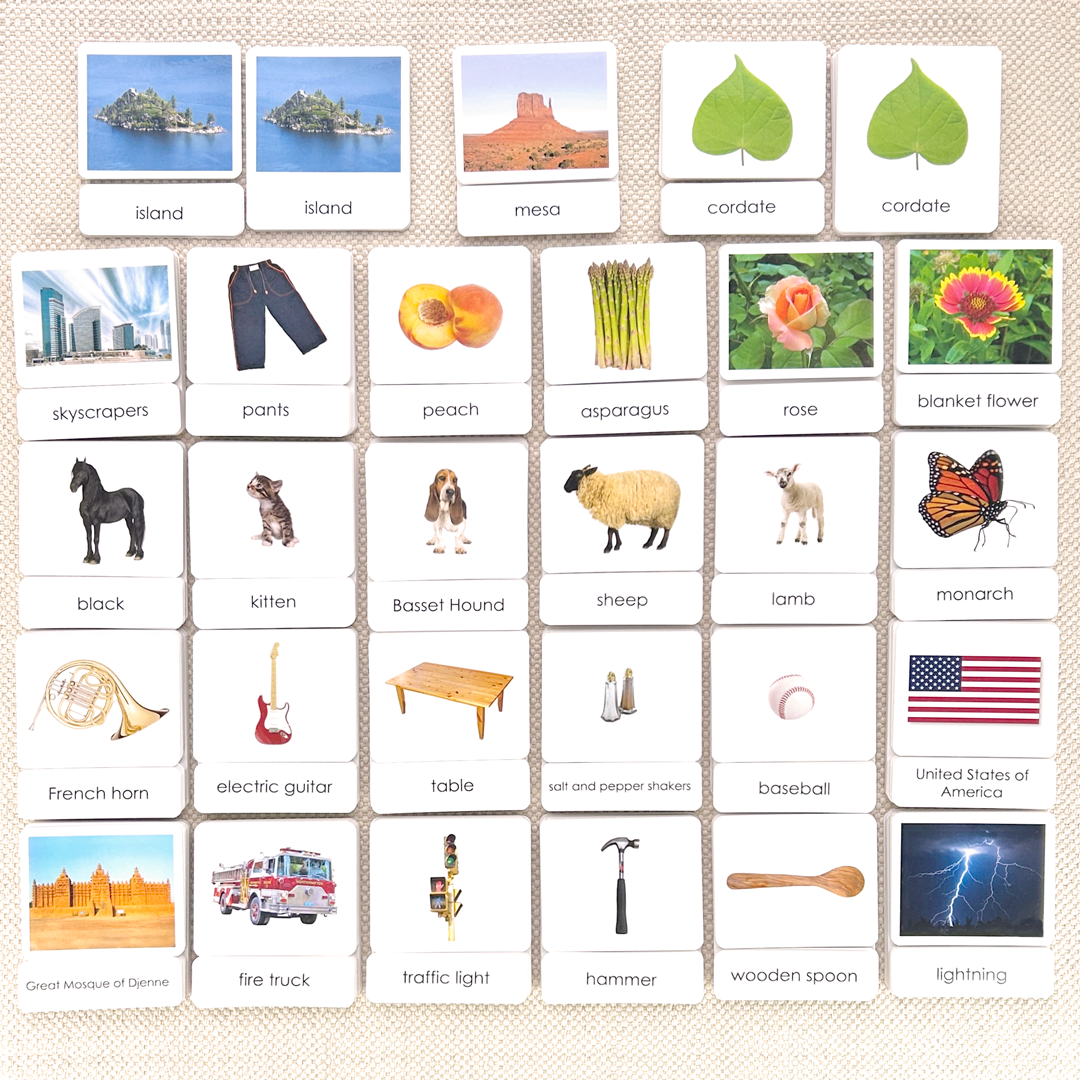
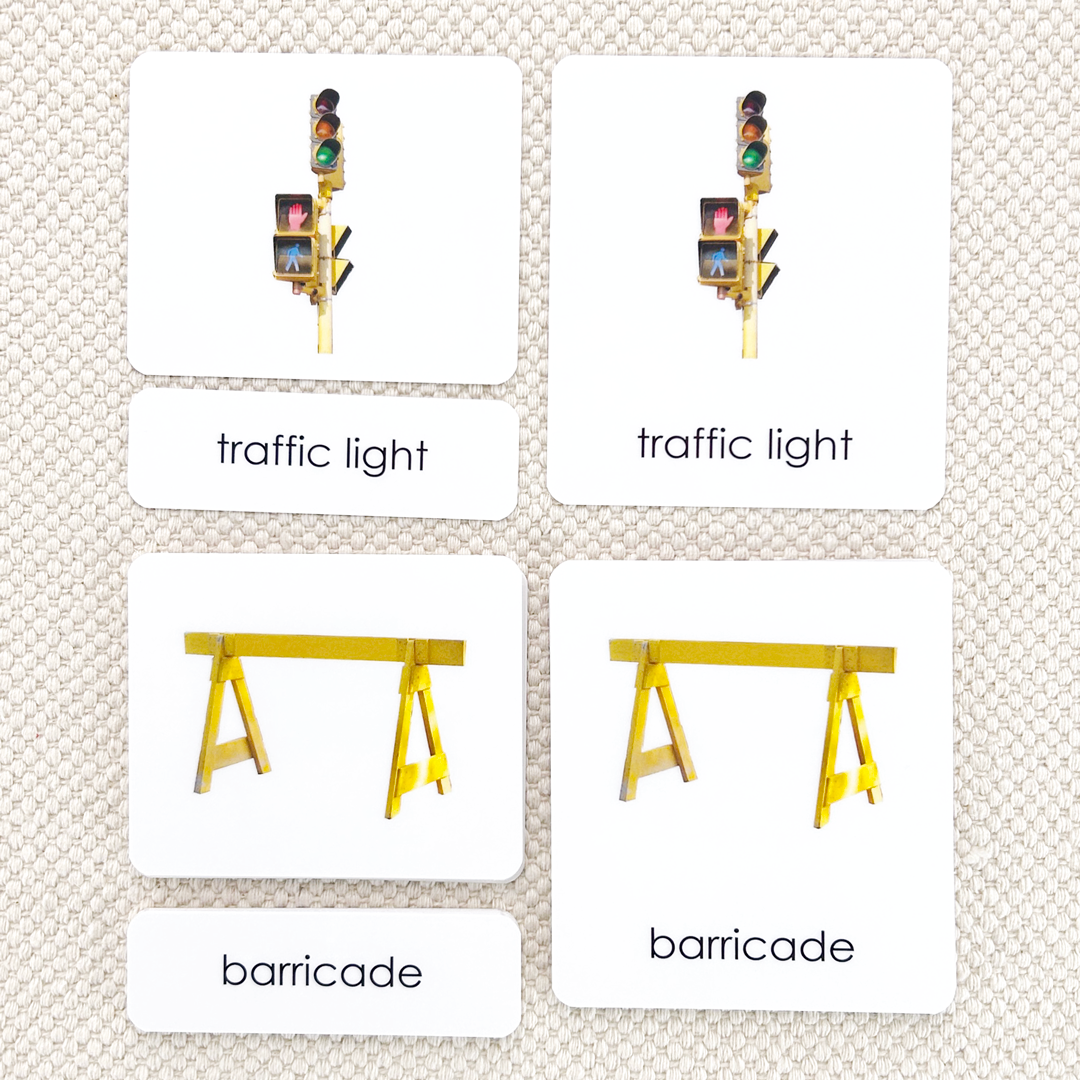
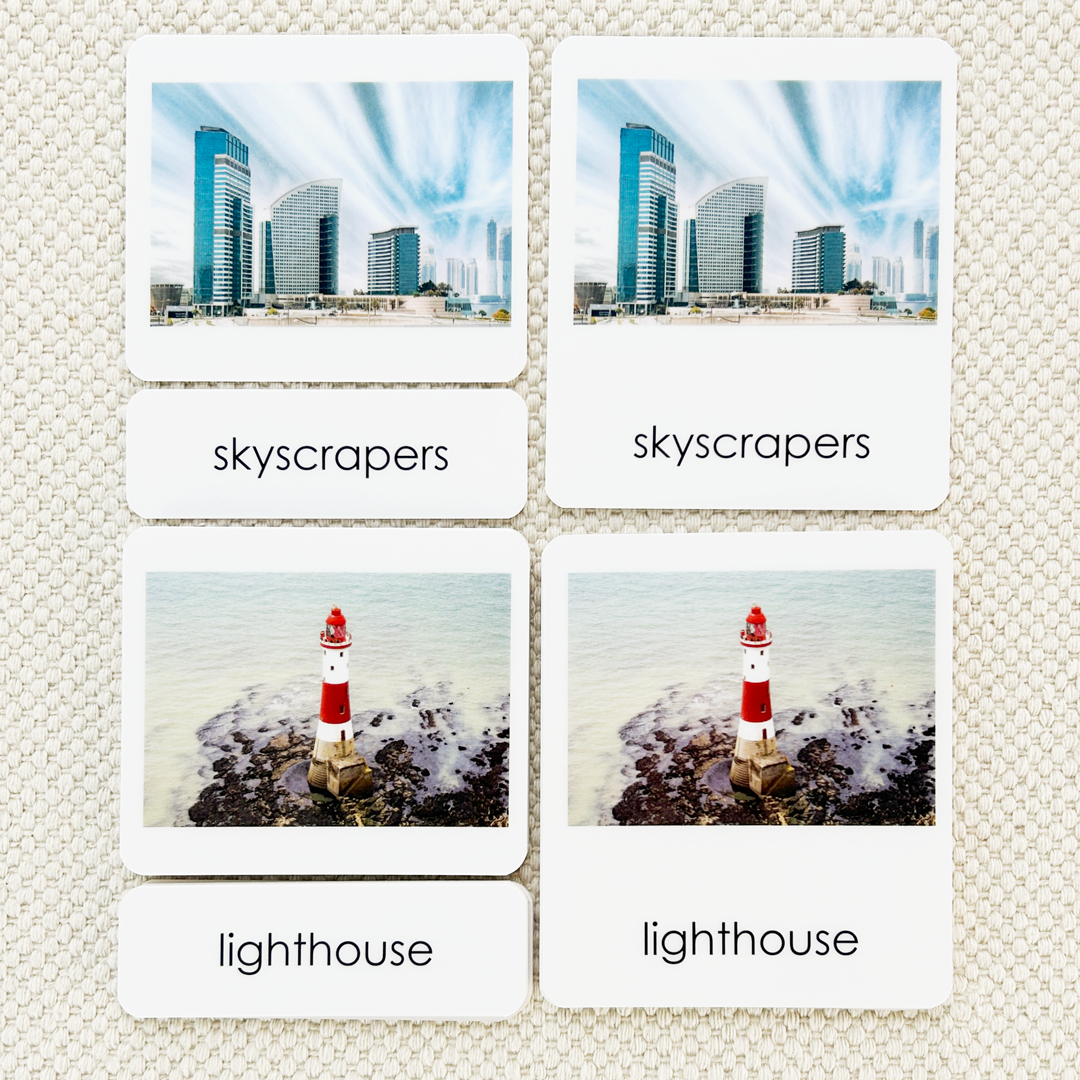
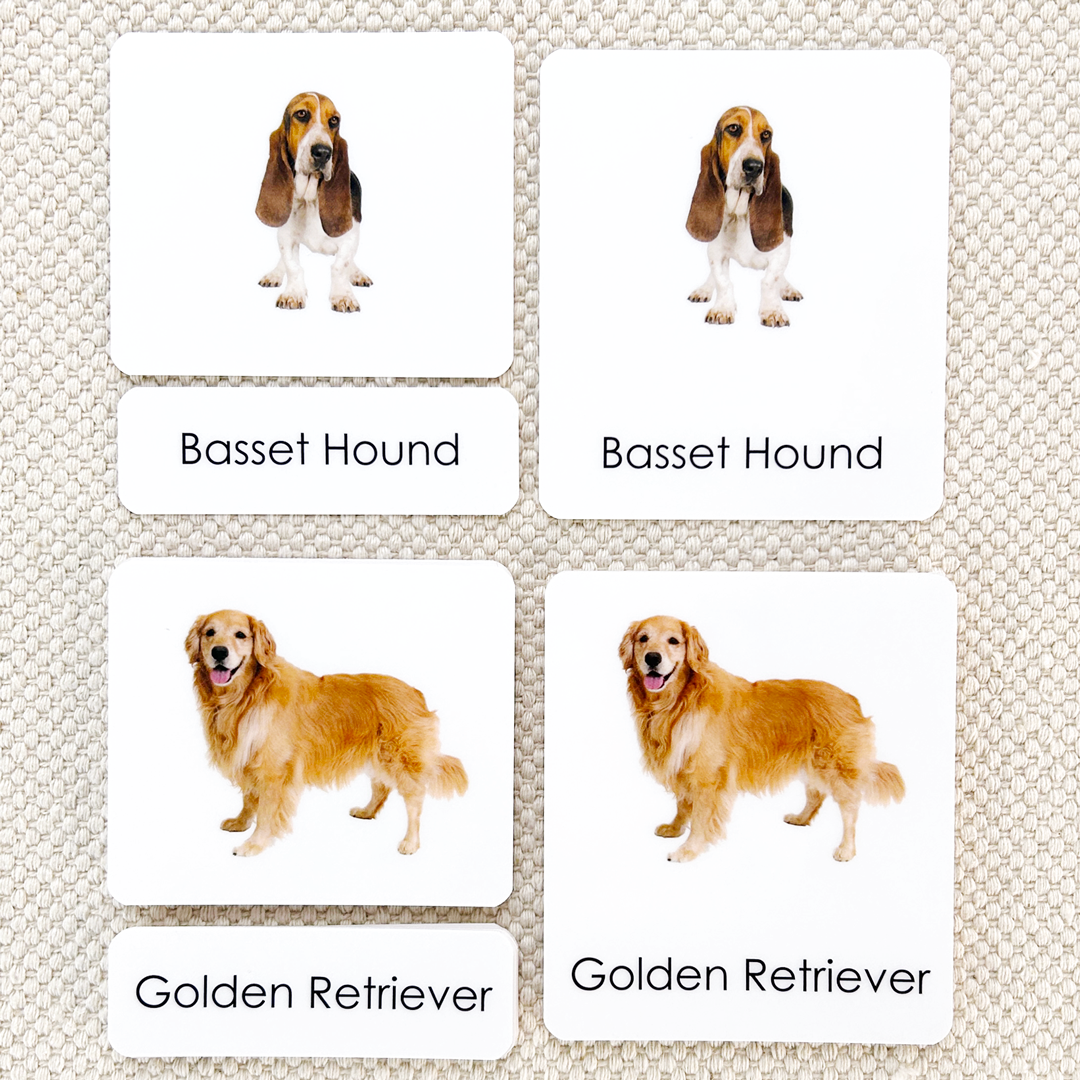
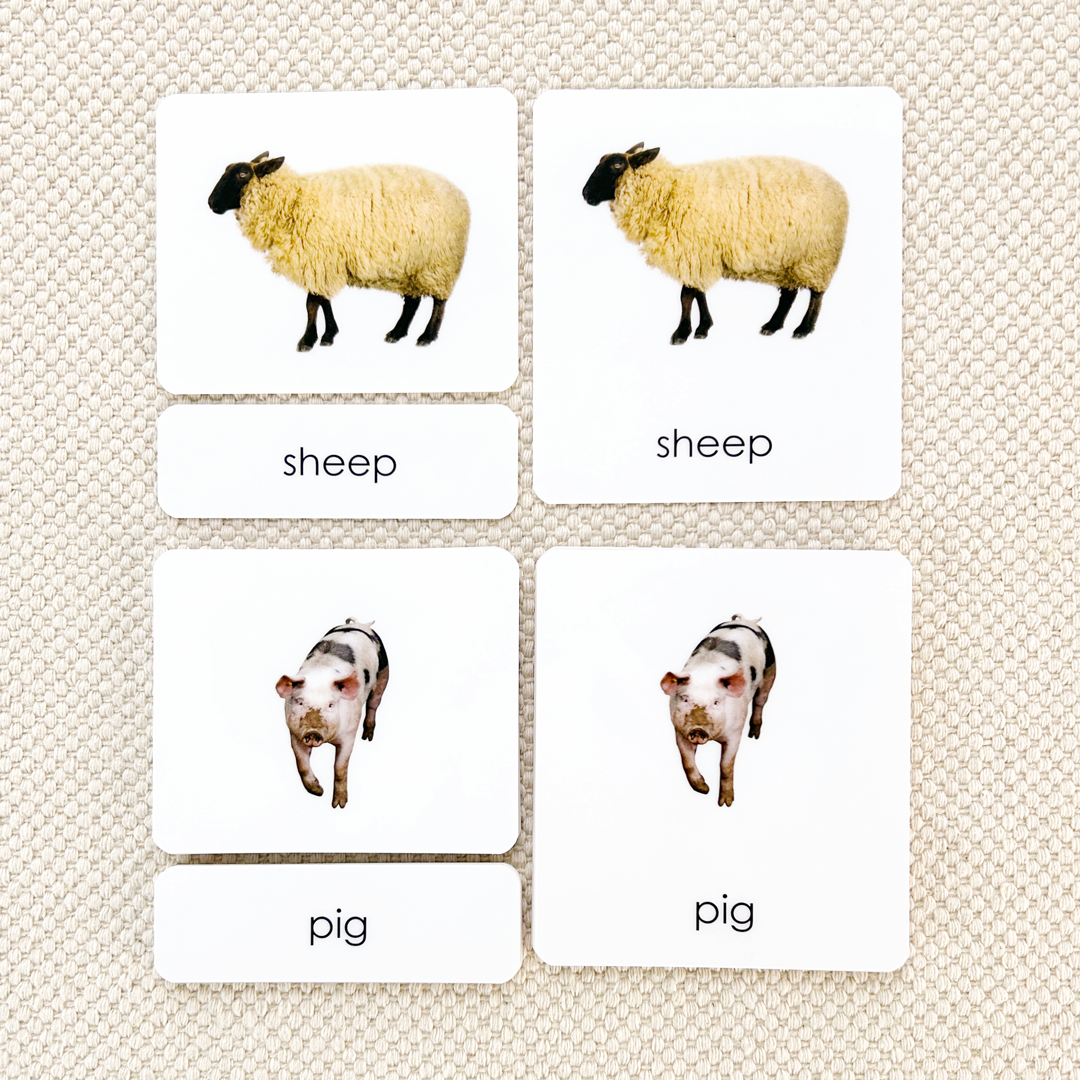
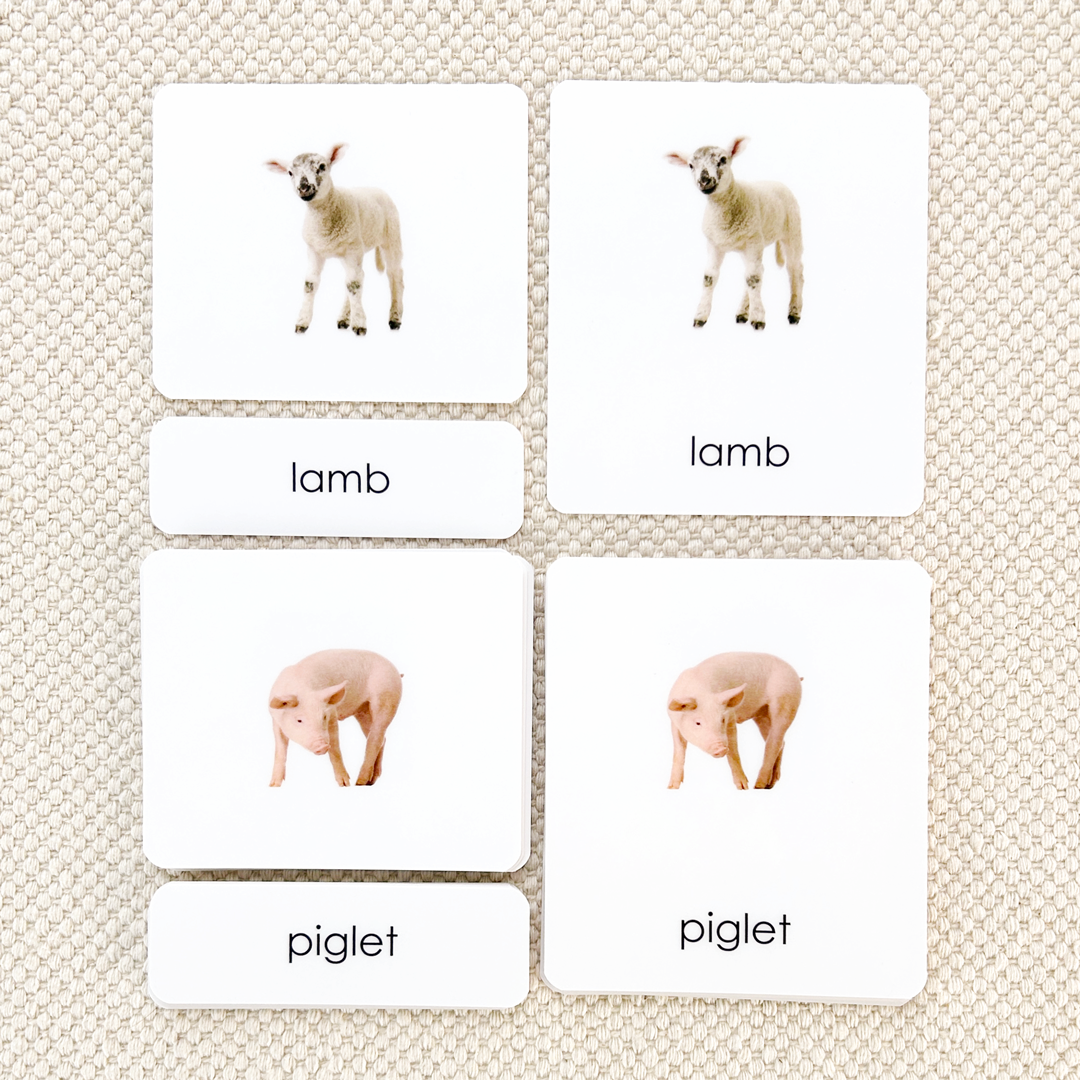
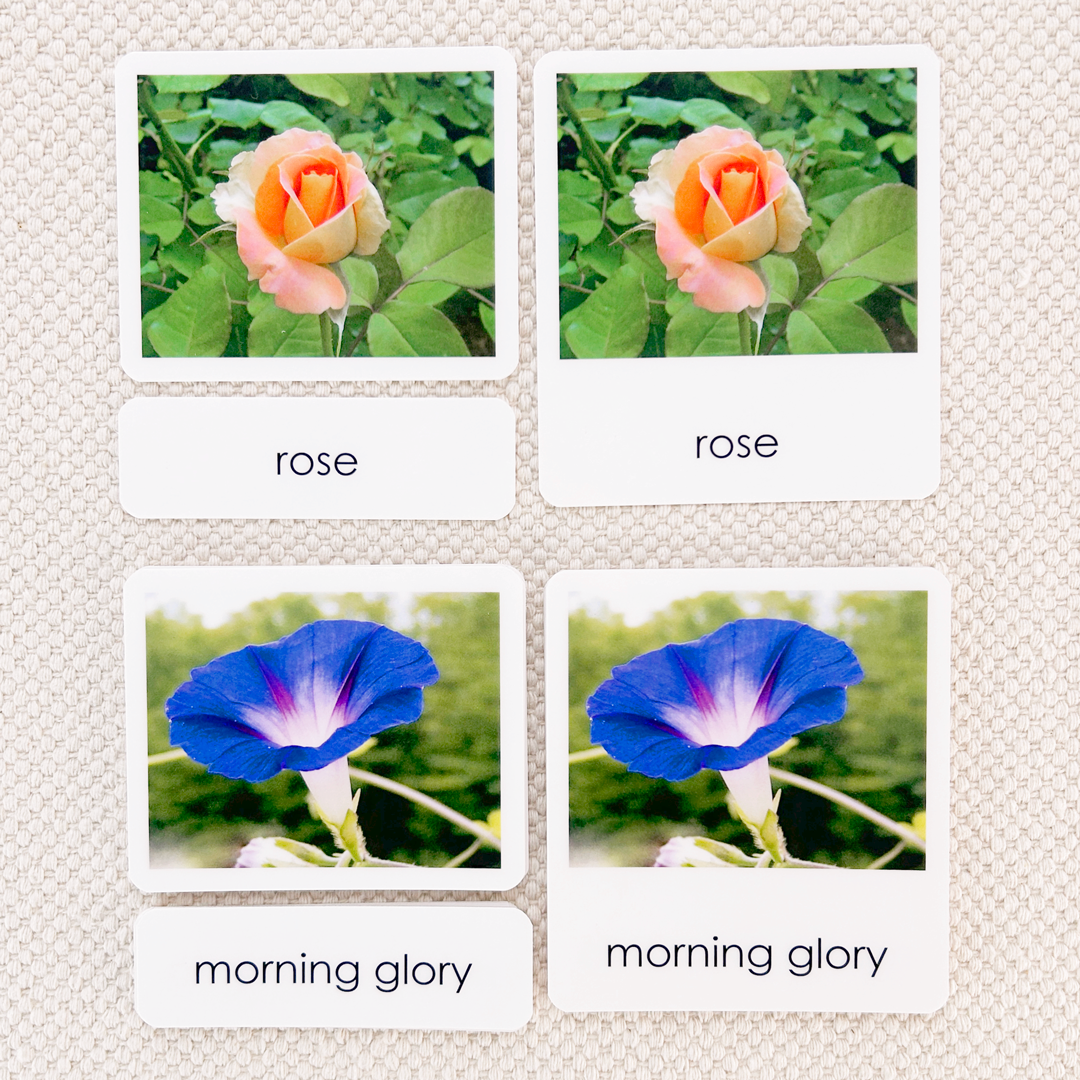
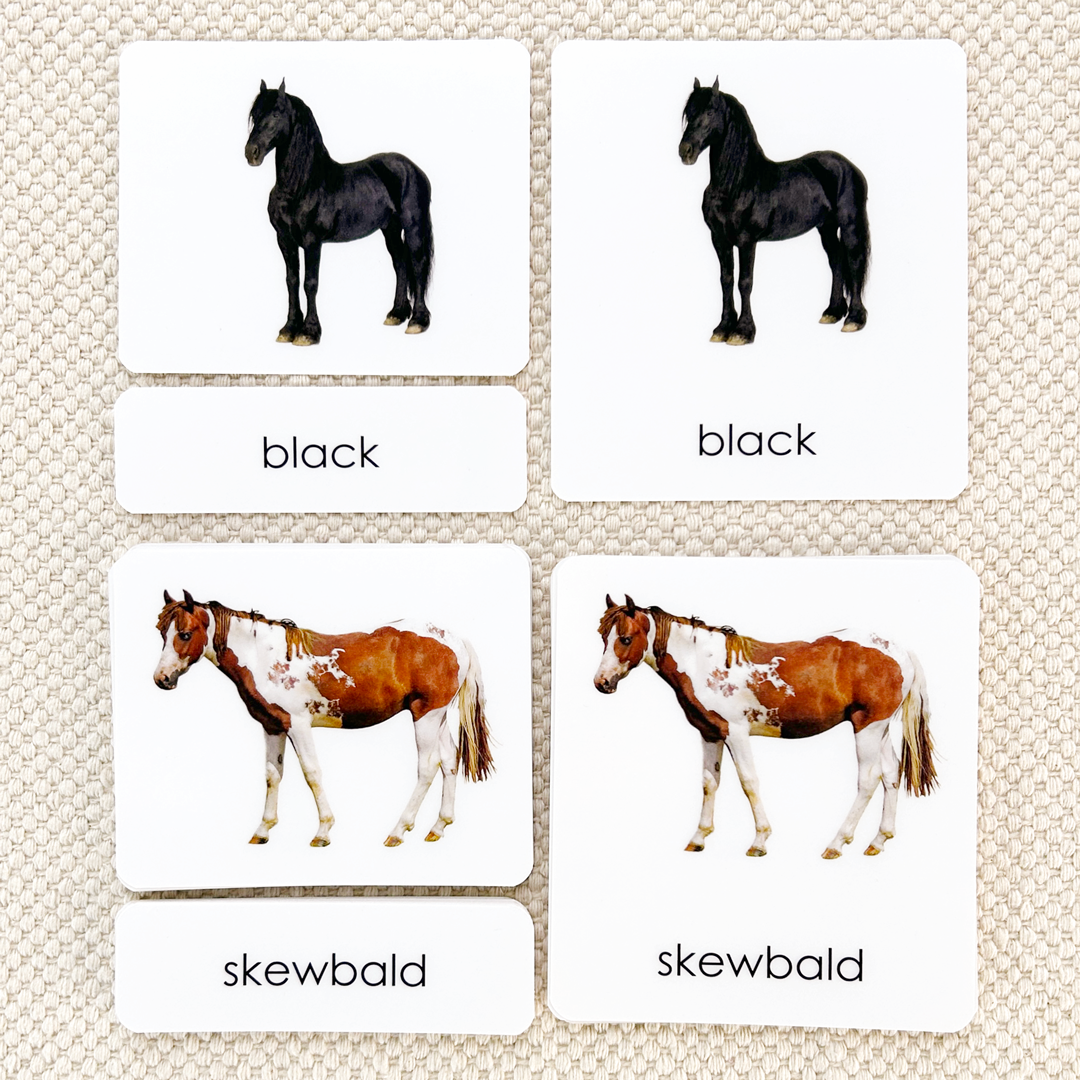
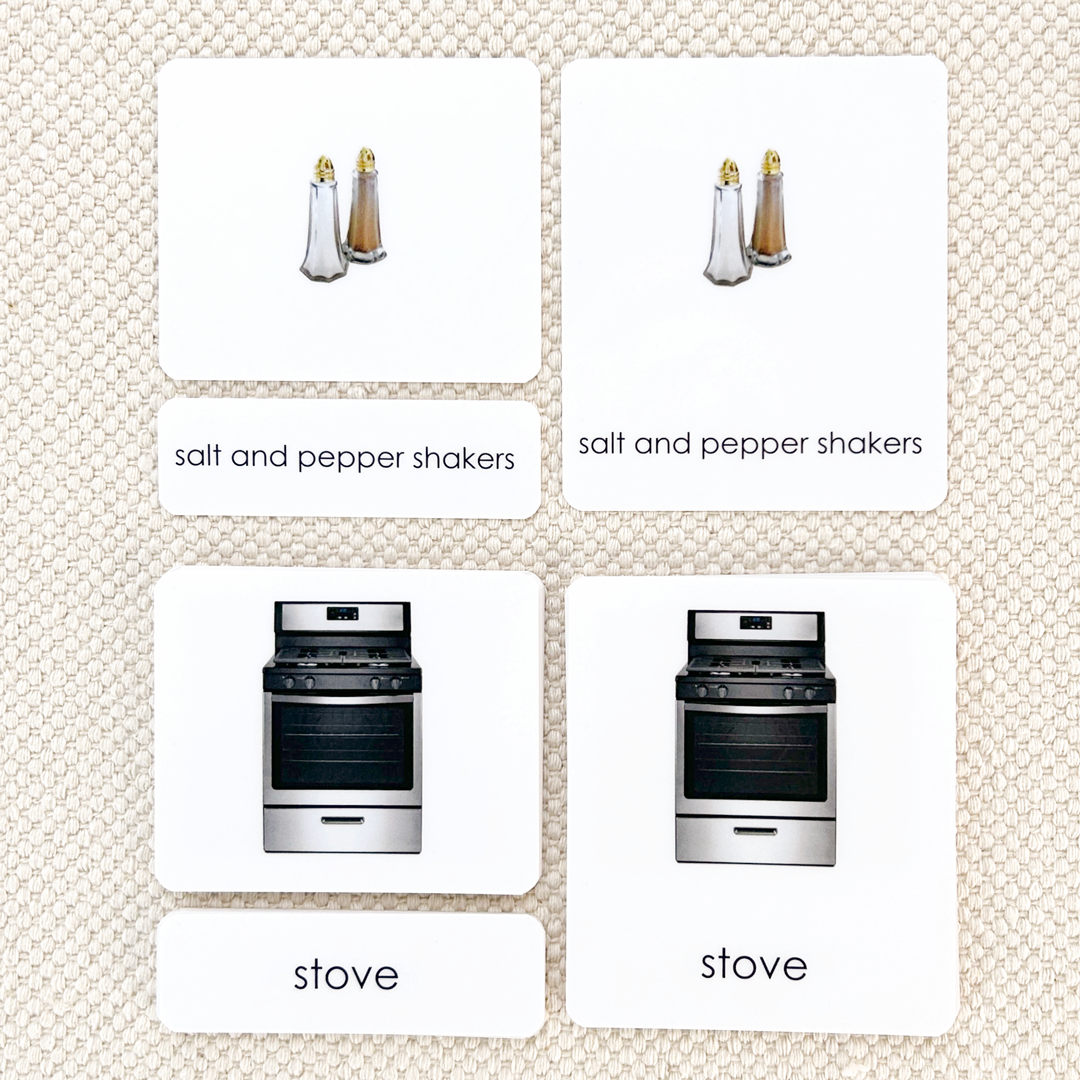
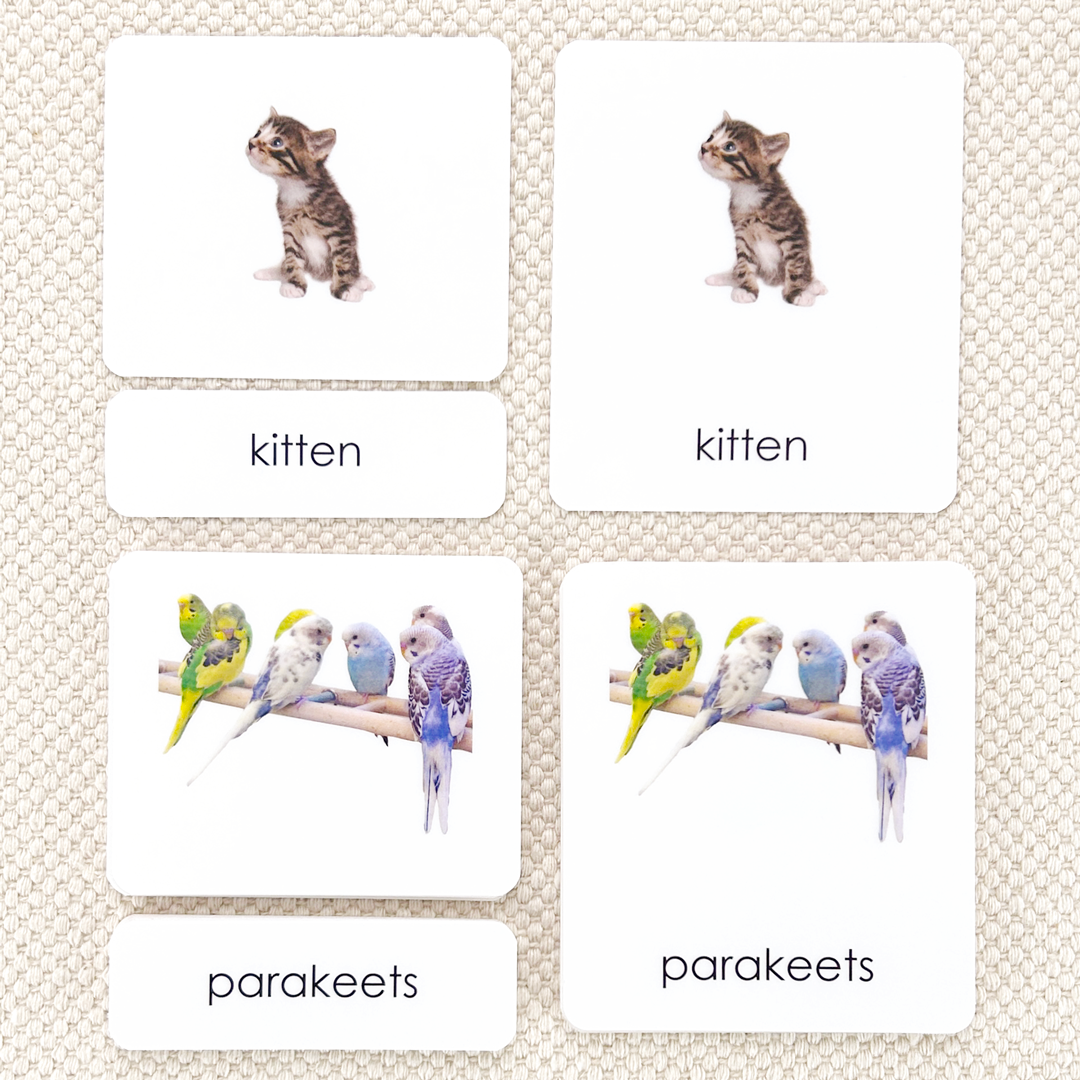
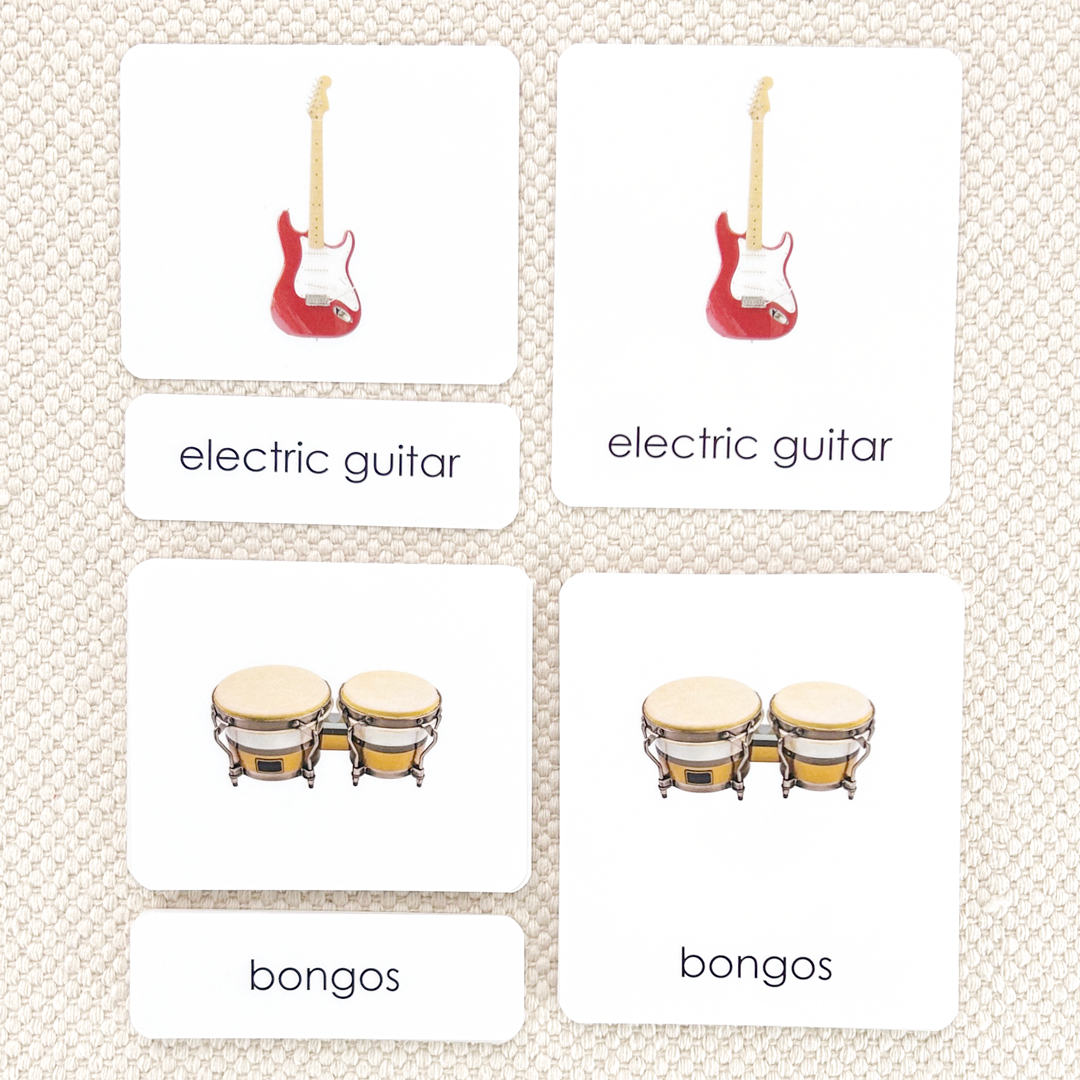
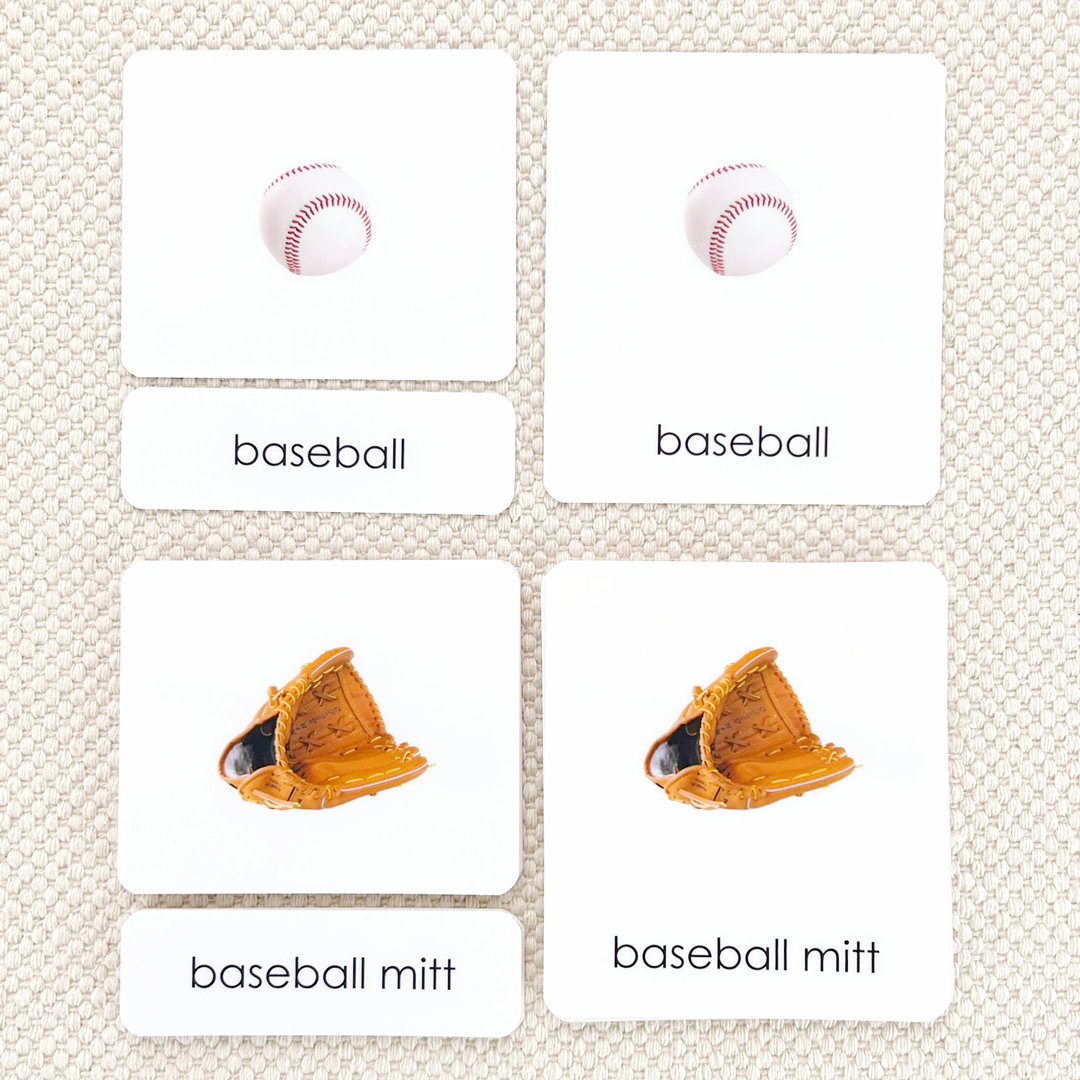
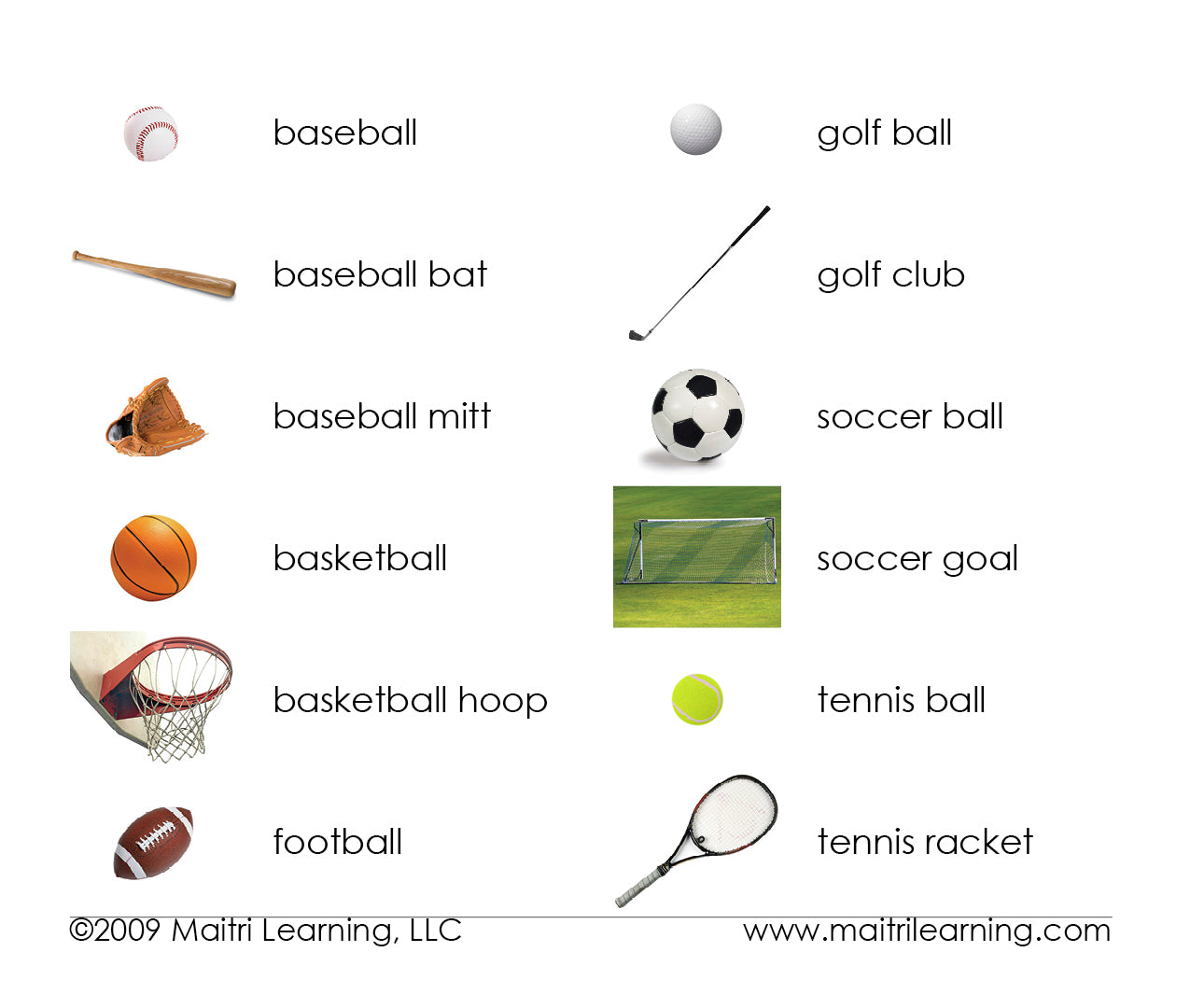
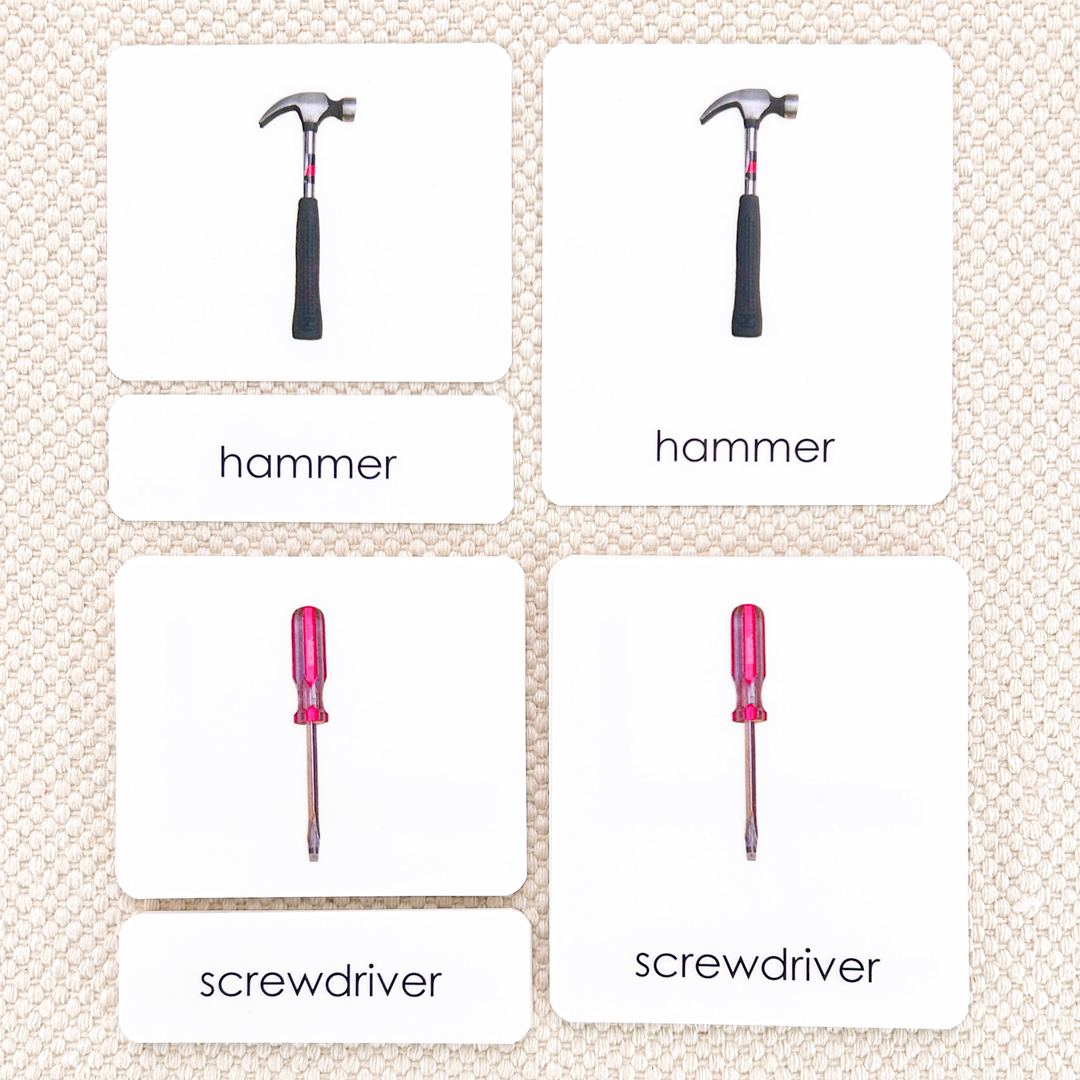
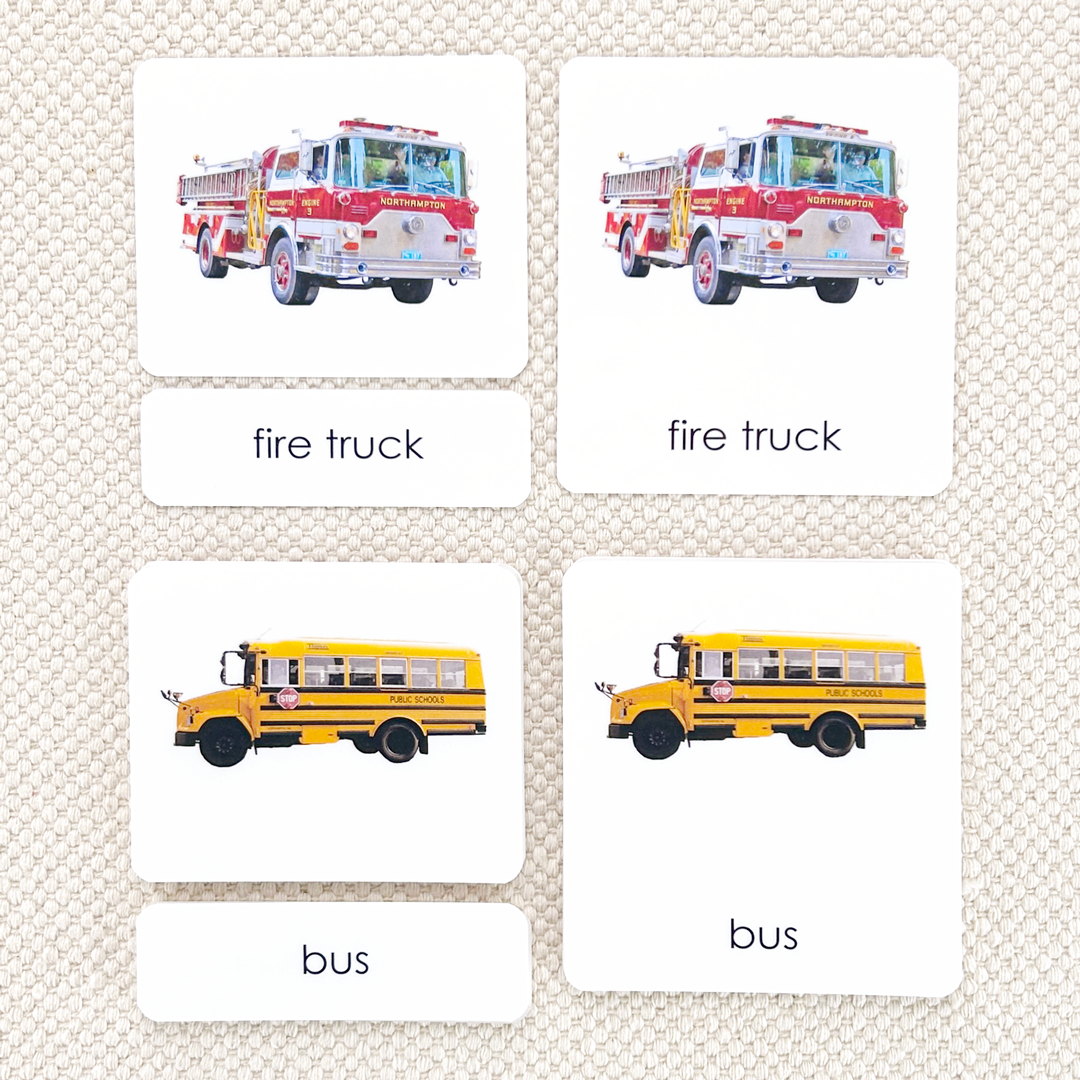
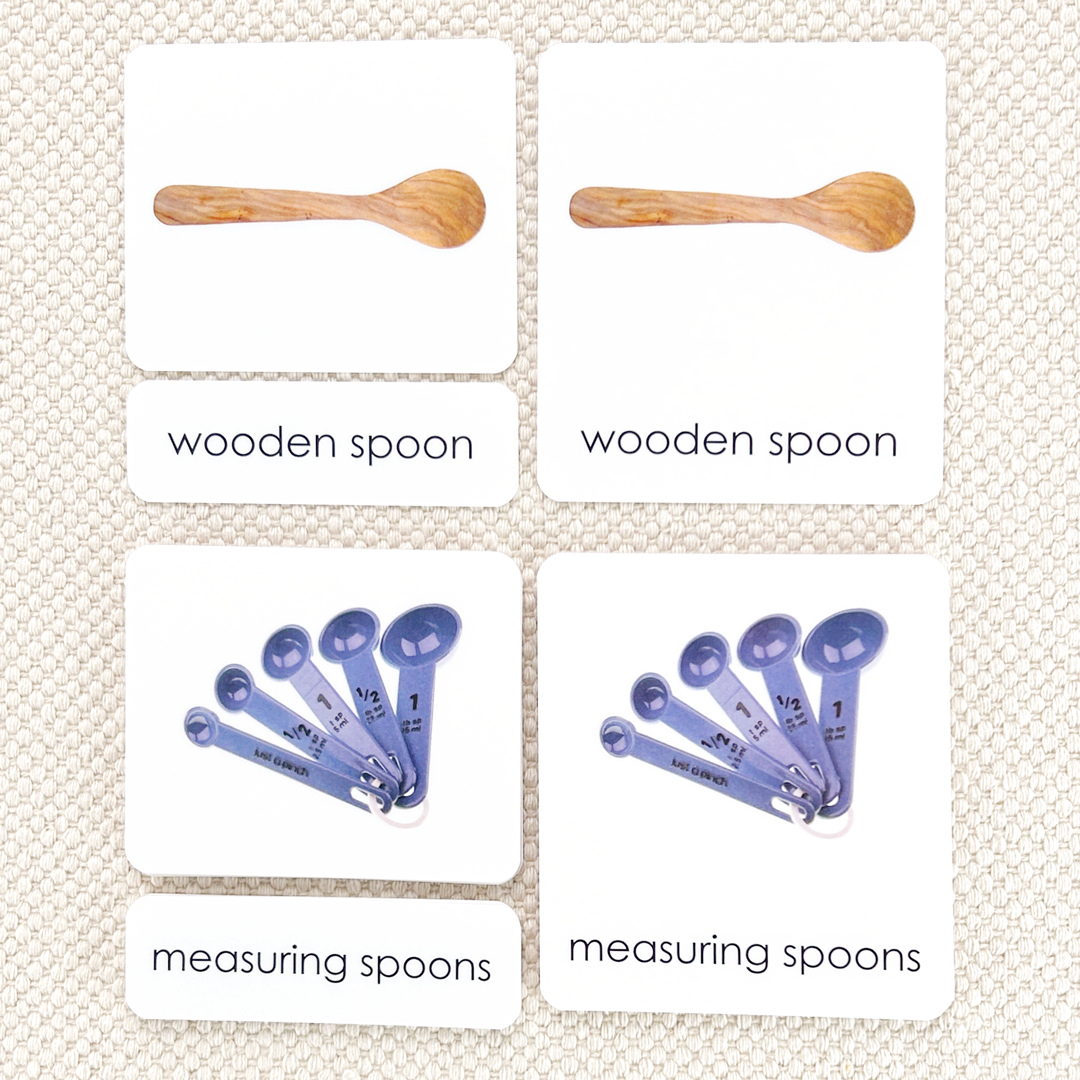
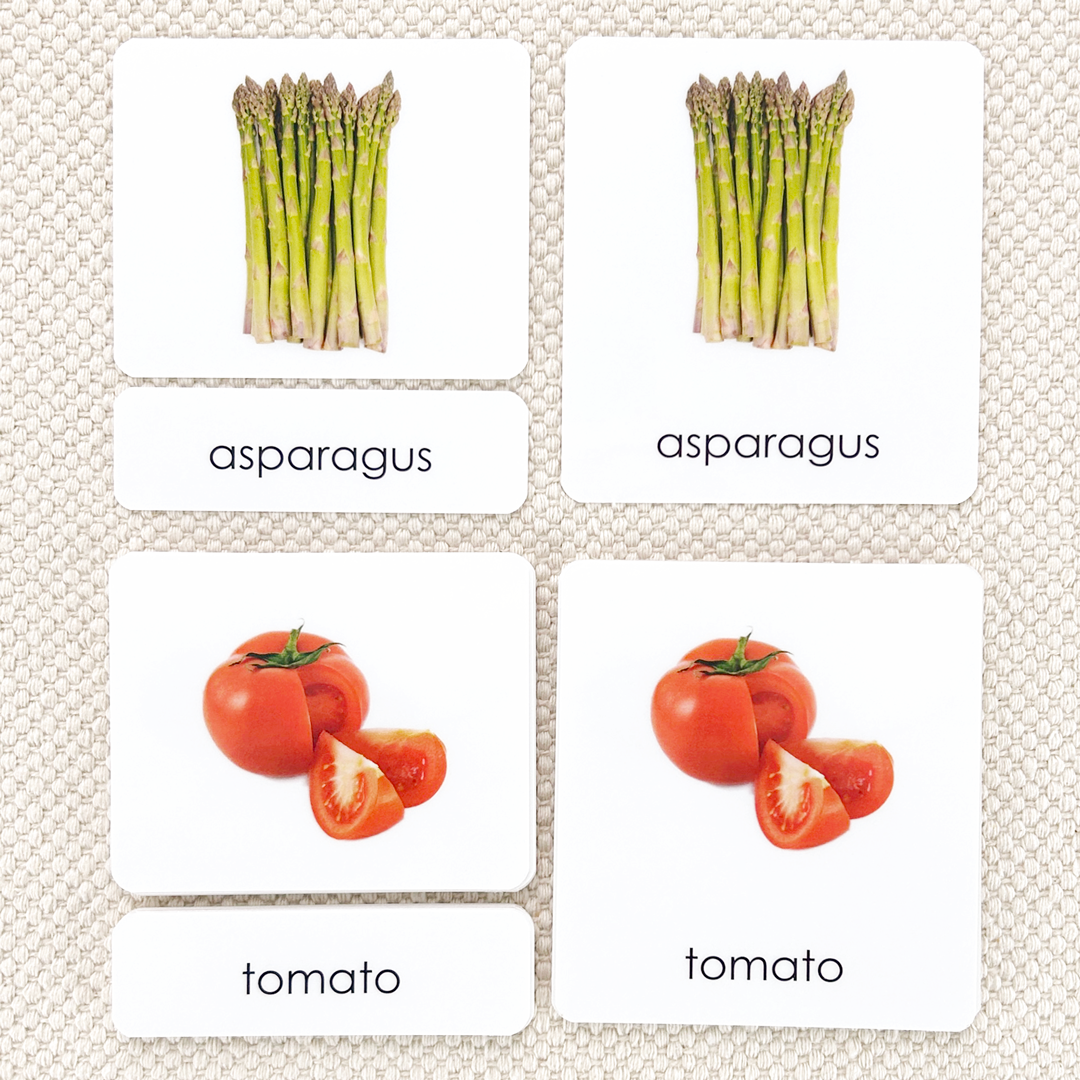
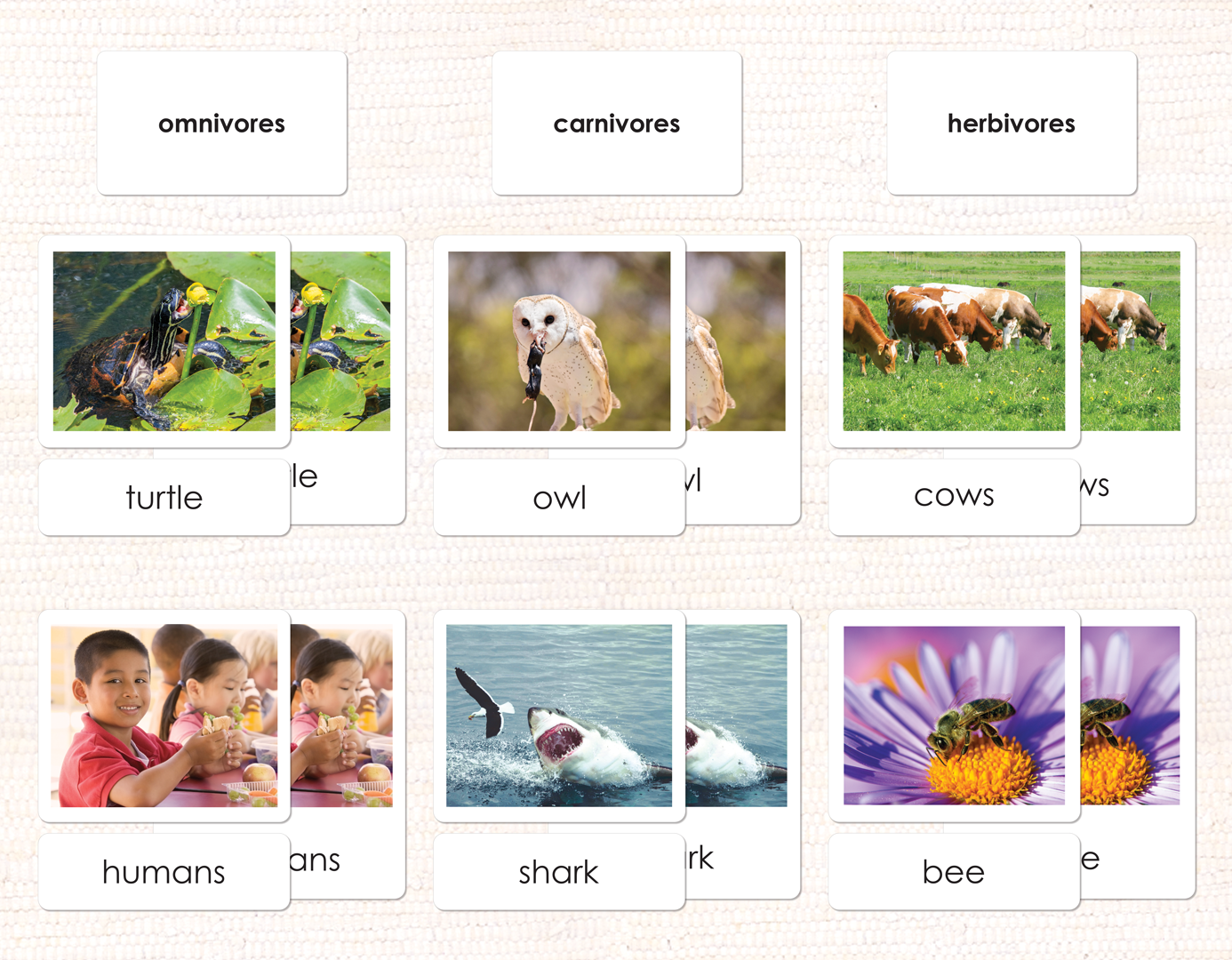
Reading fluency materials are for students who can already sound out phonetic words and phonograms. At this stage, students start reading words like humans, violin, and volcano, which don't precisely follow the phonetic rules they've learned. Our 3-Part Reading Cards pair a real photo with its printed name, so students can figure out new words and check their own work.
This is also where reading becomes a way to follow an interest. A student who loves birds, flags, or musical instruments will choose those cards again and again. Each time is more reading practice.
What's in this collection
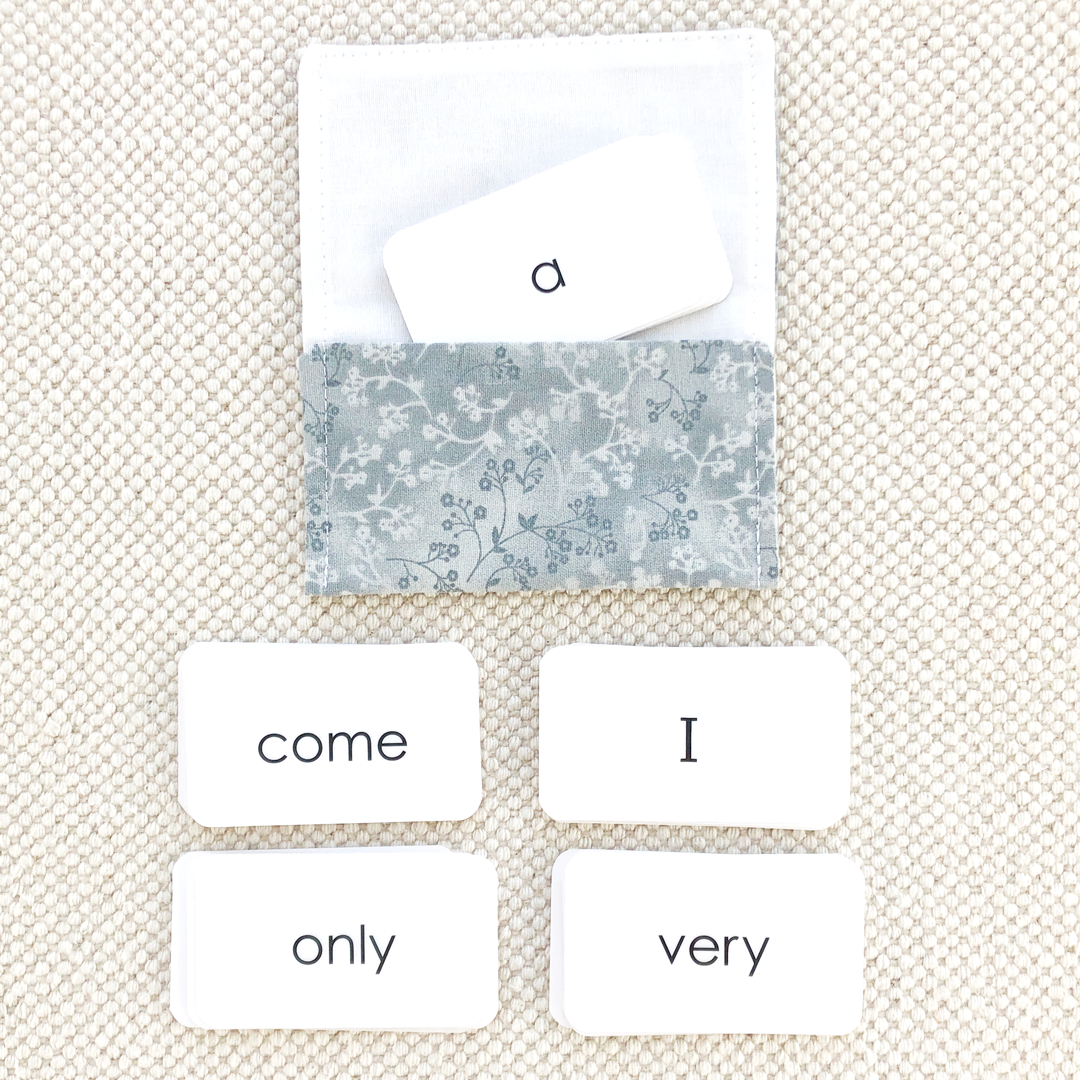
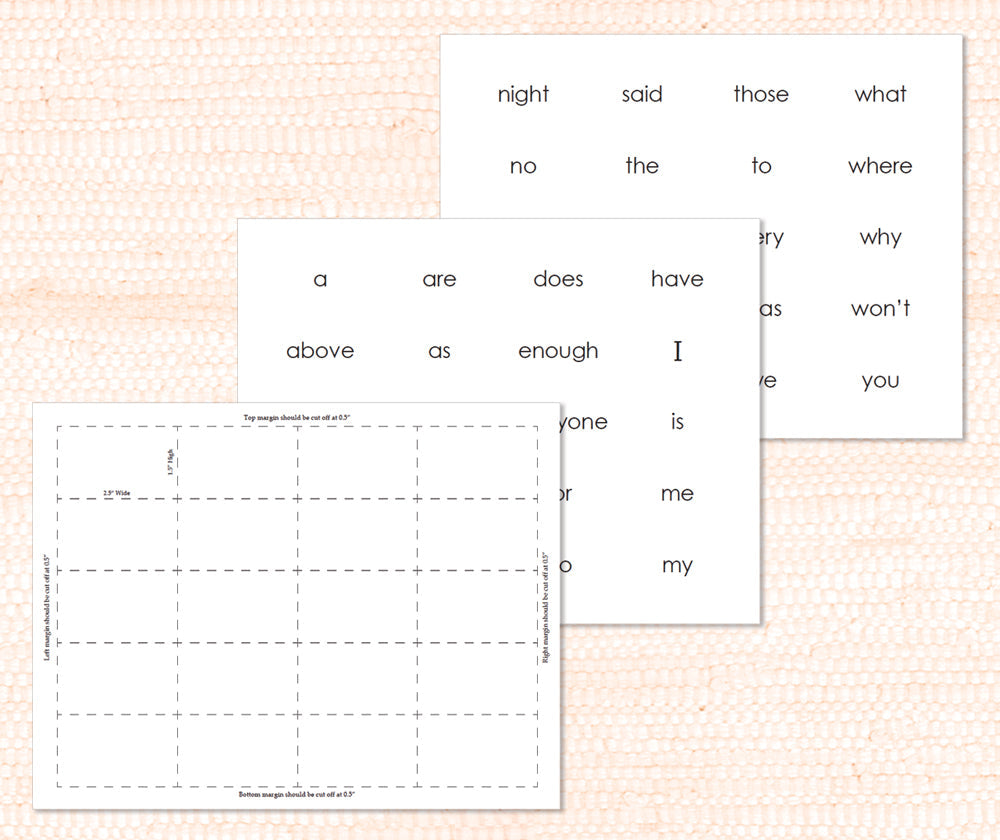
- Puzzle Words: high-frequency words that don't follow regular phonetic rules
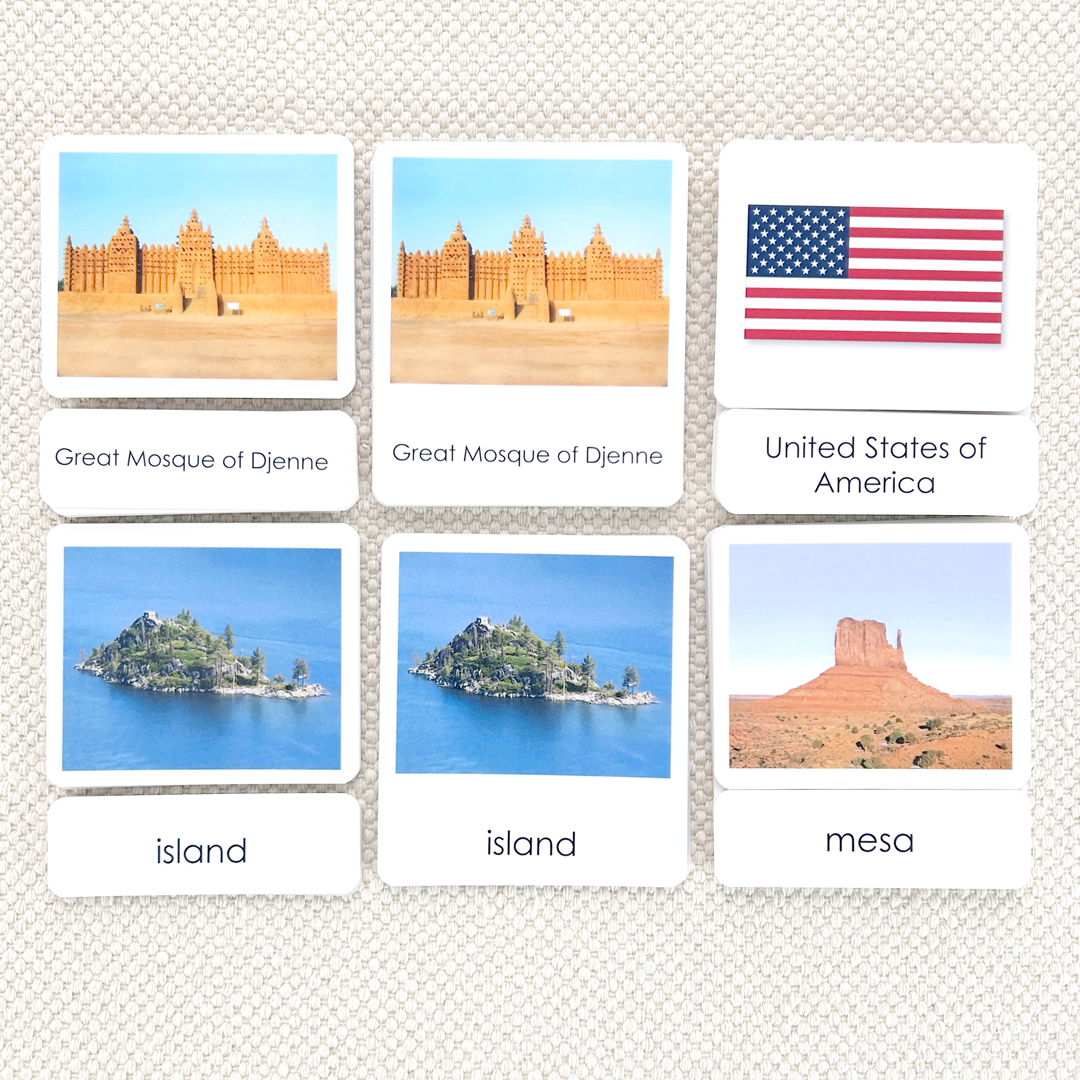
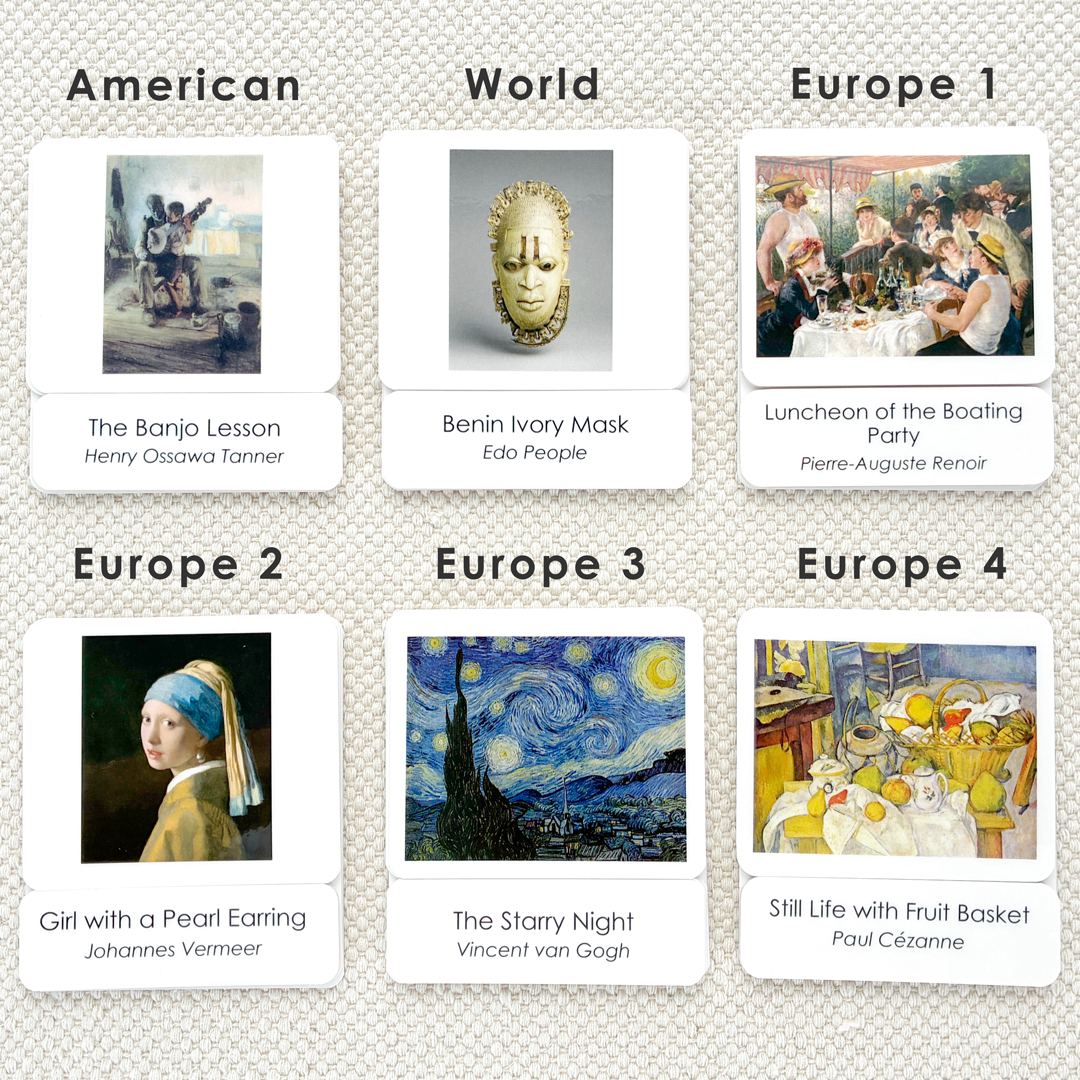
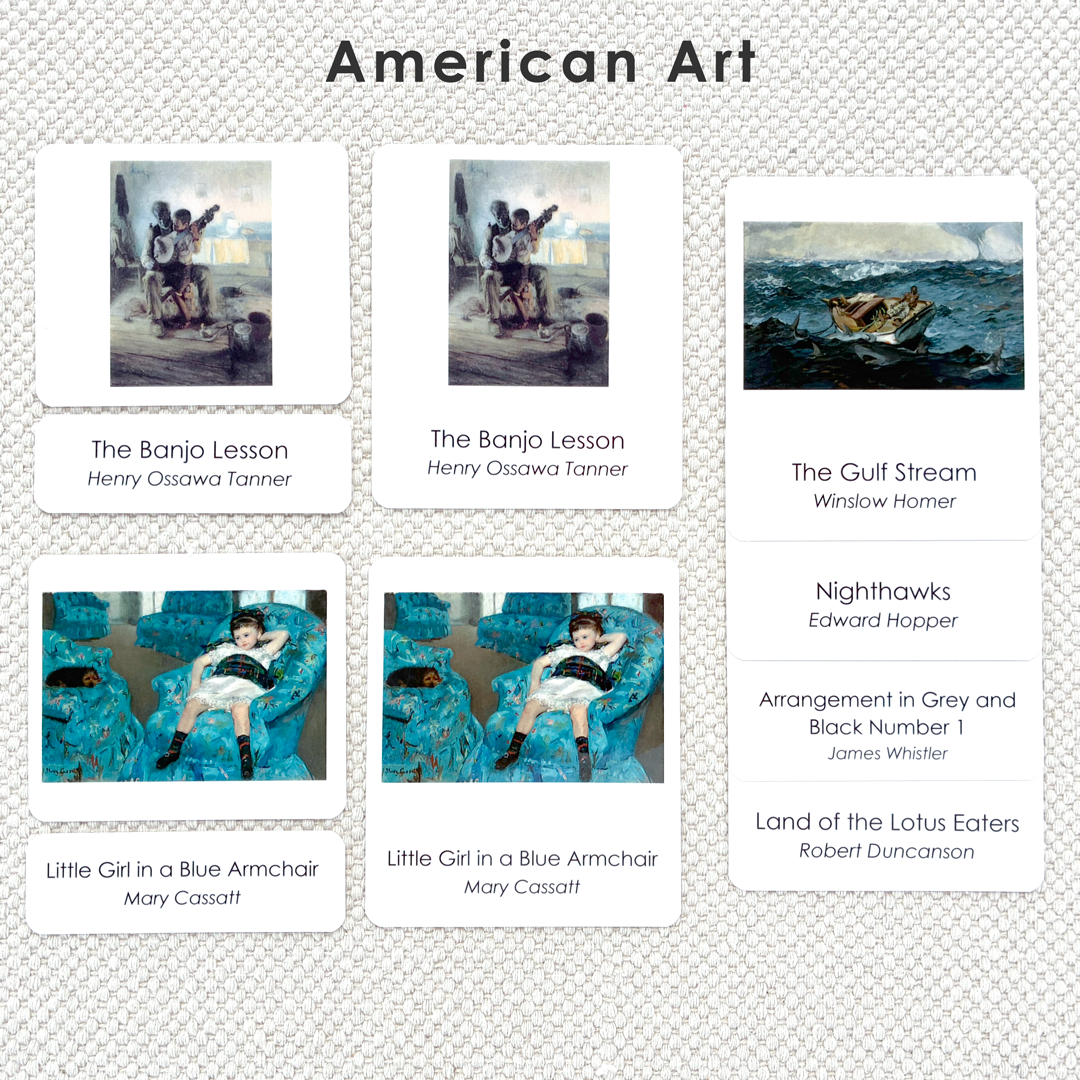
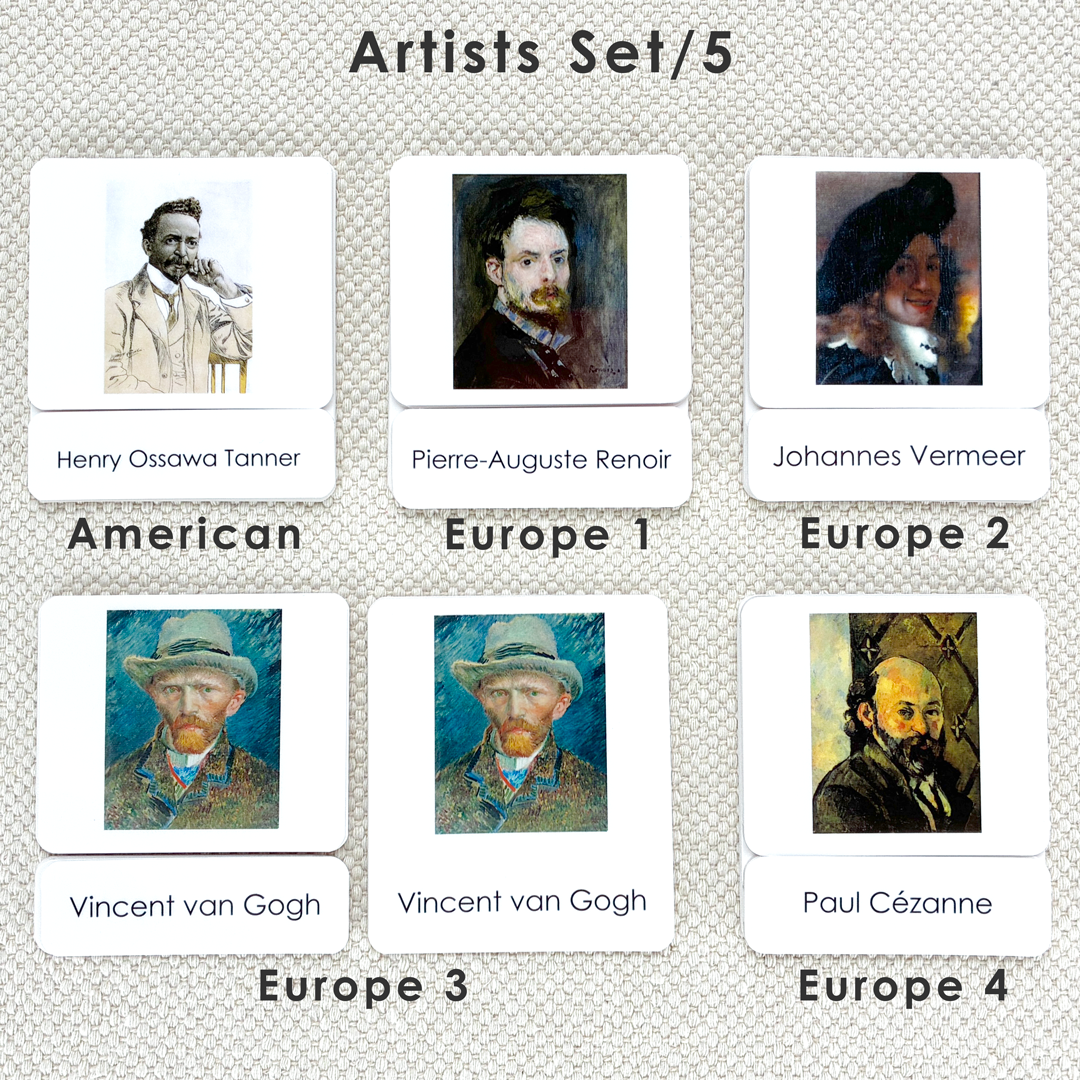
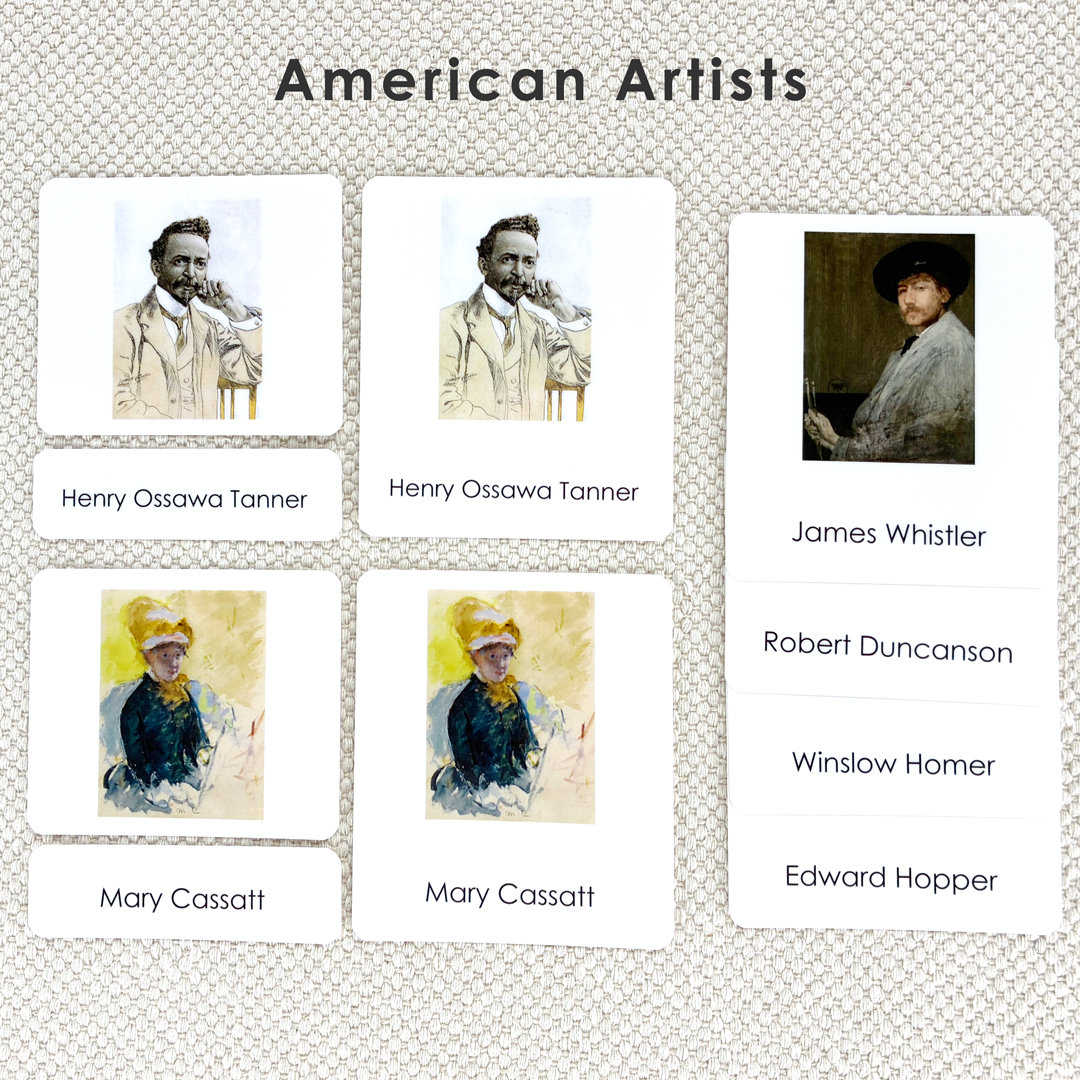
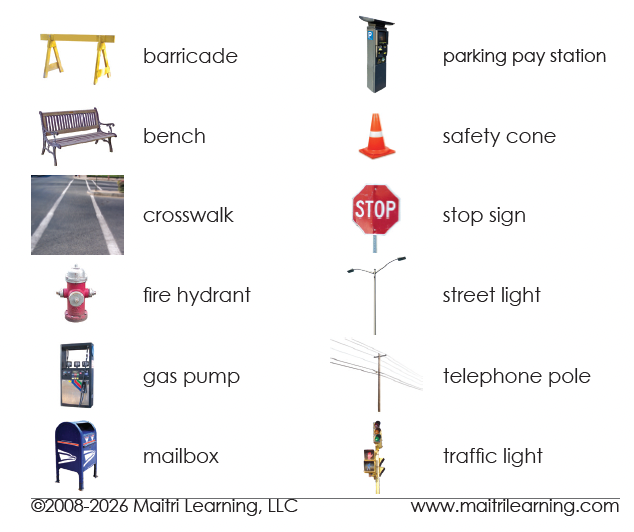
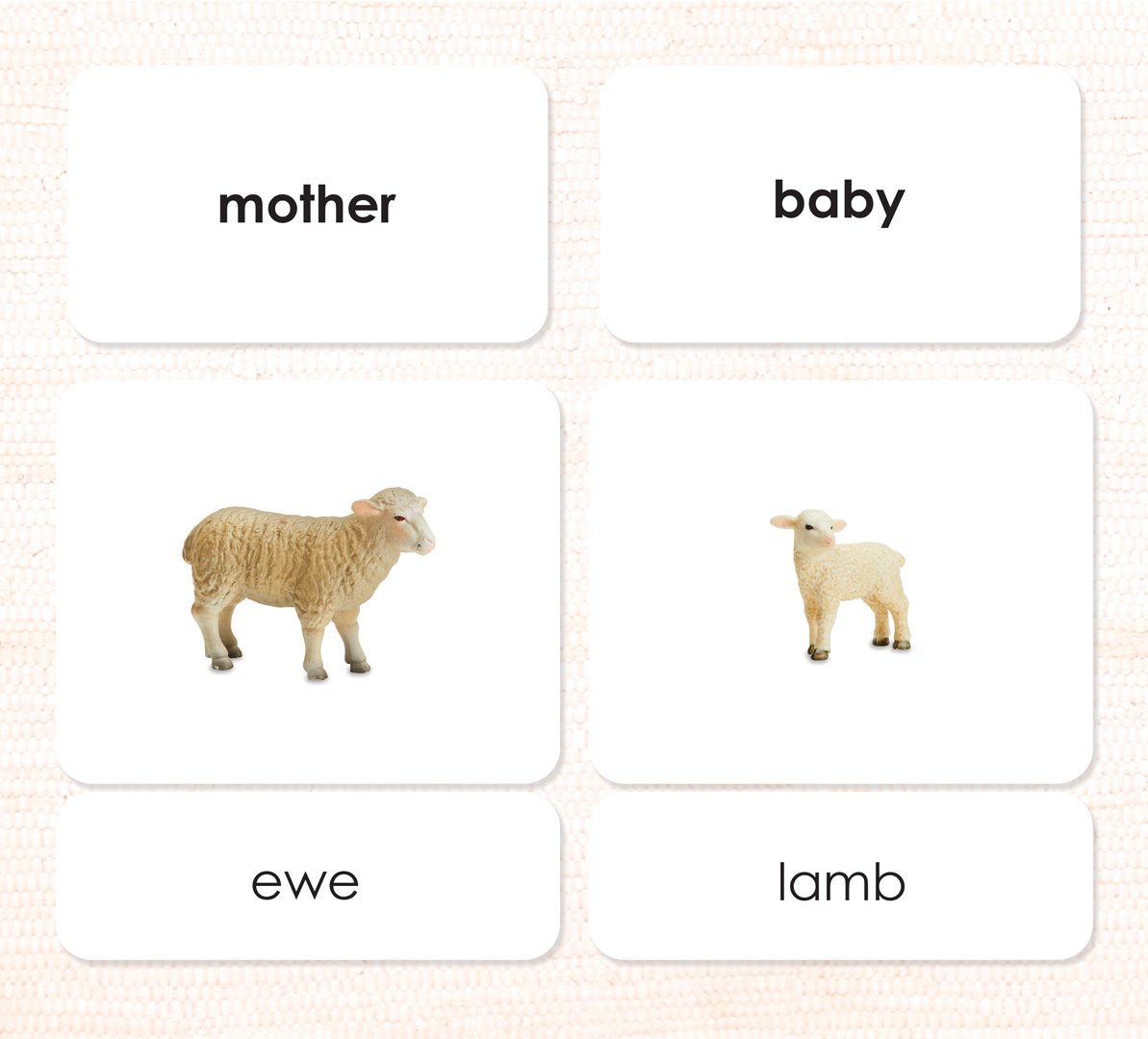
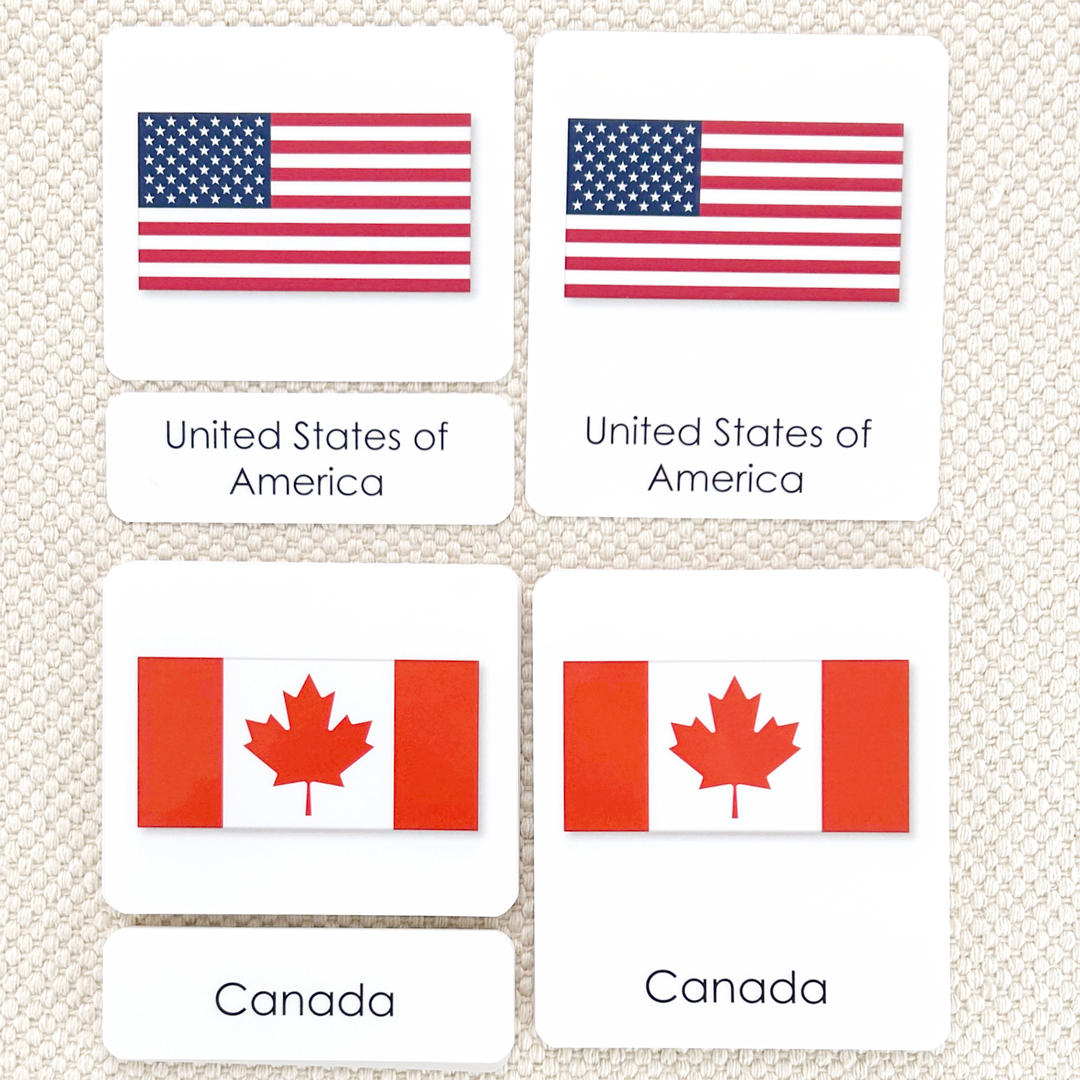
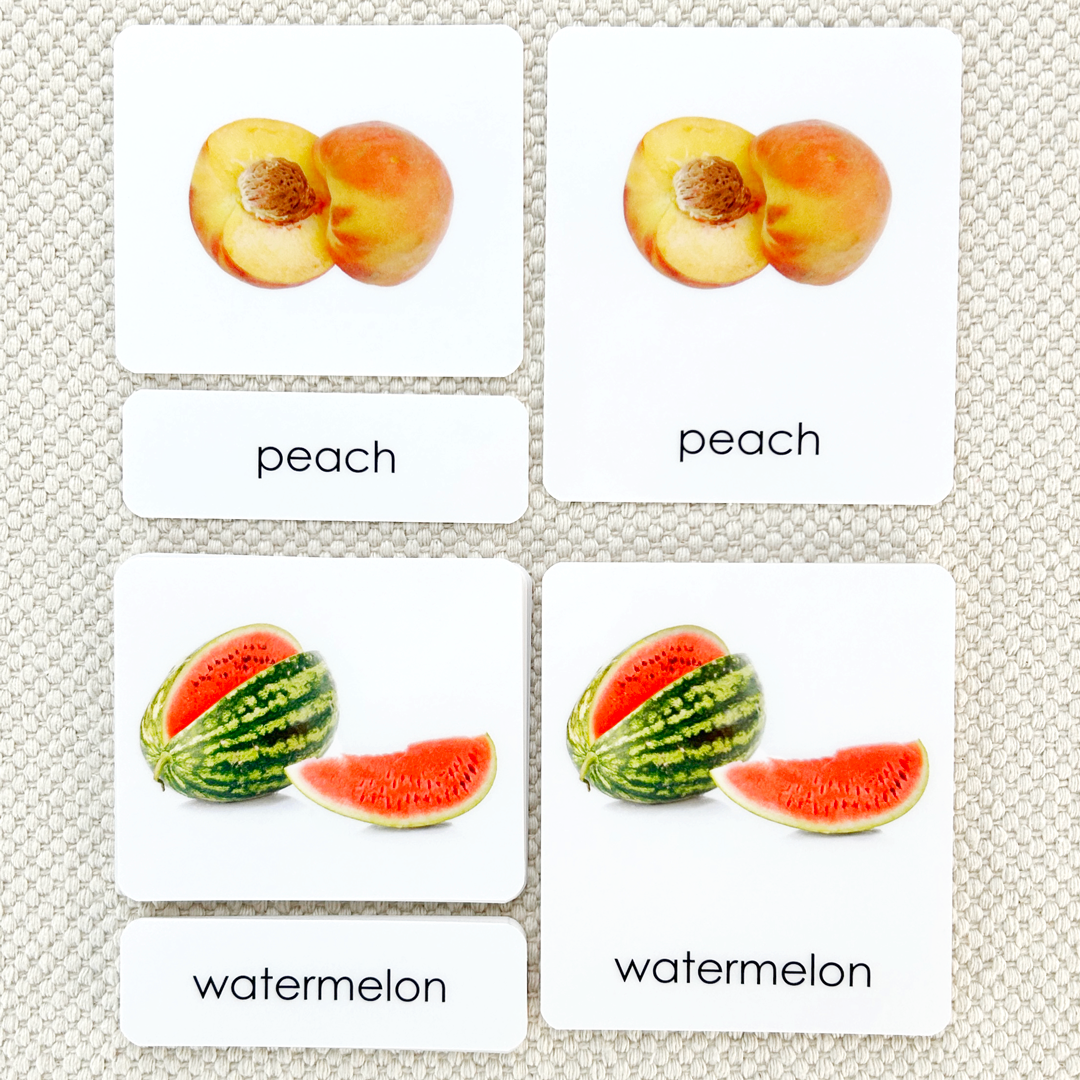
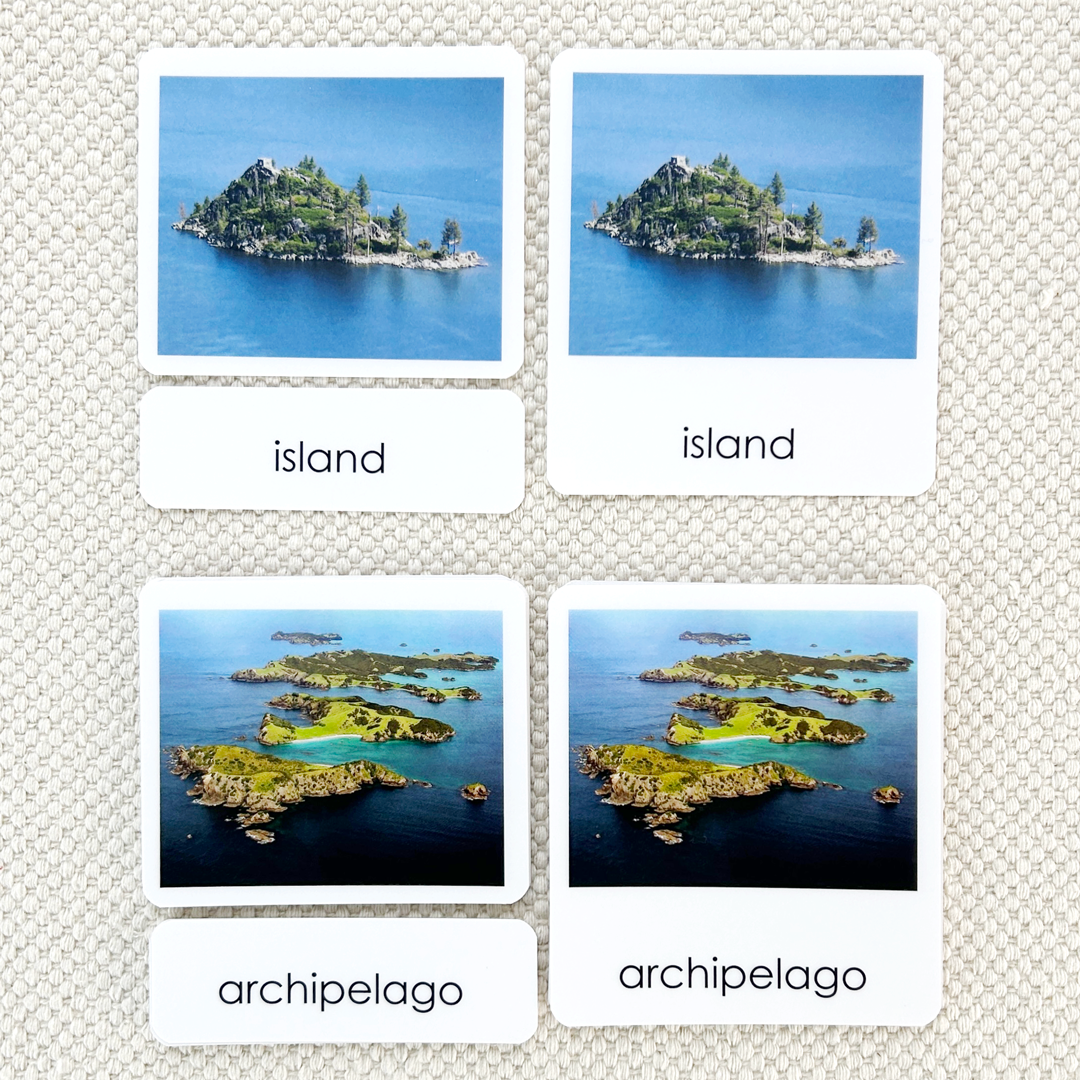
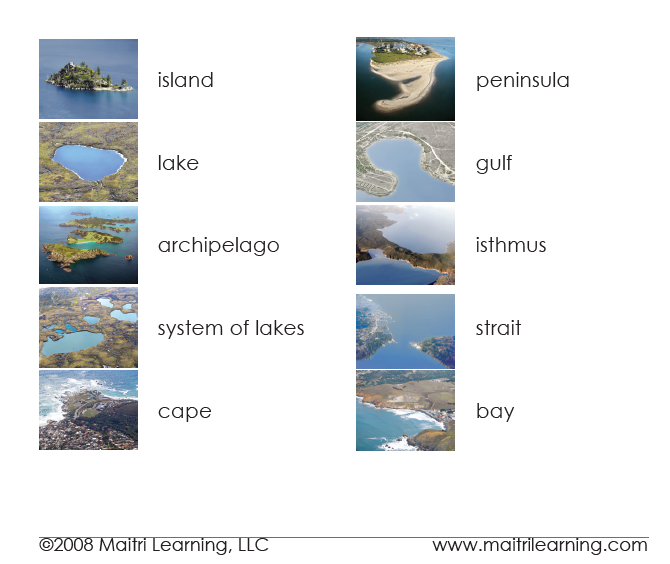
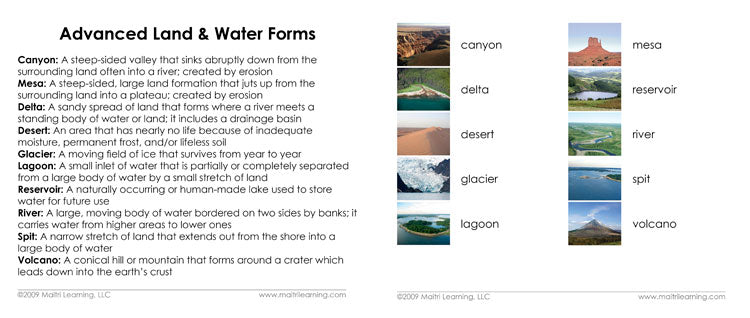
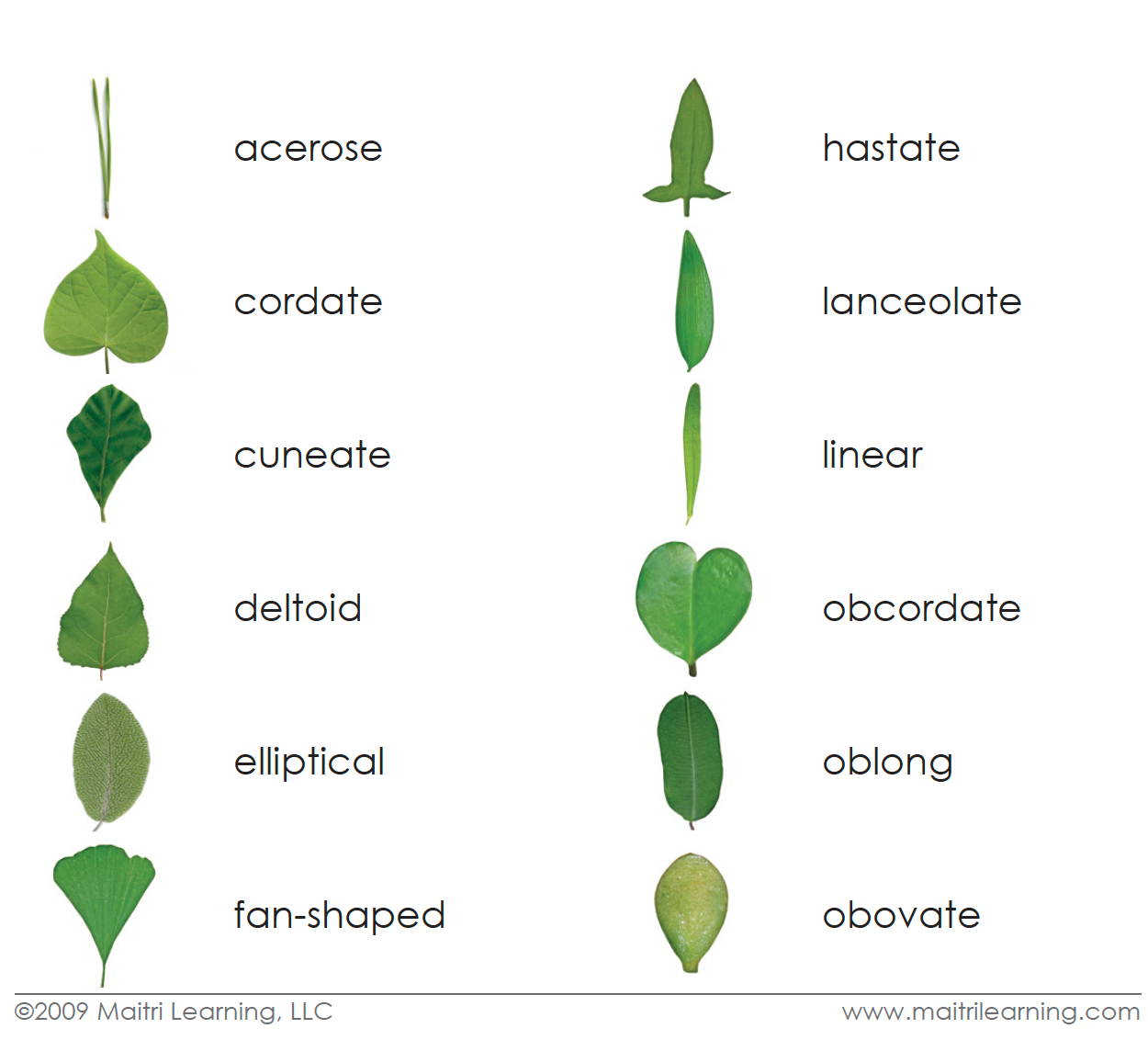
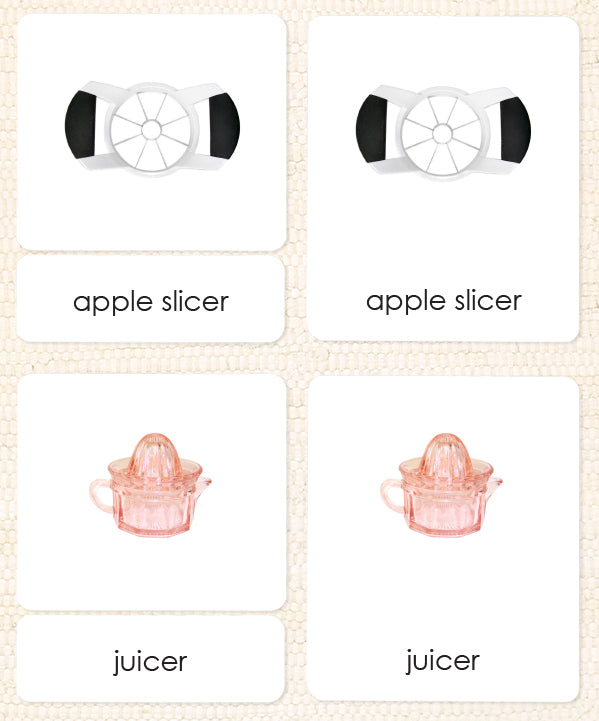
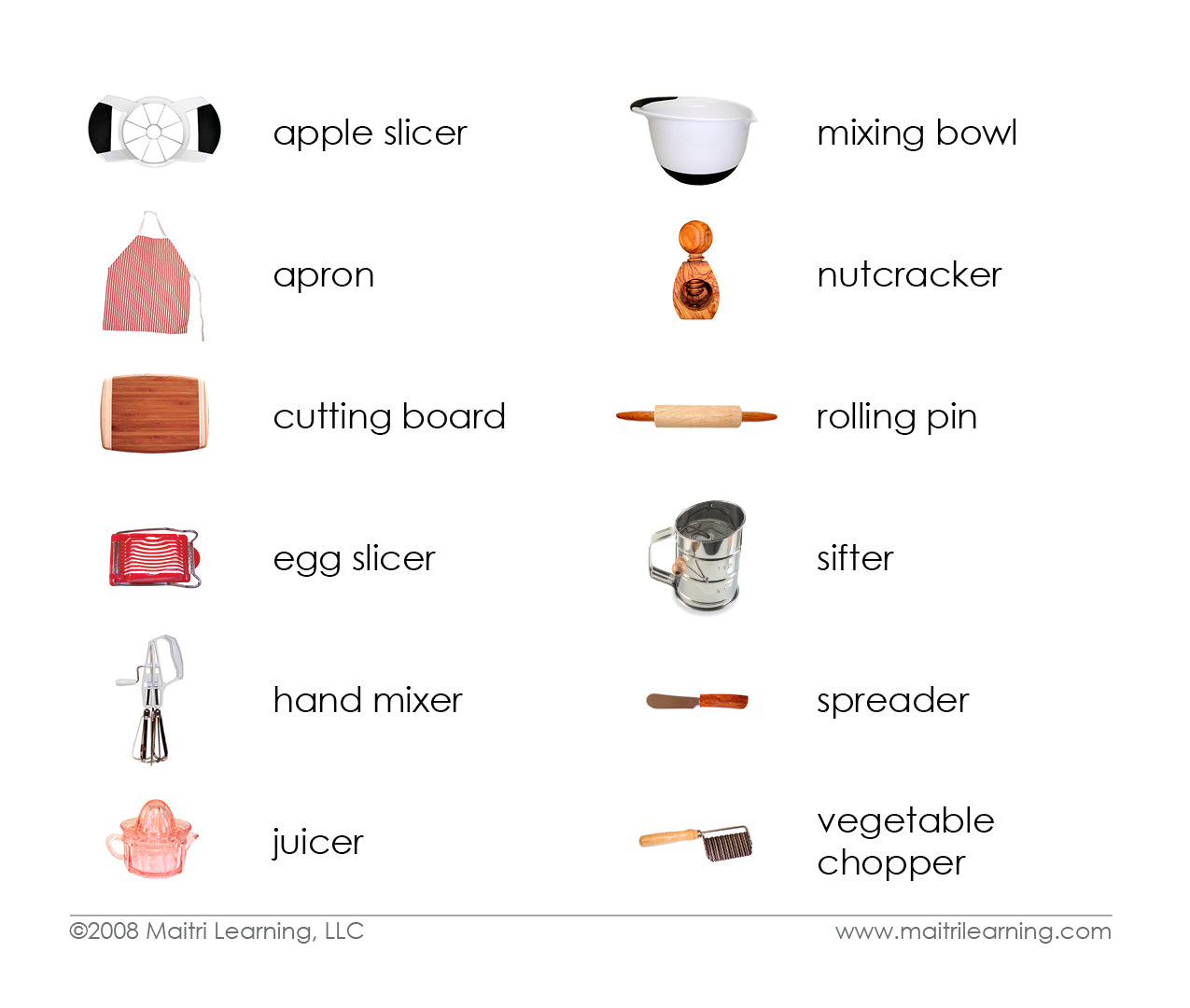
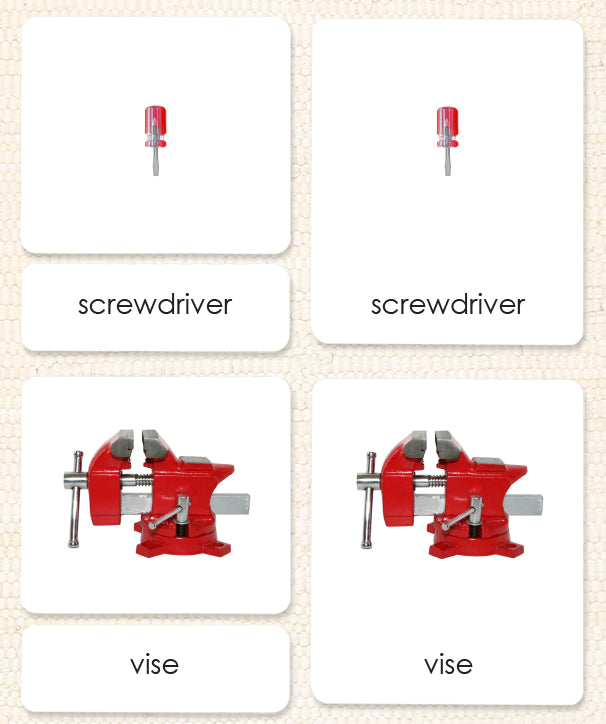
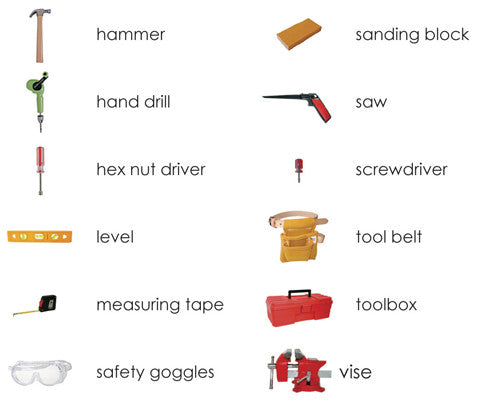
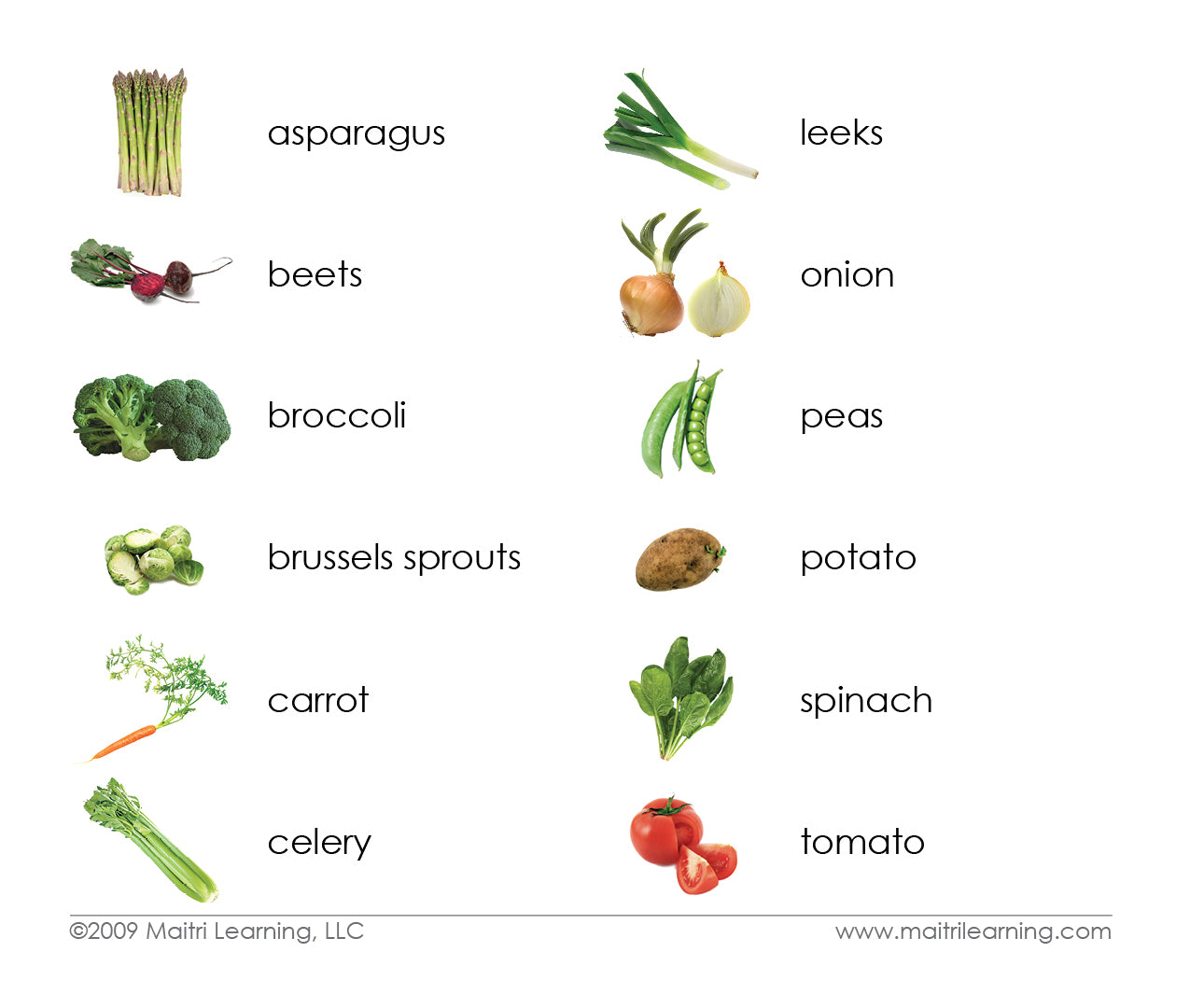
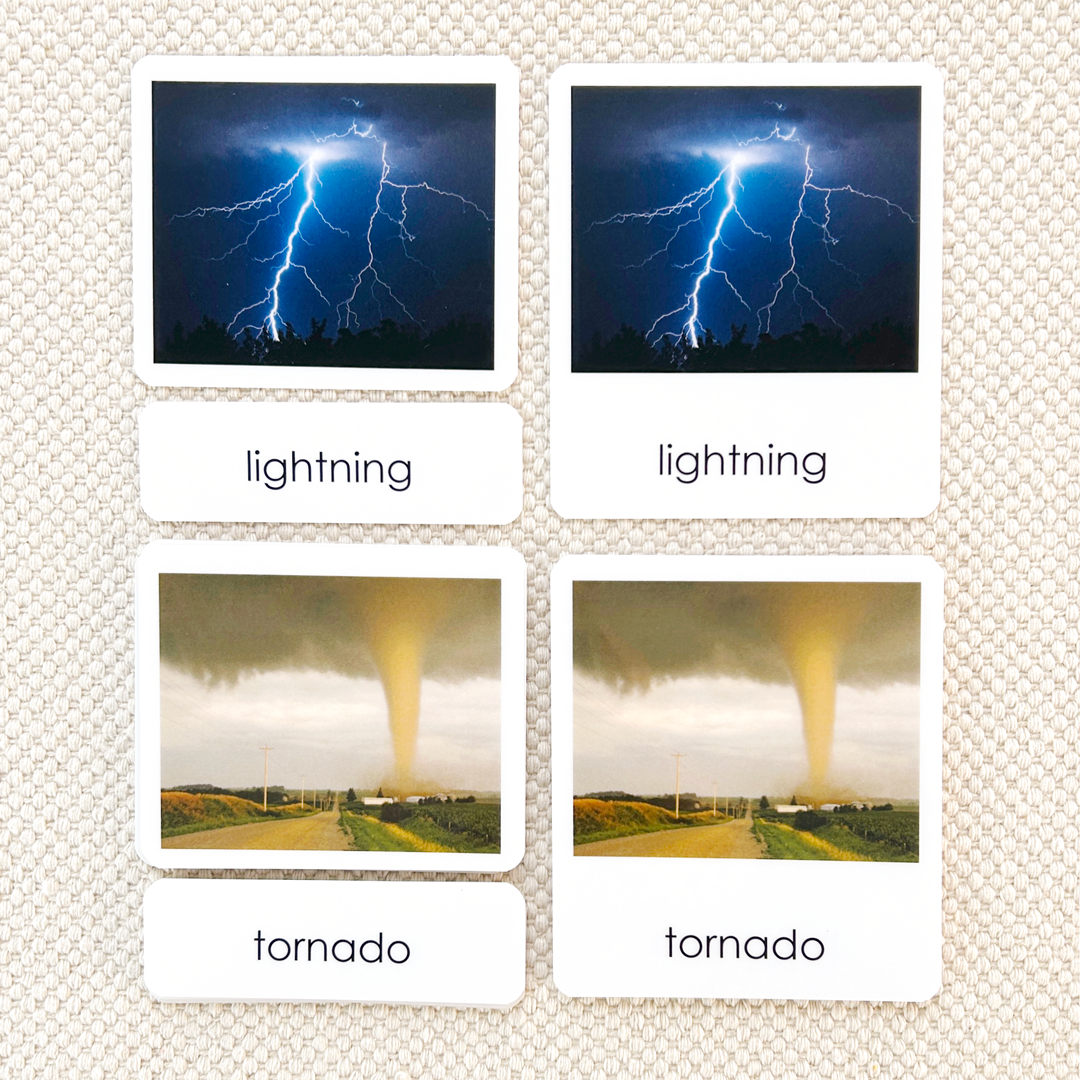
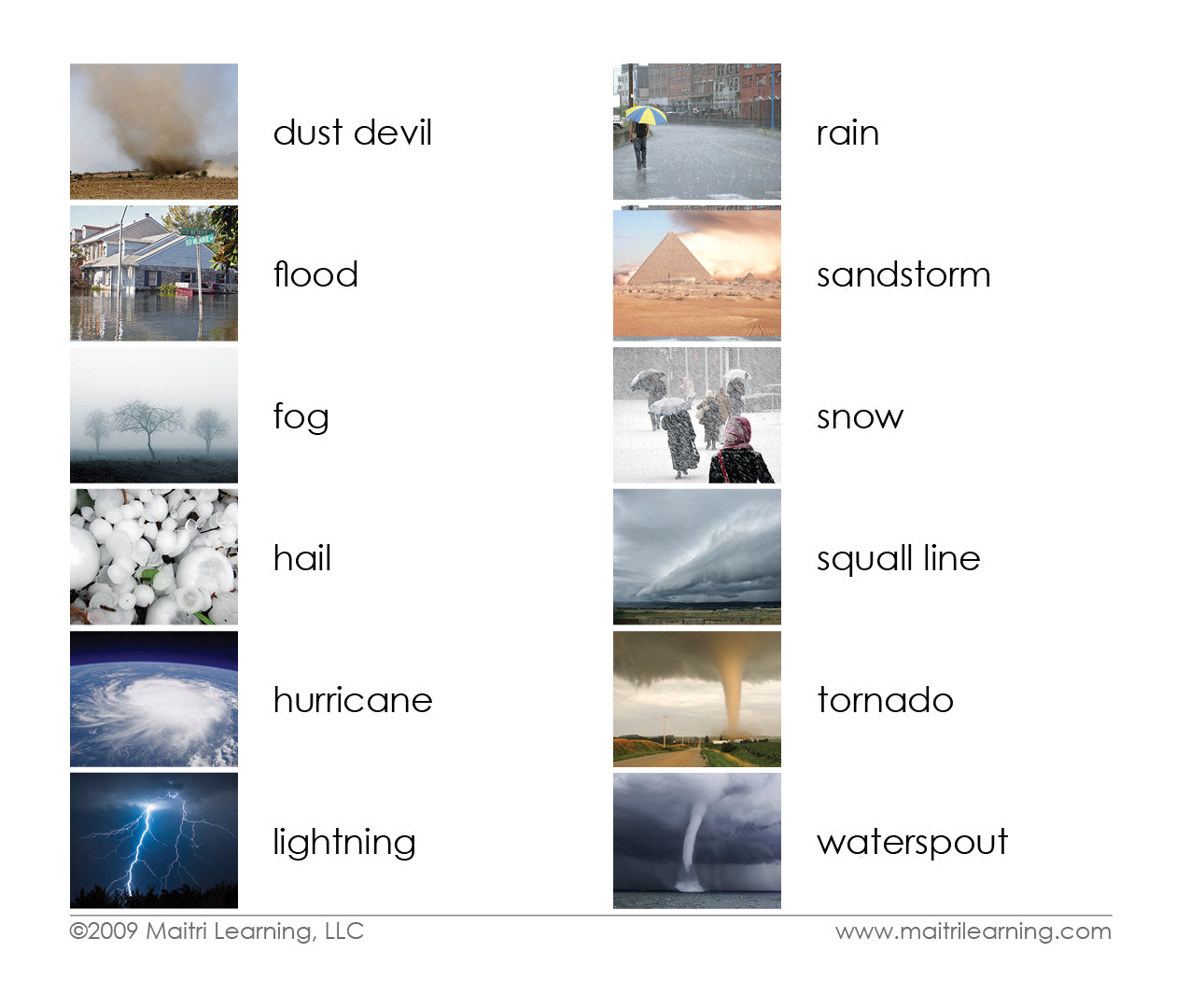
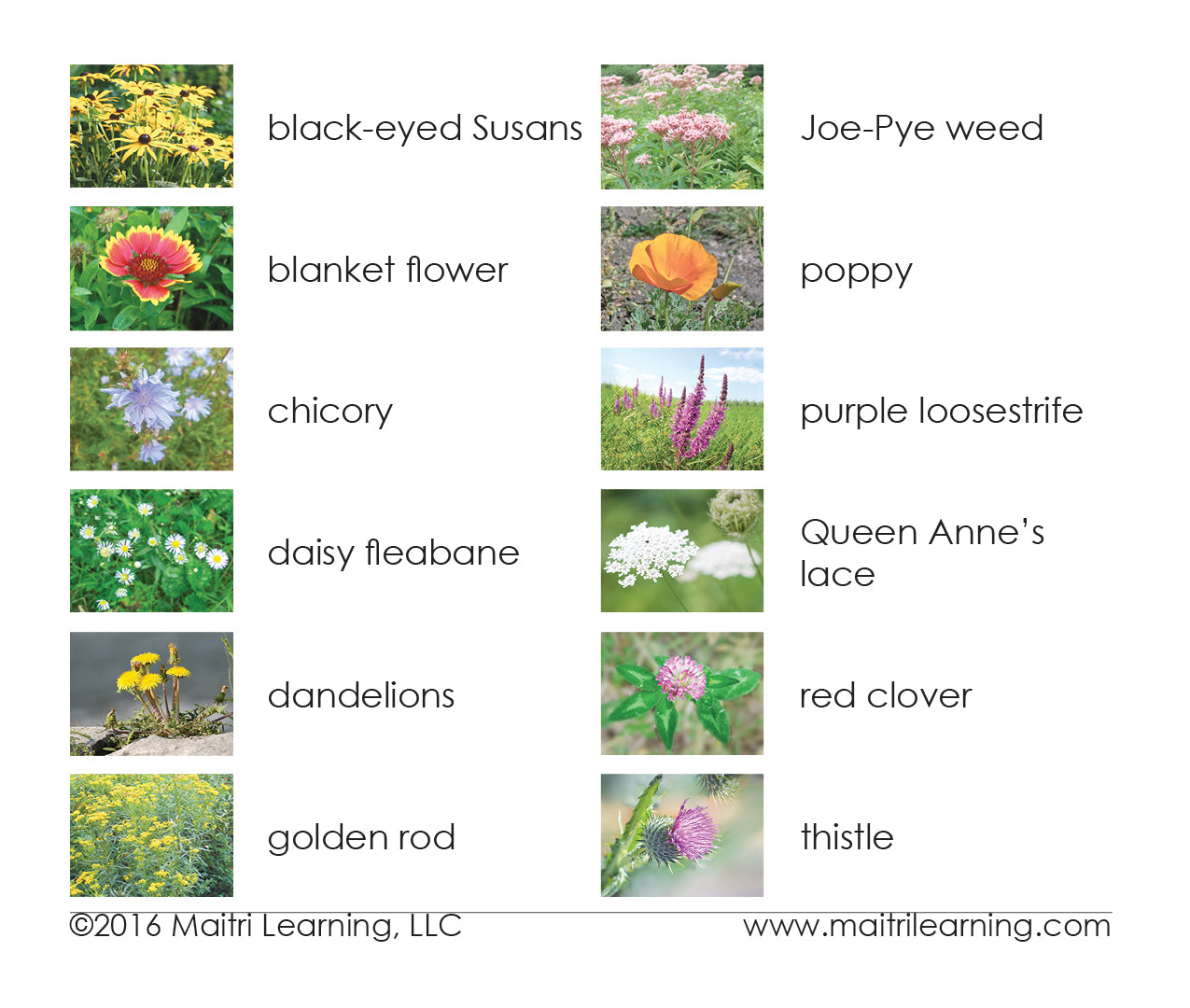
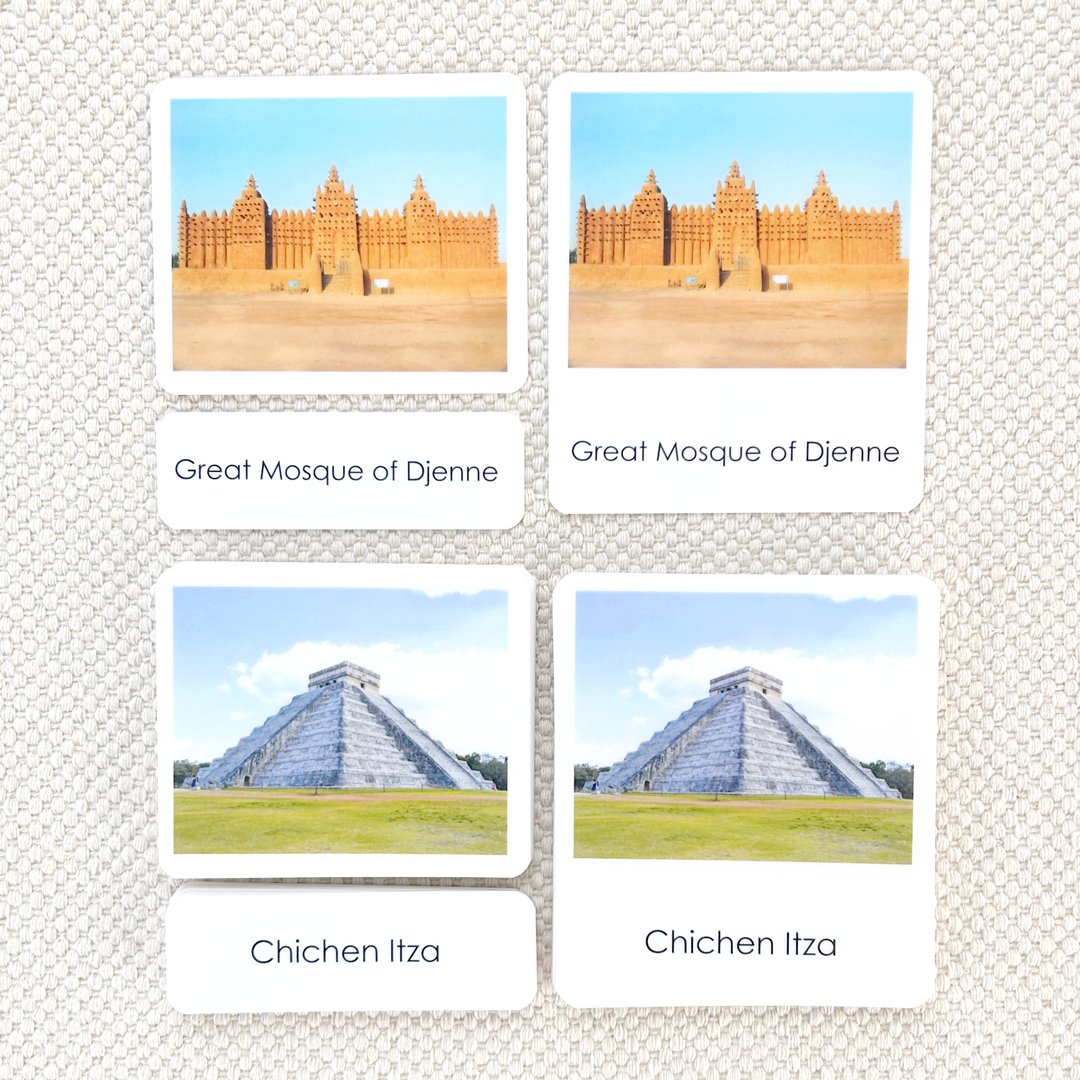
- 3-Part Reading Cards: everyday topics like fruit, tools, and transportation, plus fine art, flags, landmarks, and land and water forms
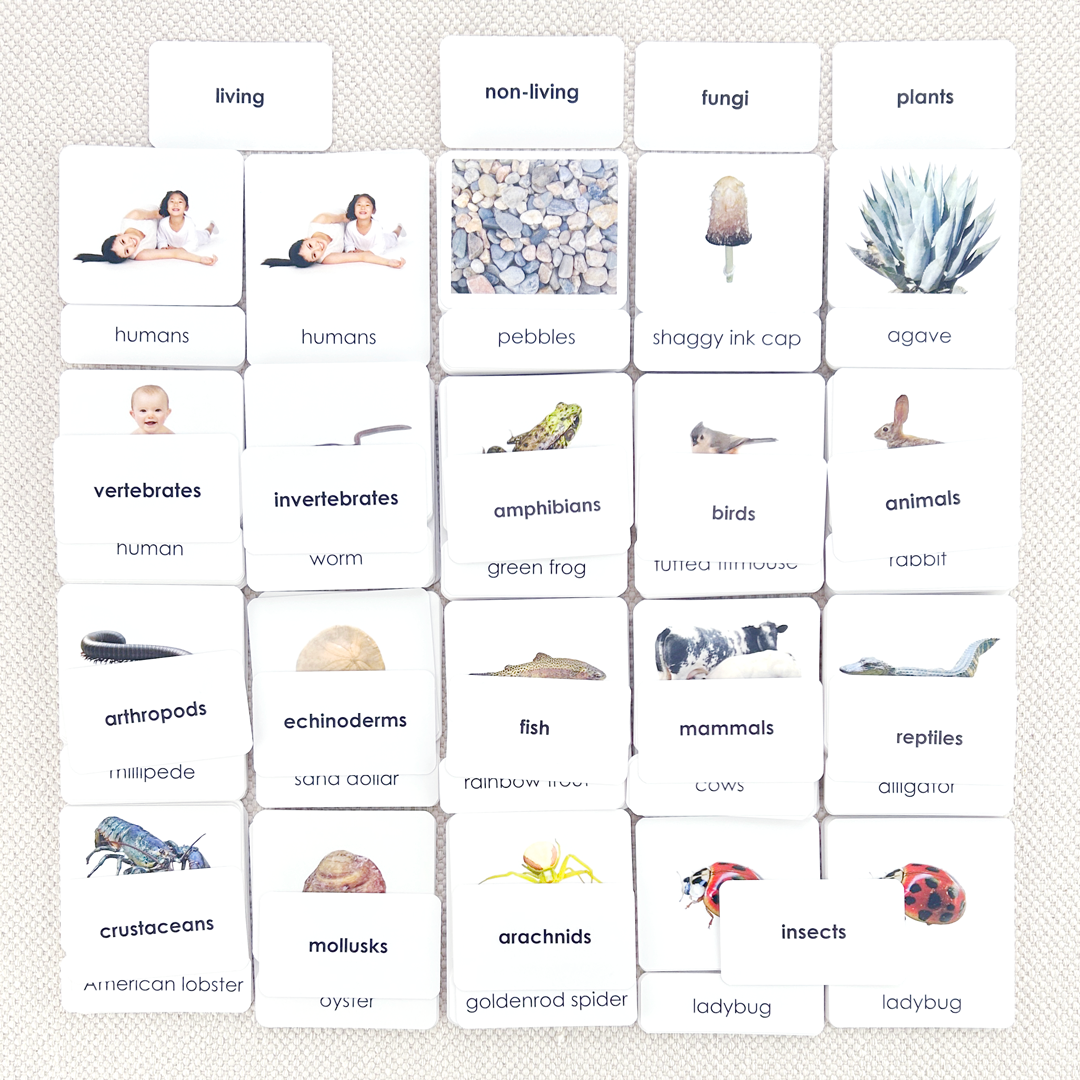
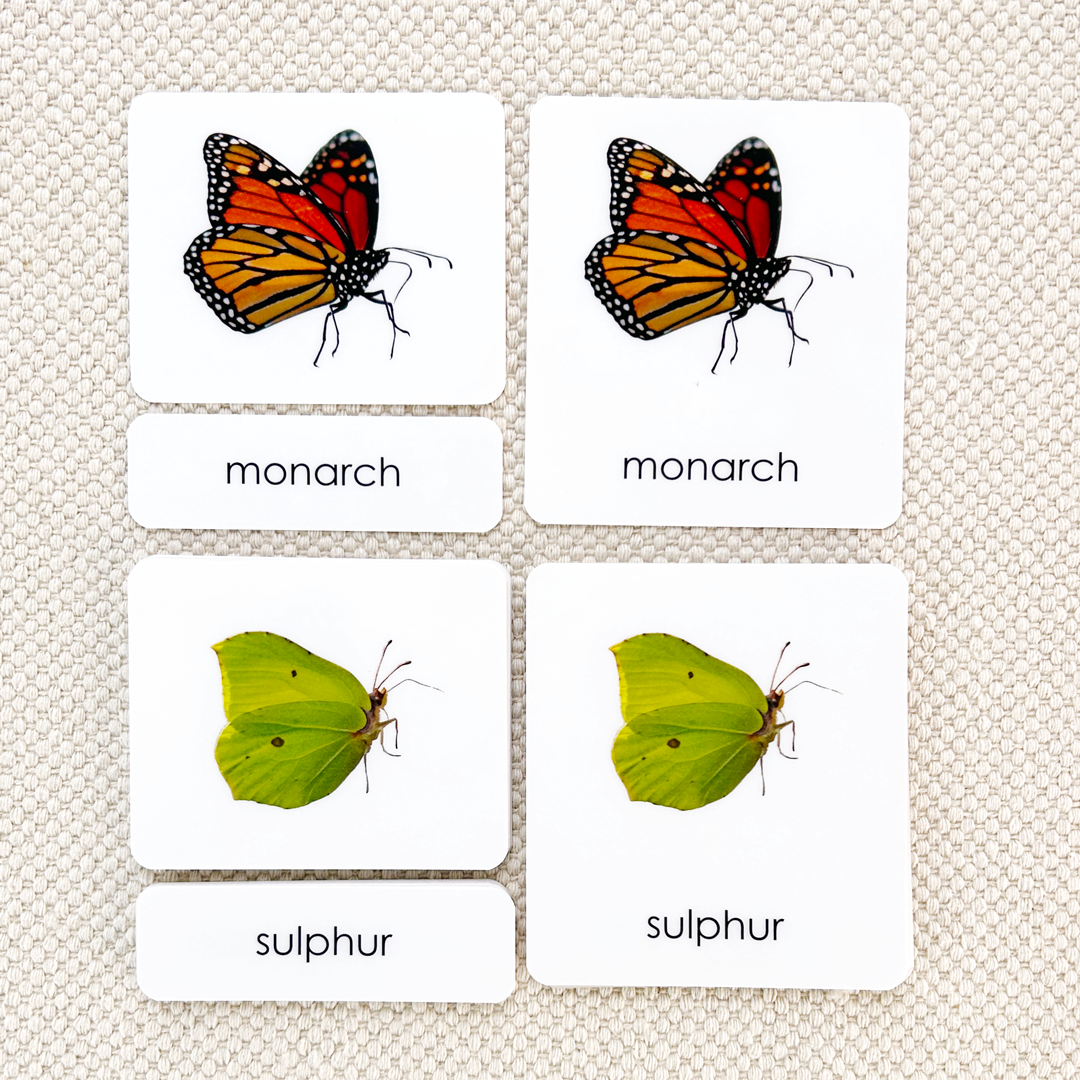
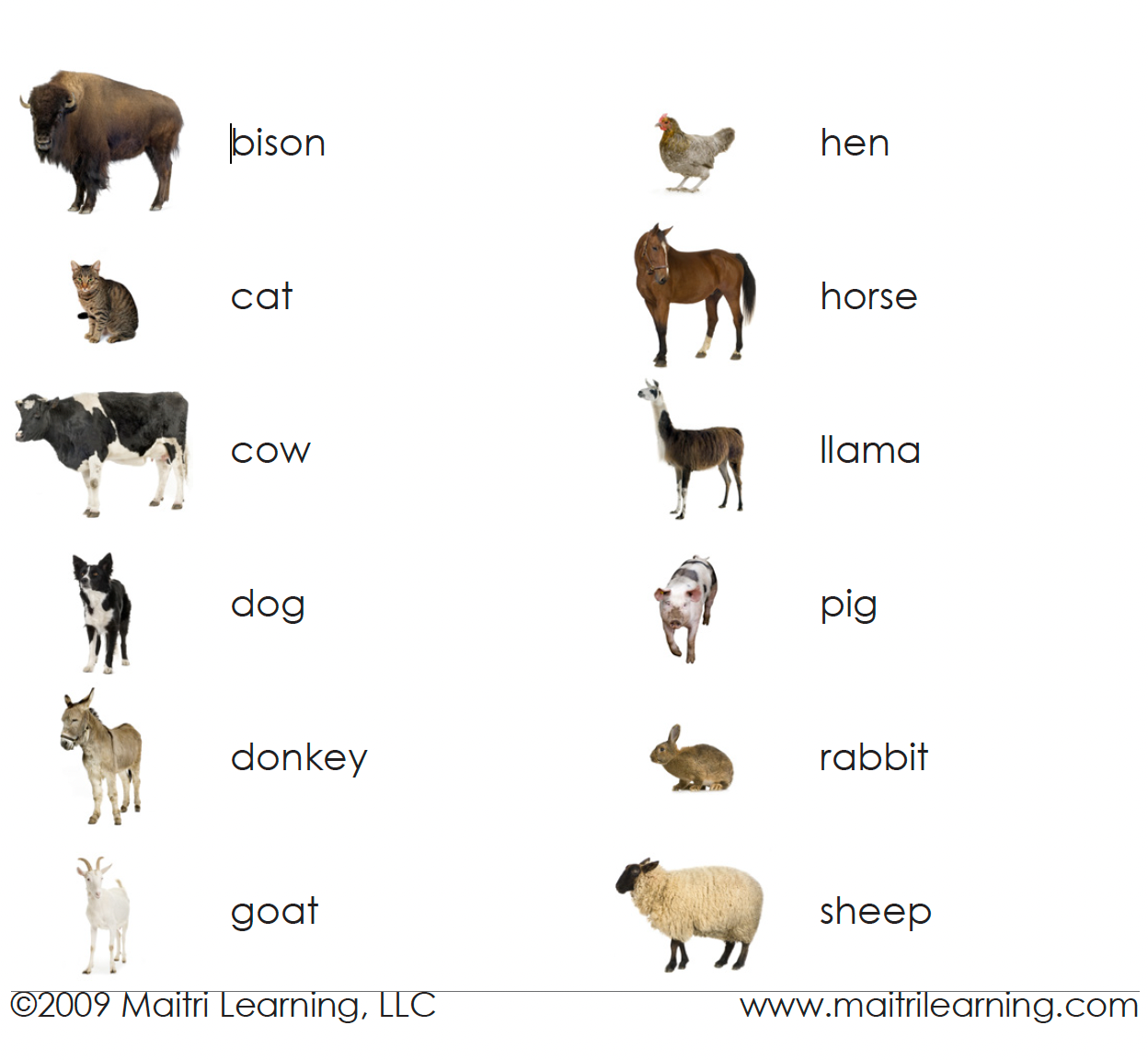
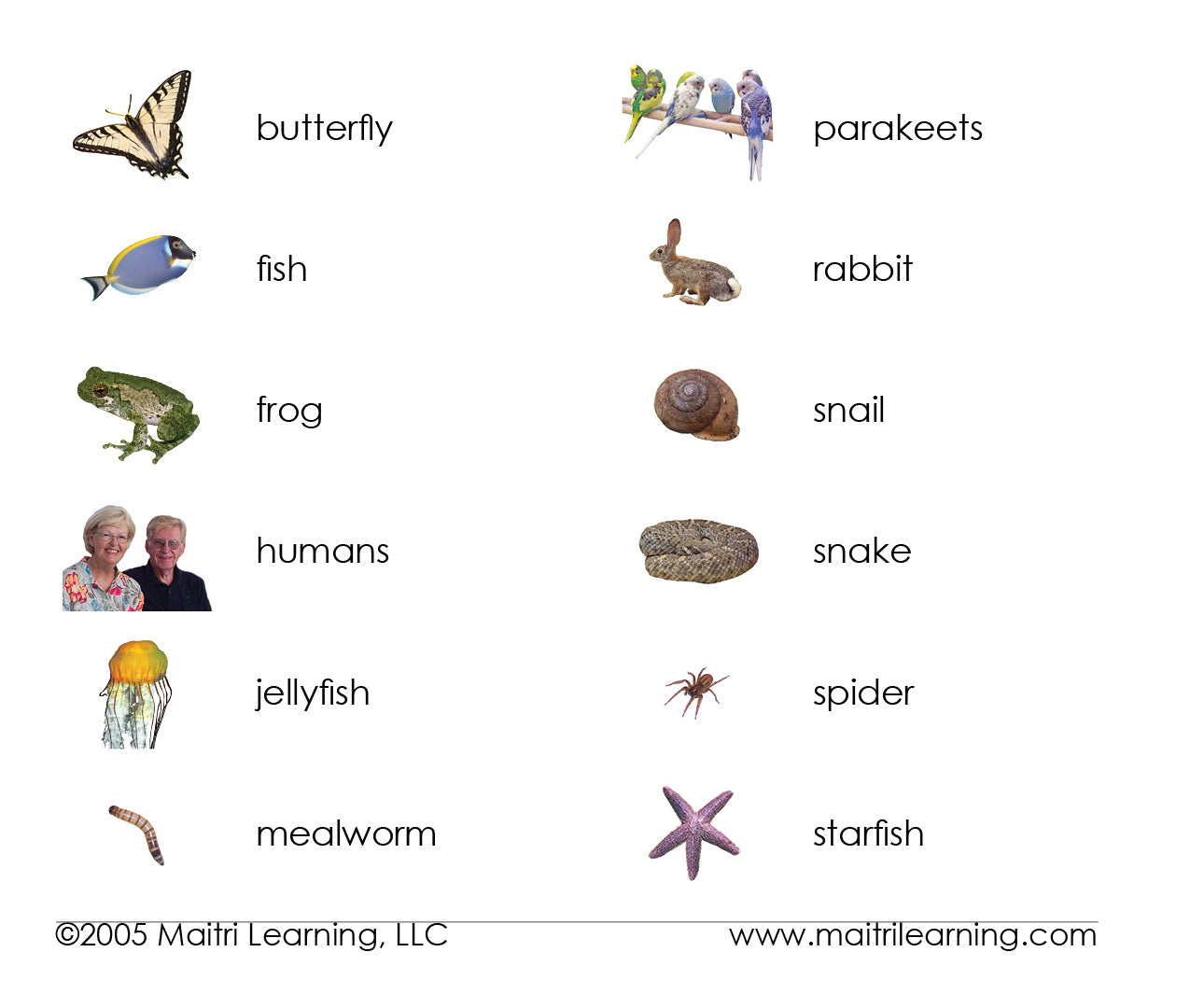
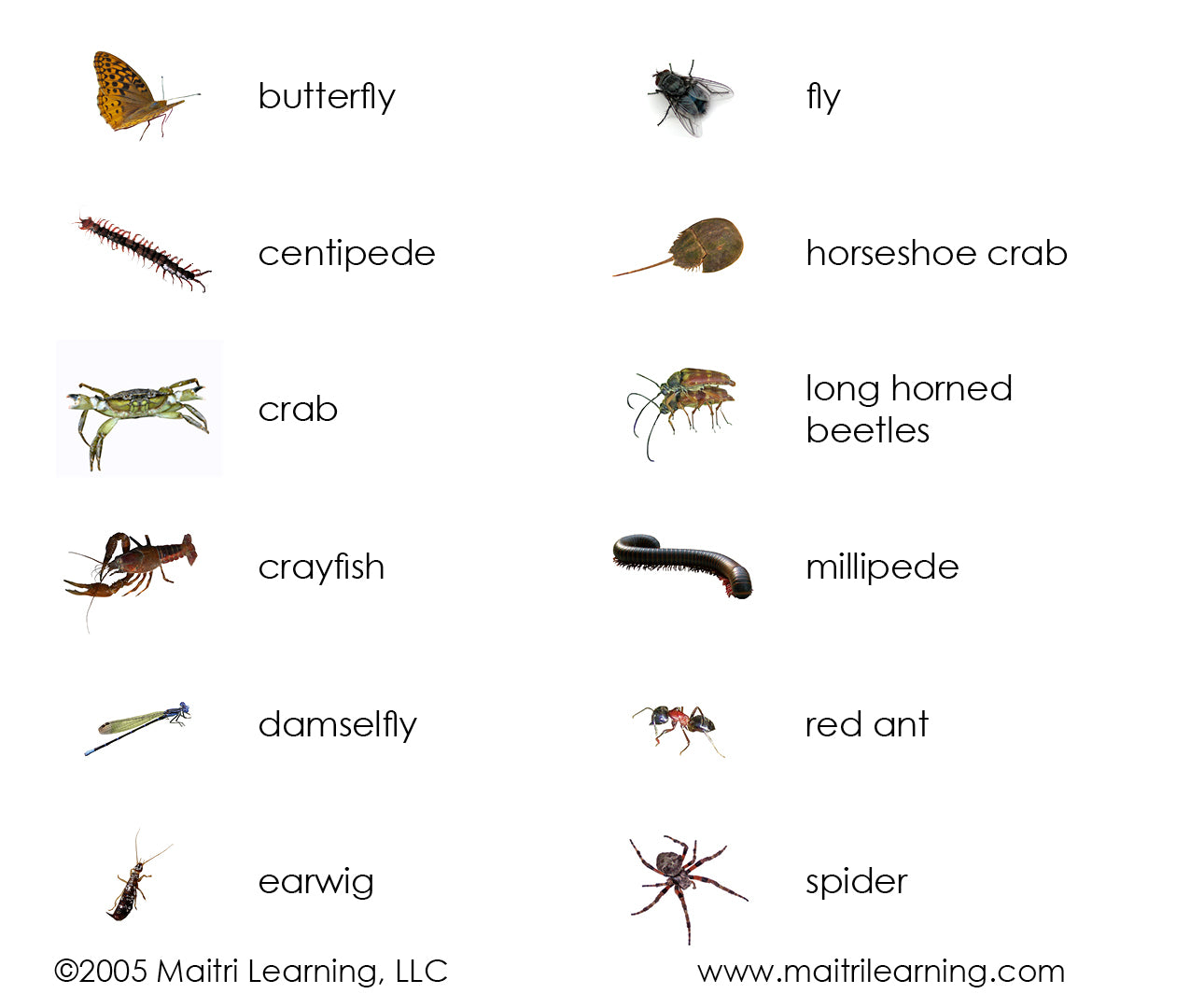
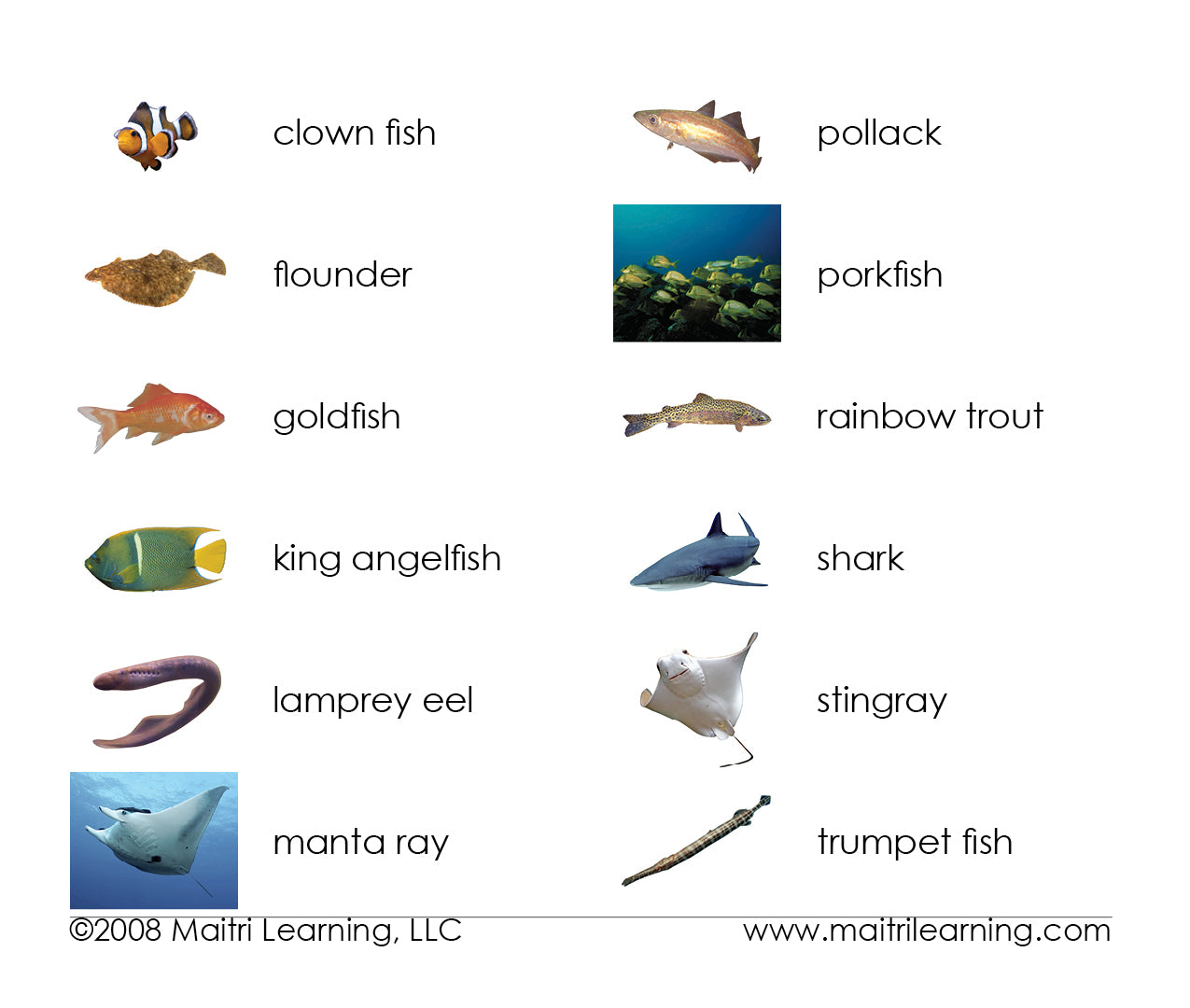
- Zoology 3-Part Cards: real photos of species across the animal kingdom, from amphibians to echinoderms
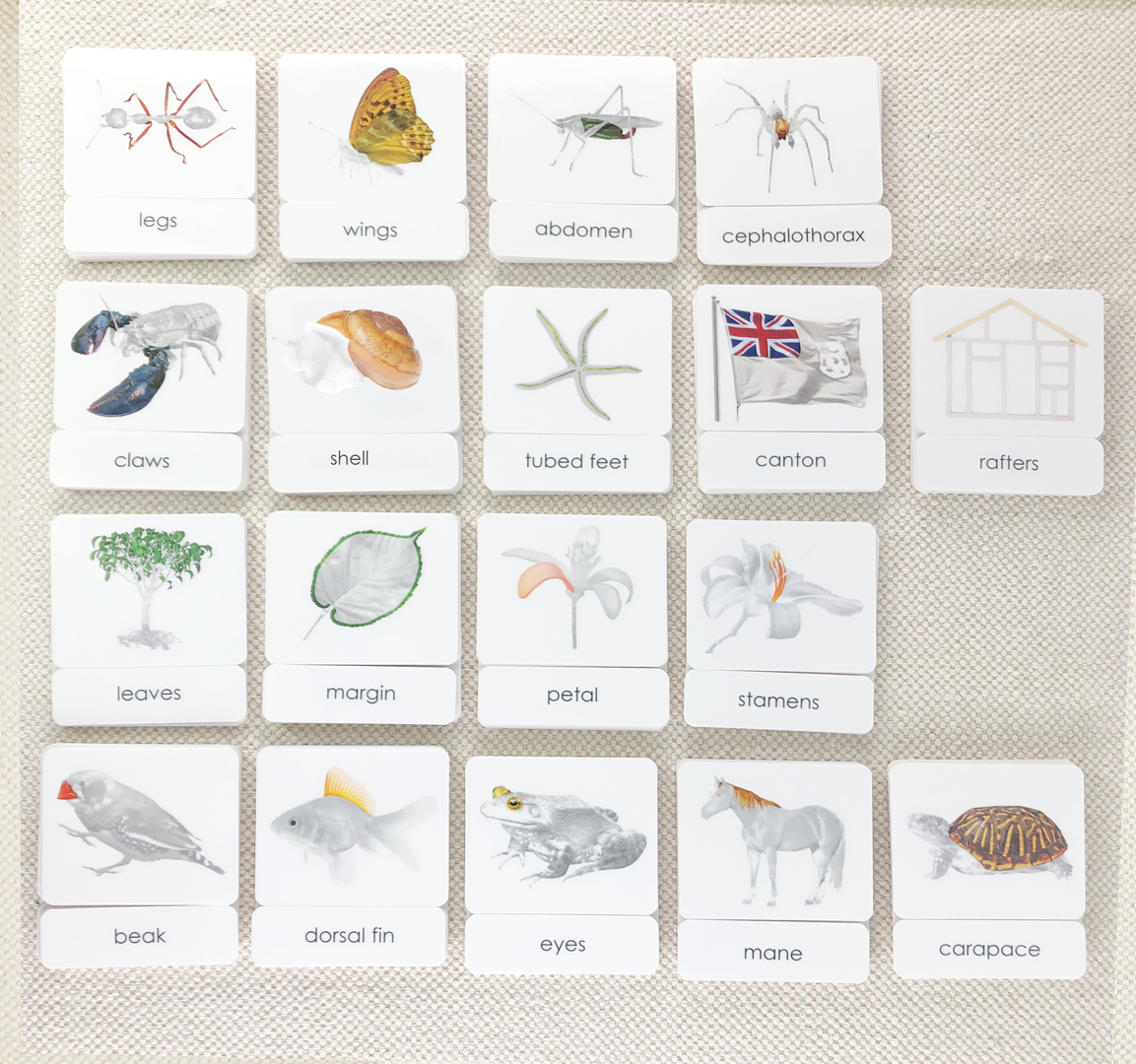
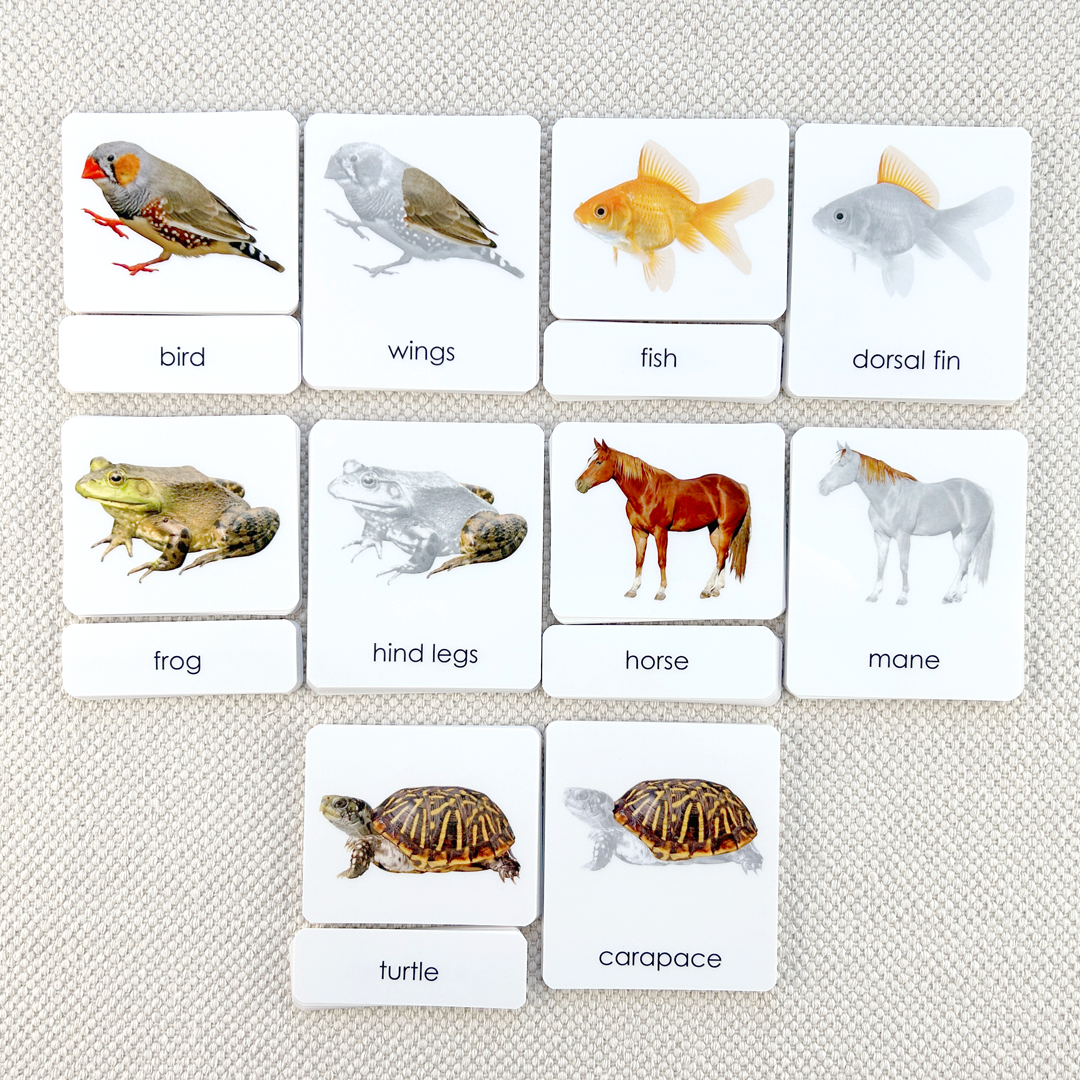
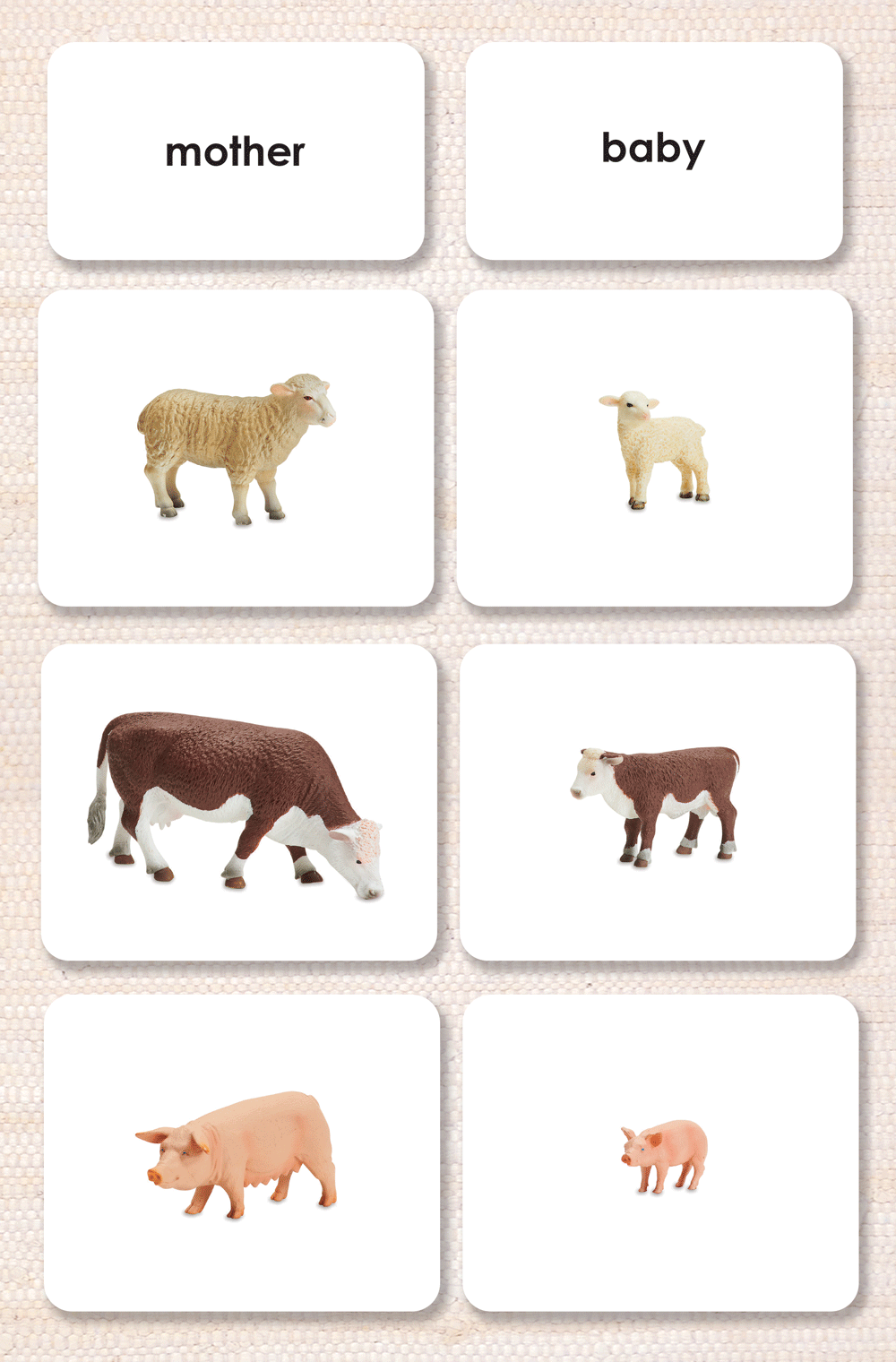
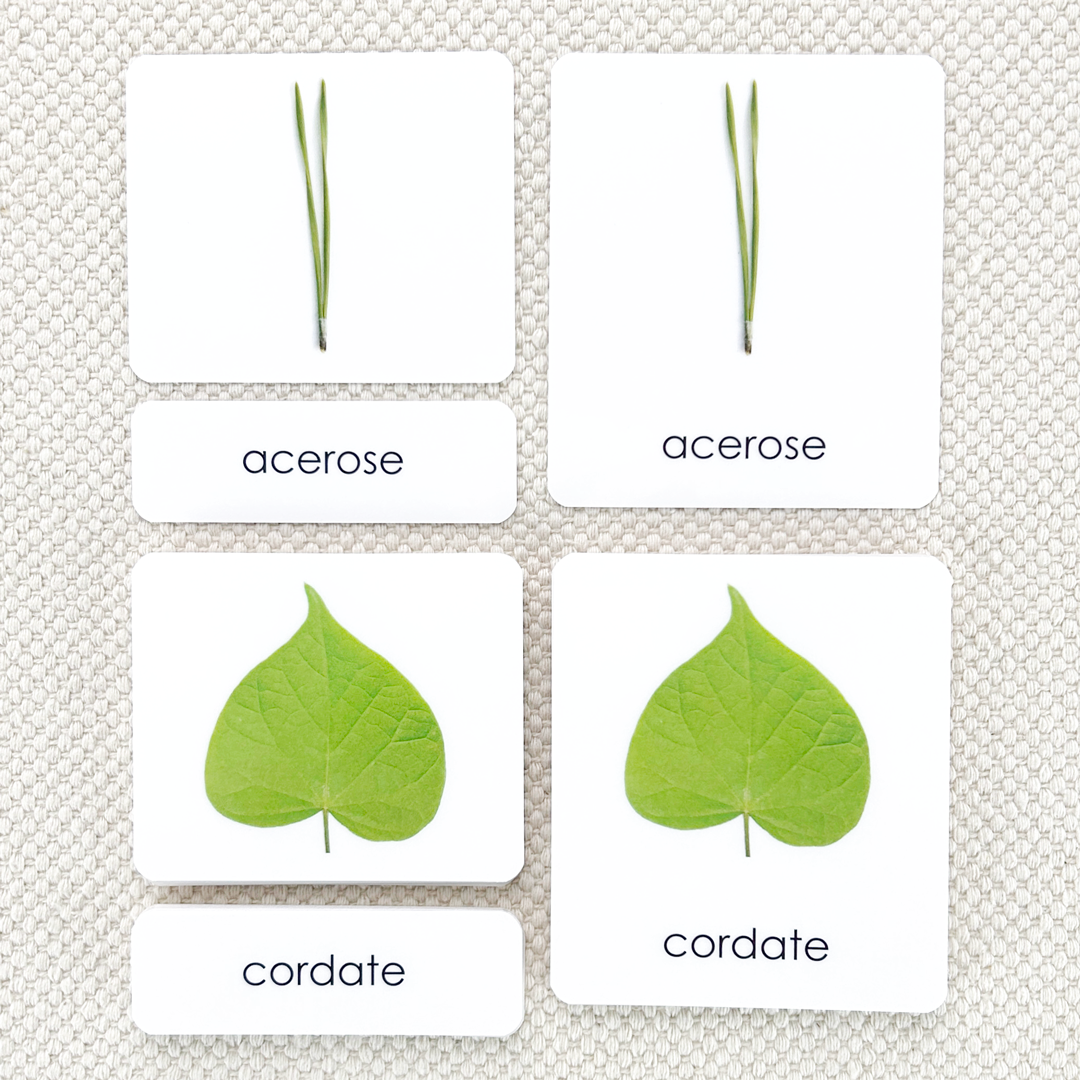
- "Parts of" 3-Part Cards: the external parts of plants and animals
Why reading fluency materials matter for reading
Once students can decode, they need lots of practice reading real words so that recognition becomes quick and automatic. That frees their attention for meaning. In Scarborough's (2001) reading rope, word recognition becomes more automatic with practice, while vocabulary and background knowledge grow on the language comprehension side. 3-Part Reading Cards work on both. The word labels give students word-reading practice, and the real photos build vocabulary and knowledge about the world.
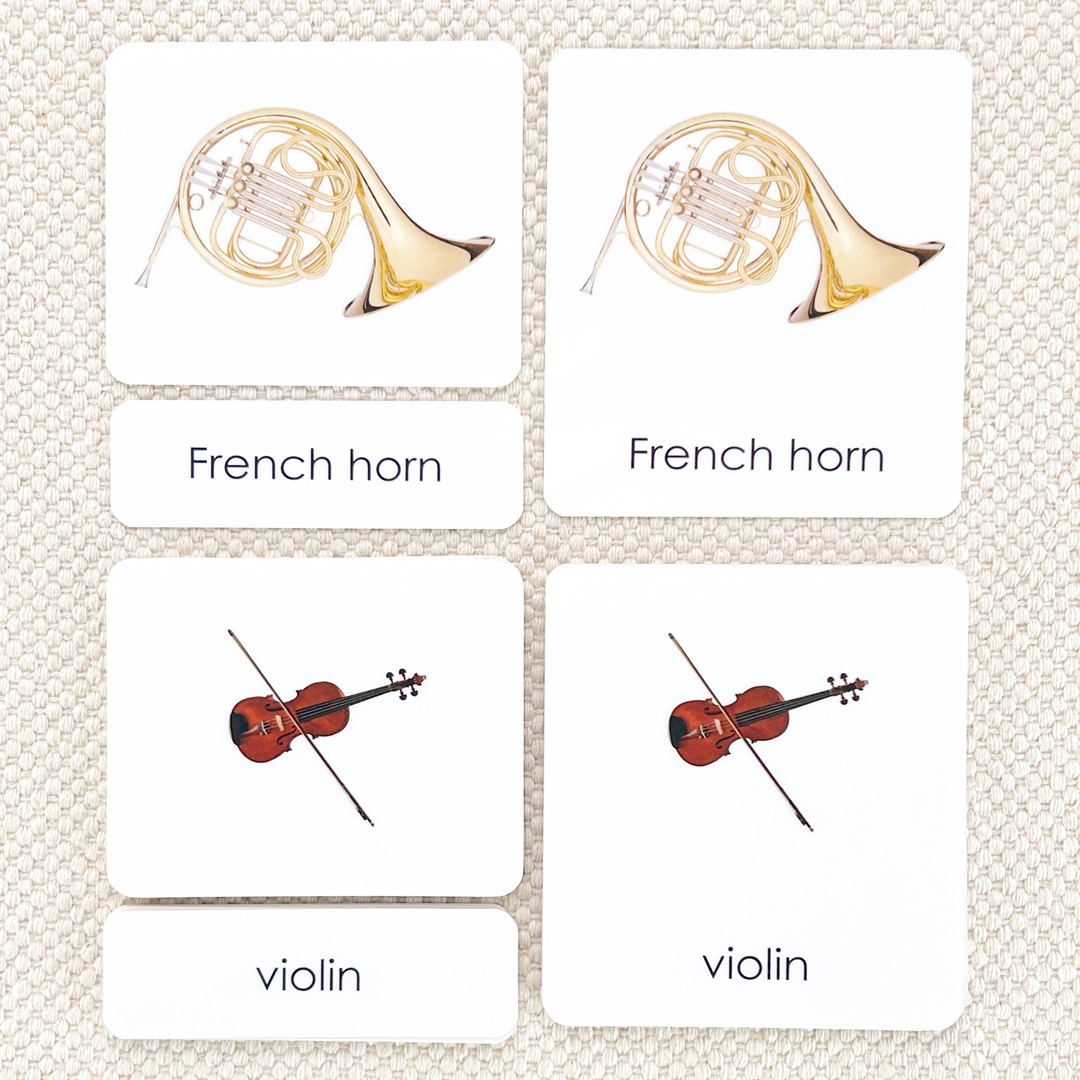
The photos also act as a scaffold. When a student meets a word they can't fully sound out, the picture helps them figure out how to say it. The control cards let them find and fix their own errors, with no teacher correction needed.
Reference
Scarborough, H. S. (2001). Connecting early language and literacy to later reading (dis)abilities: Evidence, theory, and practice. In S. B. Neuman & D. K. Dickinson (Eds.), Handbook of early literacy research (pp. 97–110). Guilford Press.
What comes next
As students read these with ease, they're ready for spelling fluency and reading comprehension work, including definition books, grammar, word study, and build-a-book sets.
Learn how Montessori and the Science of Reading align.
What does reading fluency mean?
Fluent readers read accurately, at a comfortable pace, and with natural expression. Our fluency materials focus on the first two at the word level. Students build accuracy and speed with words beyond the phonetic rules. Expression grows as students read aloud.
When is a student ready for these materials?
A student is ready after plenty of experience reading phonetic words, including words with phonograms. For many students this happens somewhere between ages 4 and 8, but the range is wide. Follow the student, not their birth date. Older students, English learners, and students in intervention benefit too.
How do you use 3-part cards?
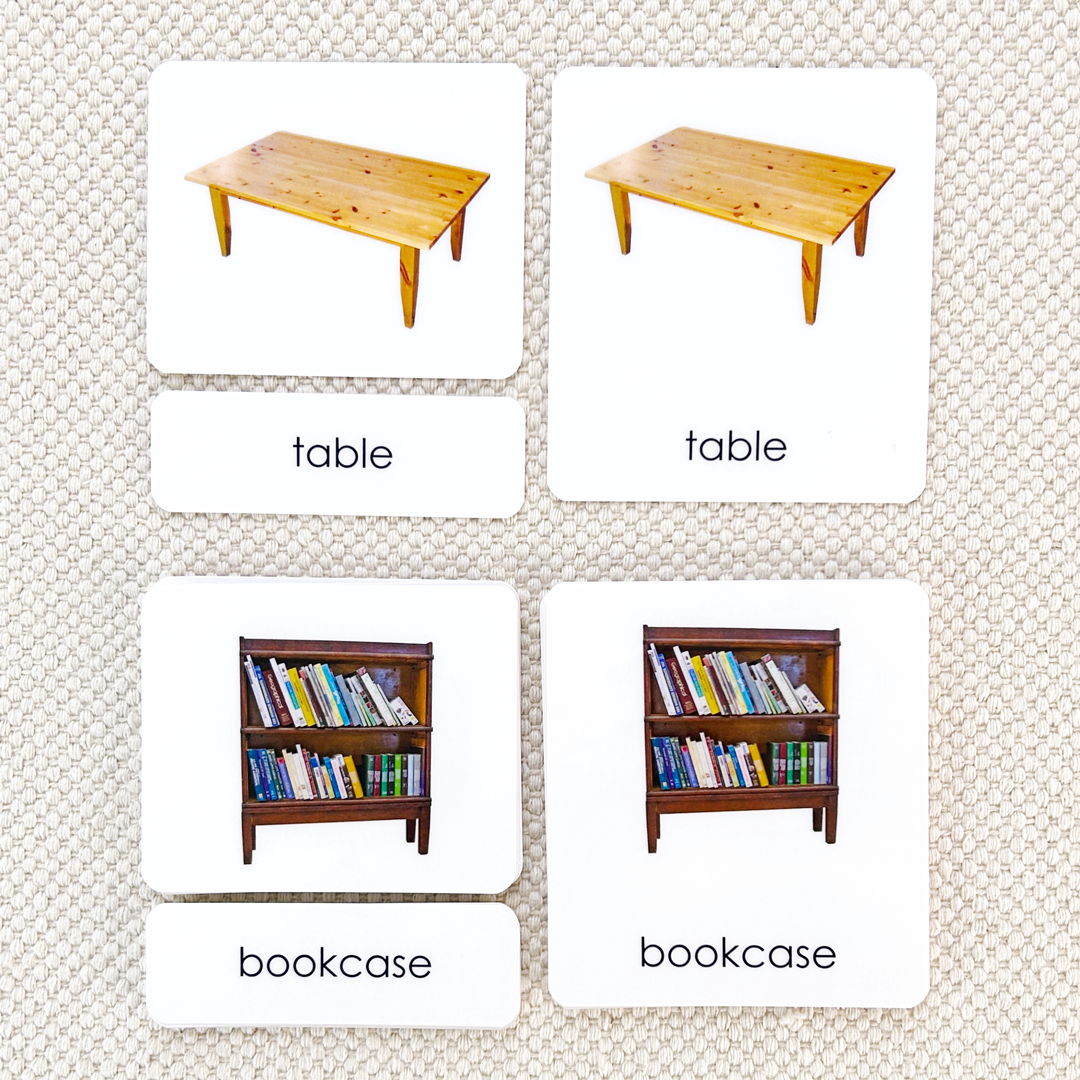
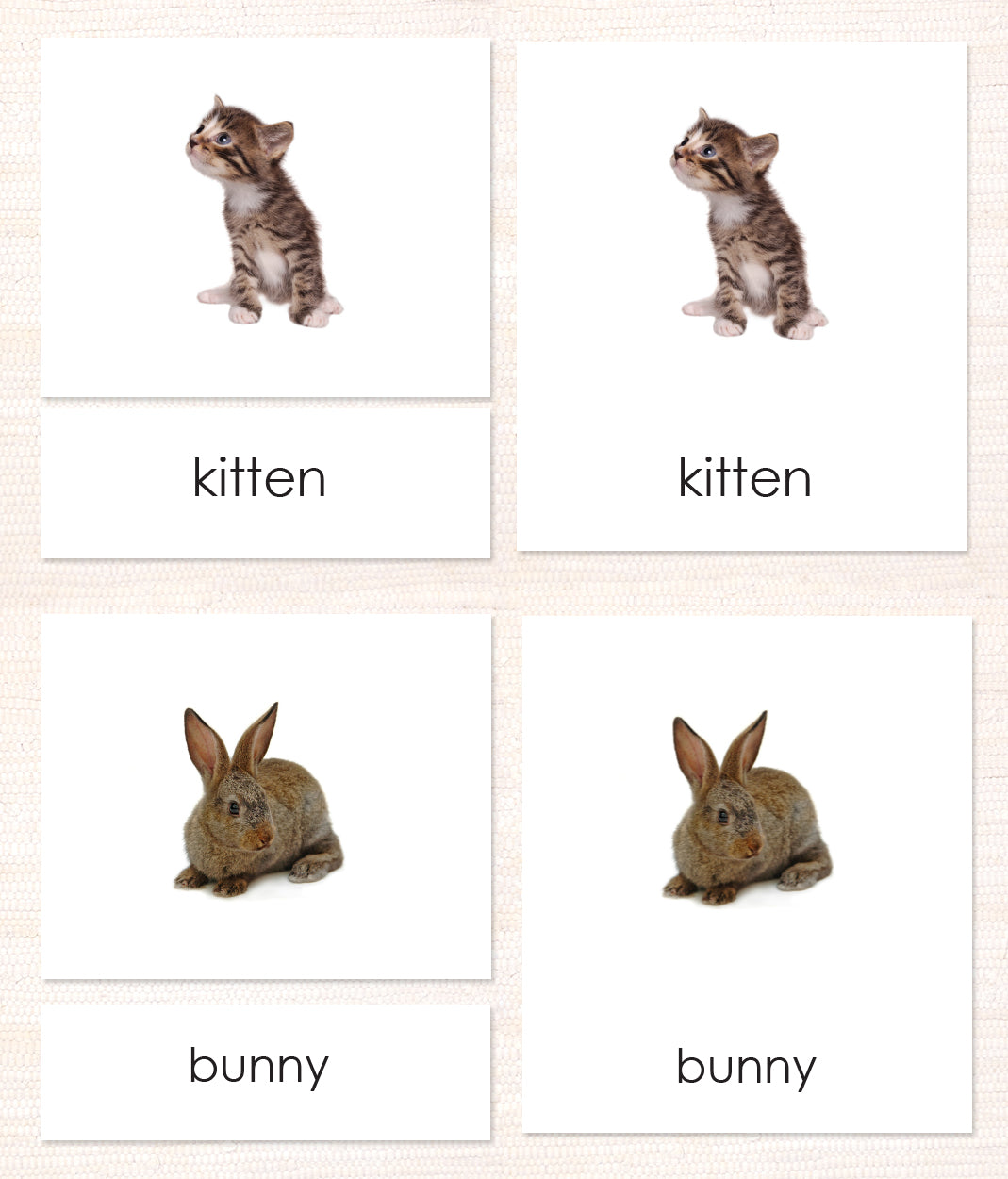
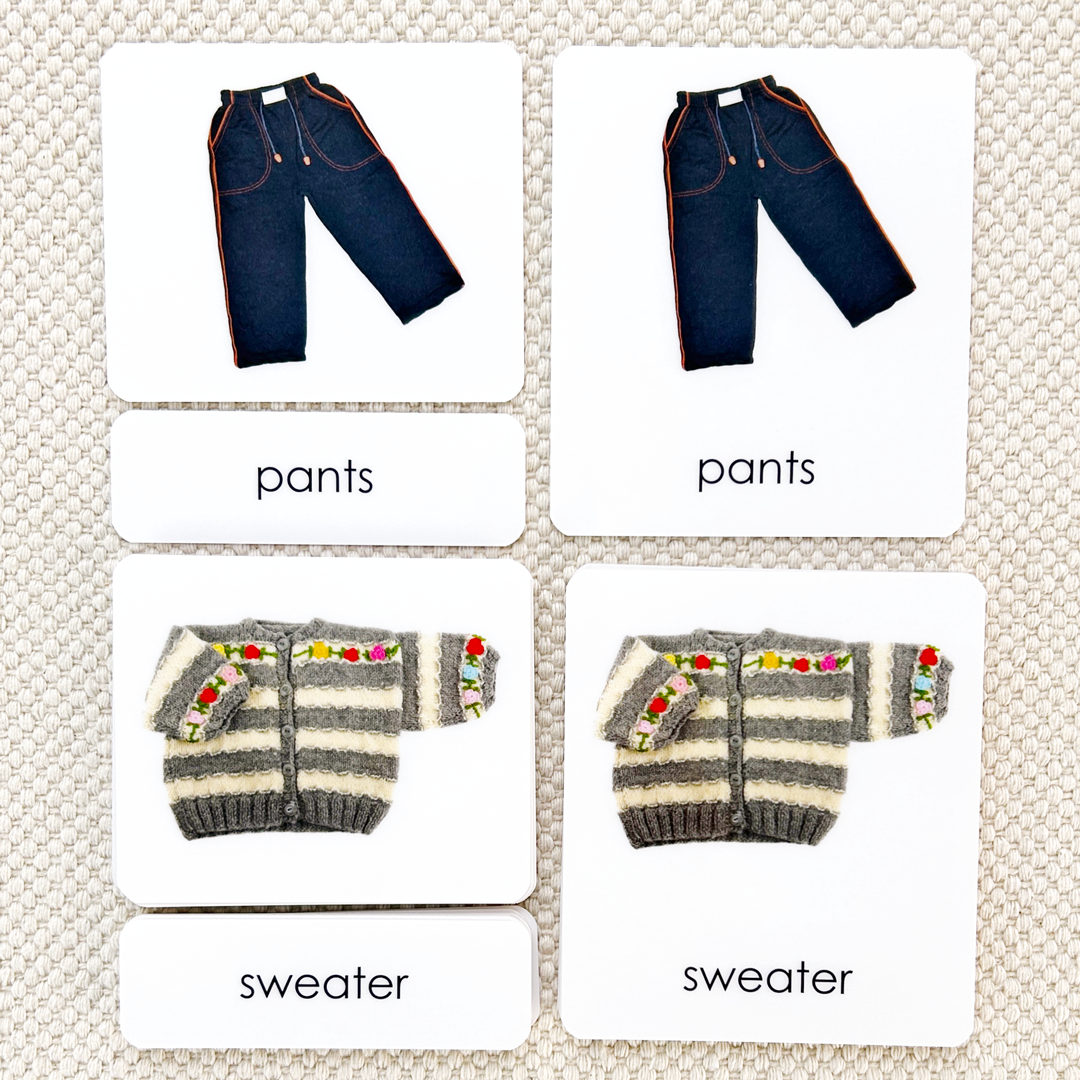
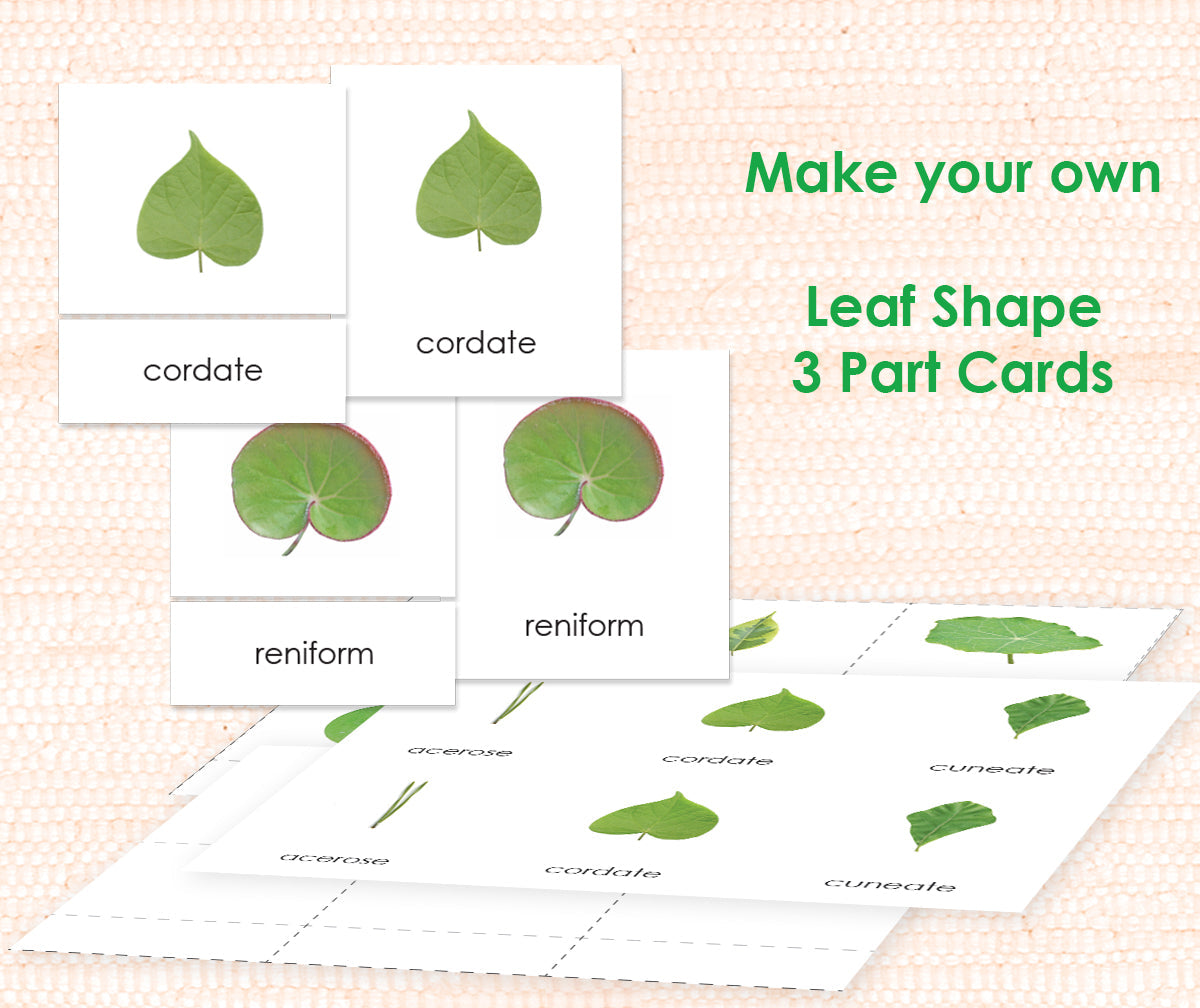
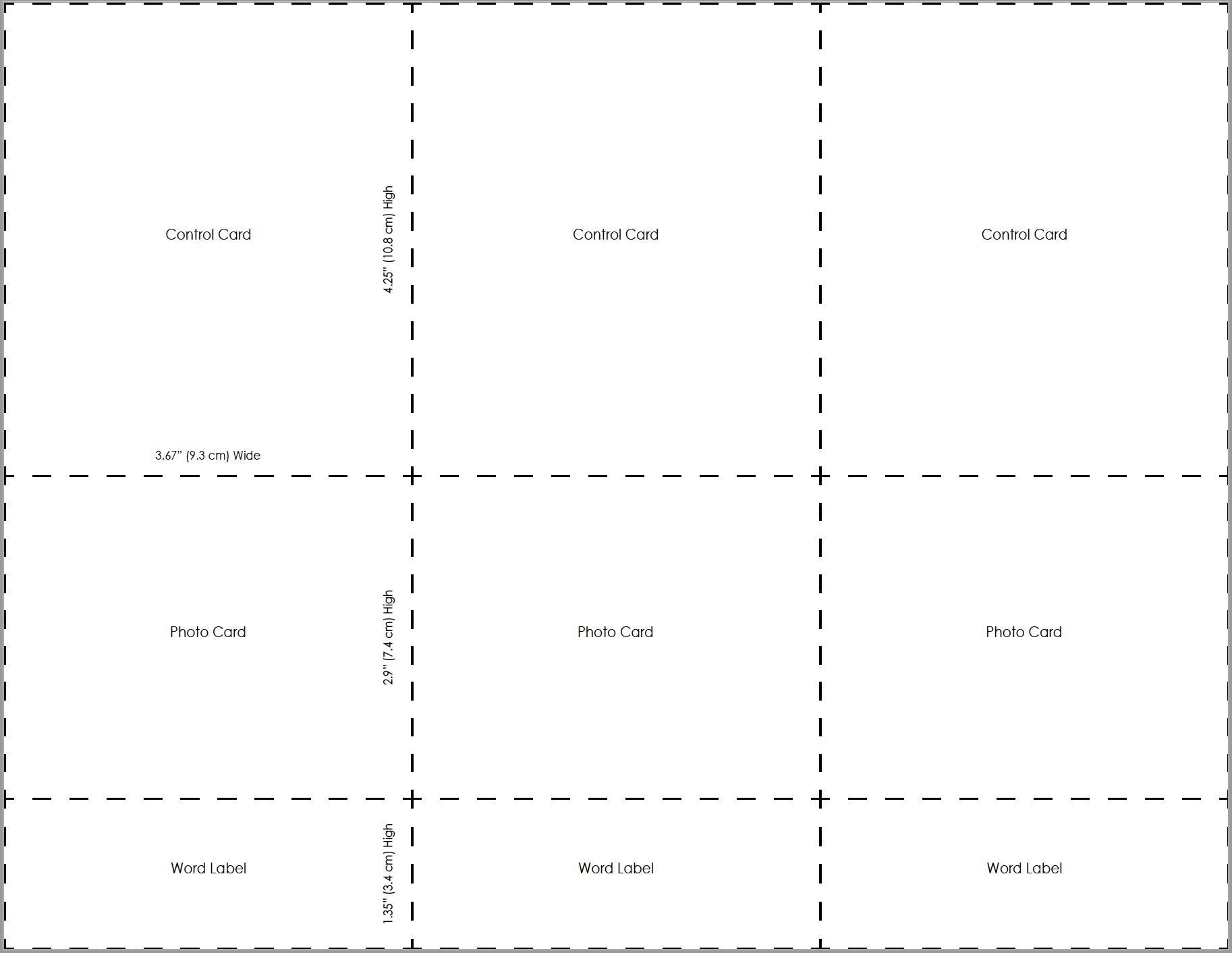
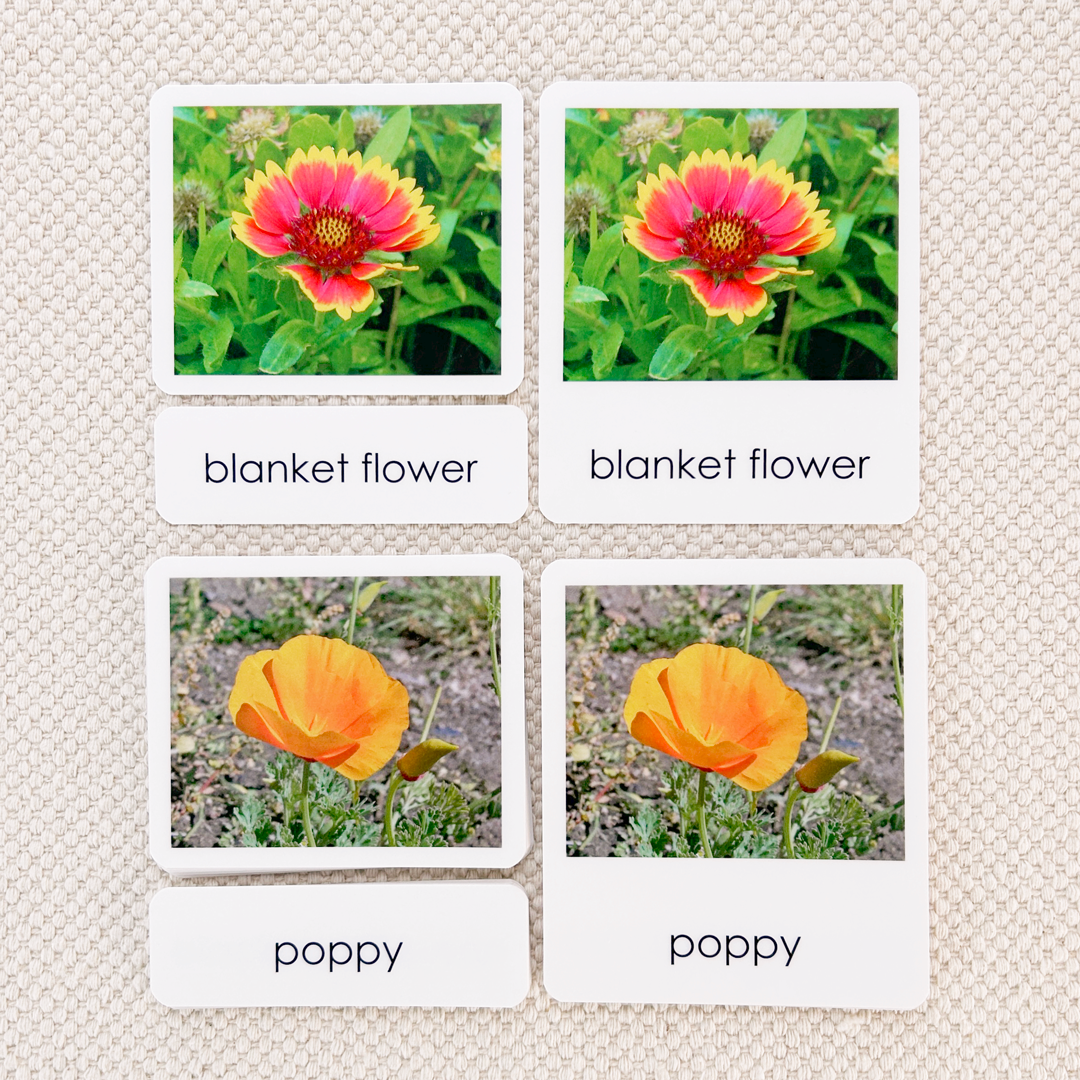
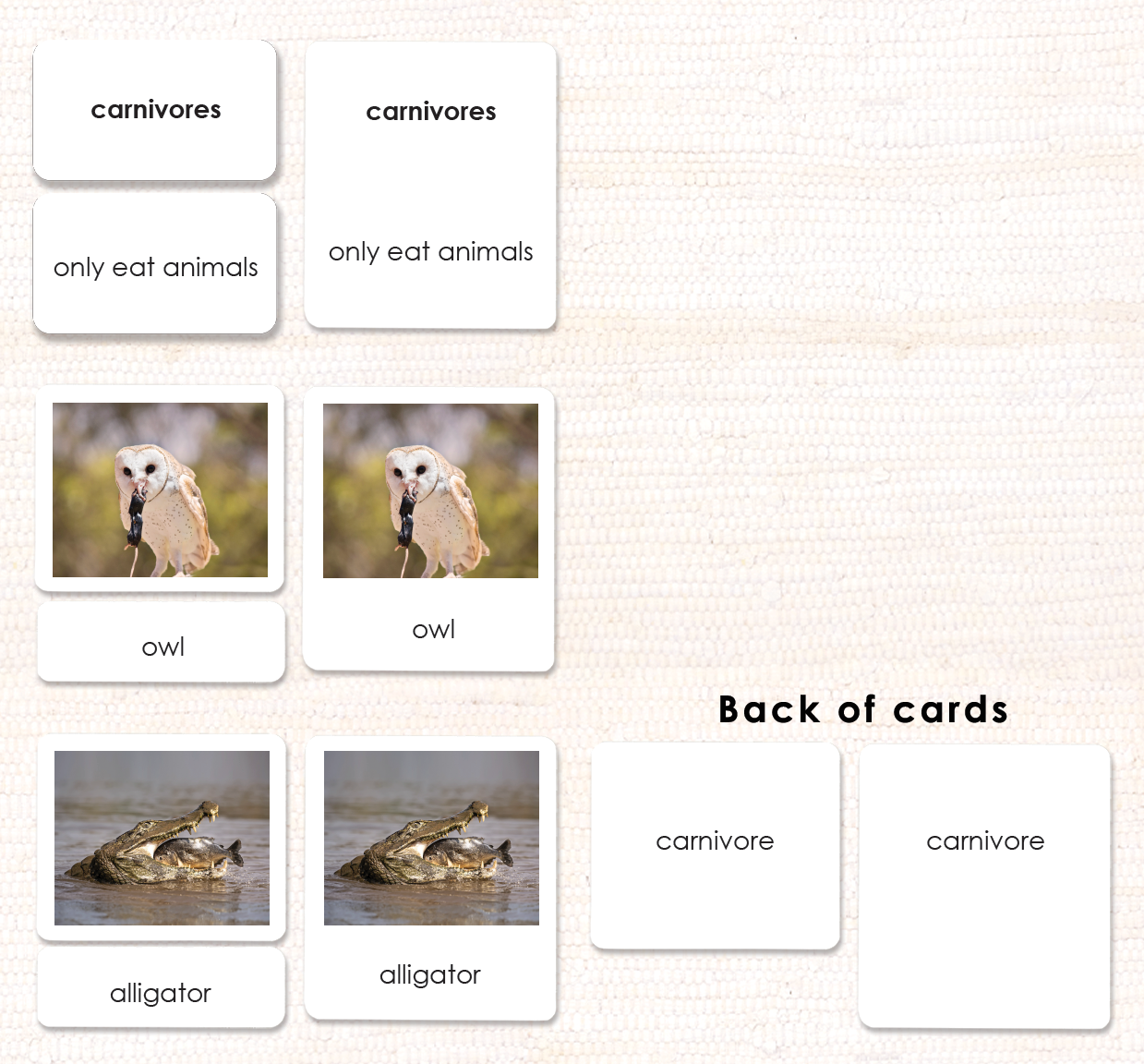
Begin by using the photo-only cards to teach vocabulary with the three-period lesson. Then lay out the photo cards, read the word labels, and match them to the photos. Finally, place each control card next to its photo and word pair to check for accuracy independently. No teacher help is required.
Which topics should I start with?
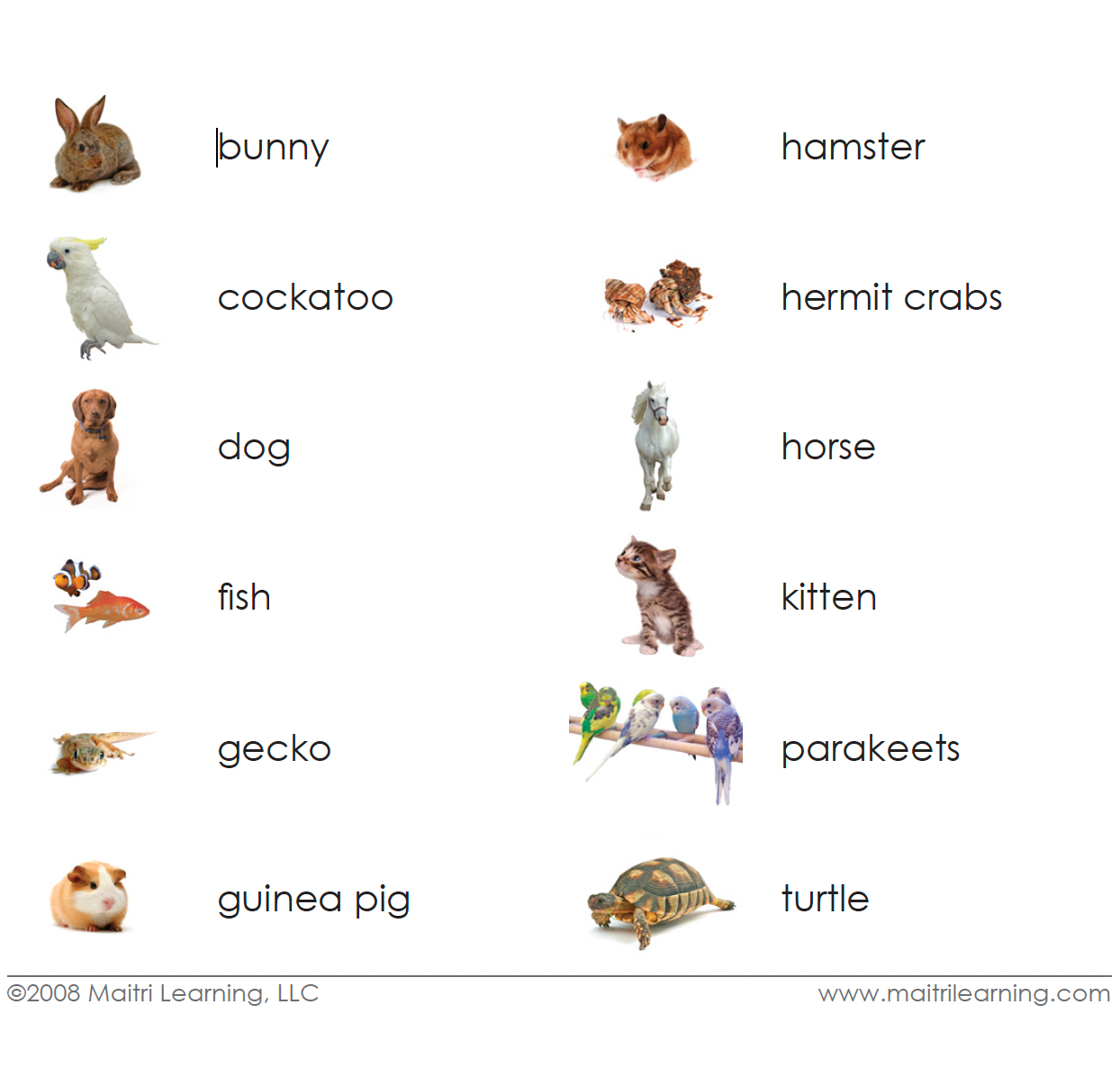
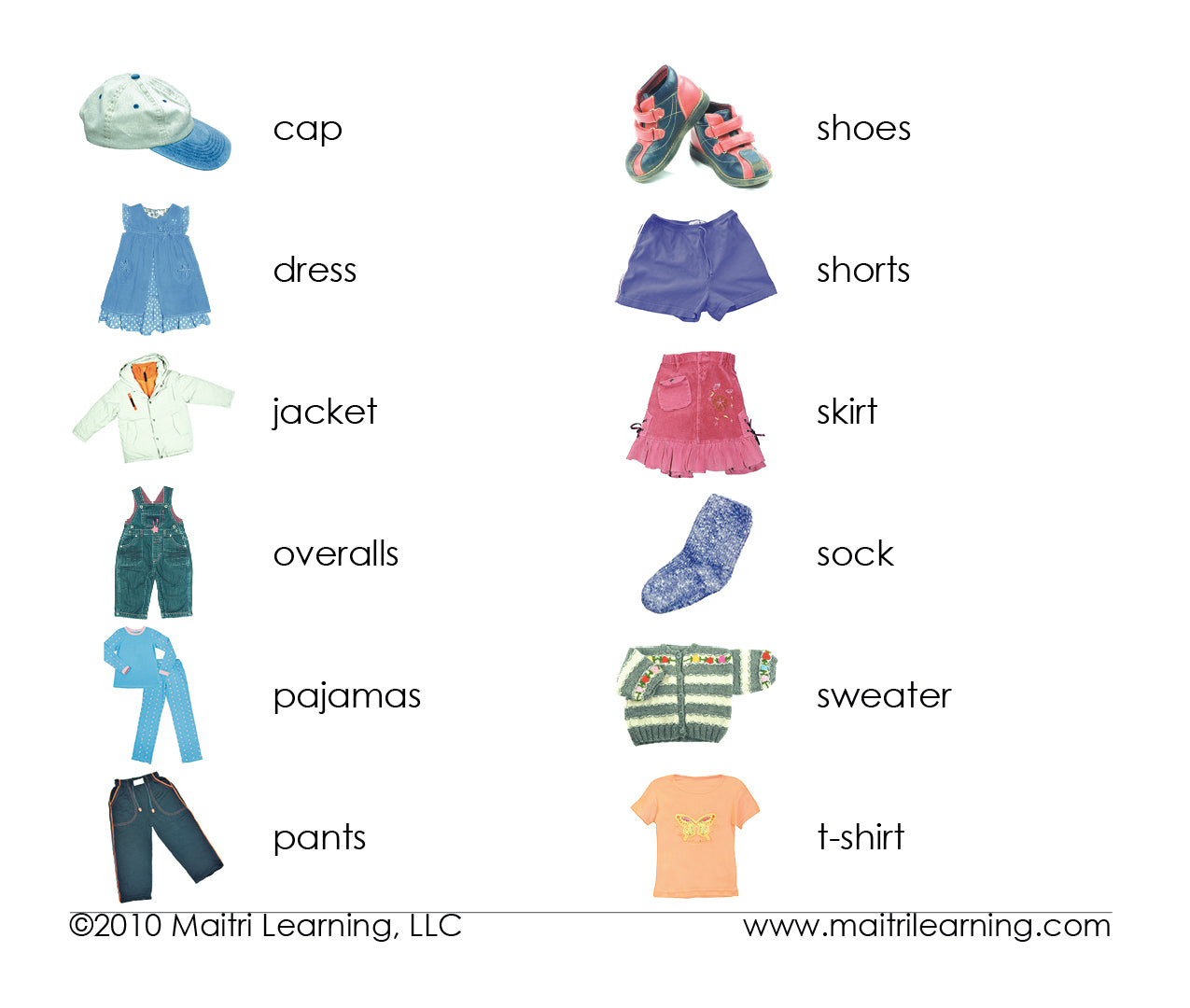
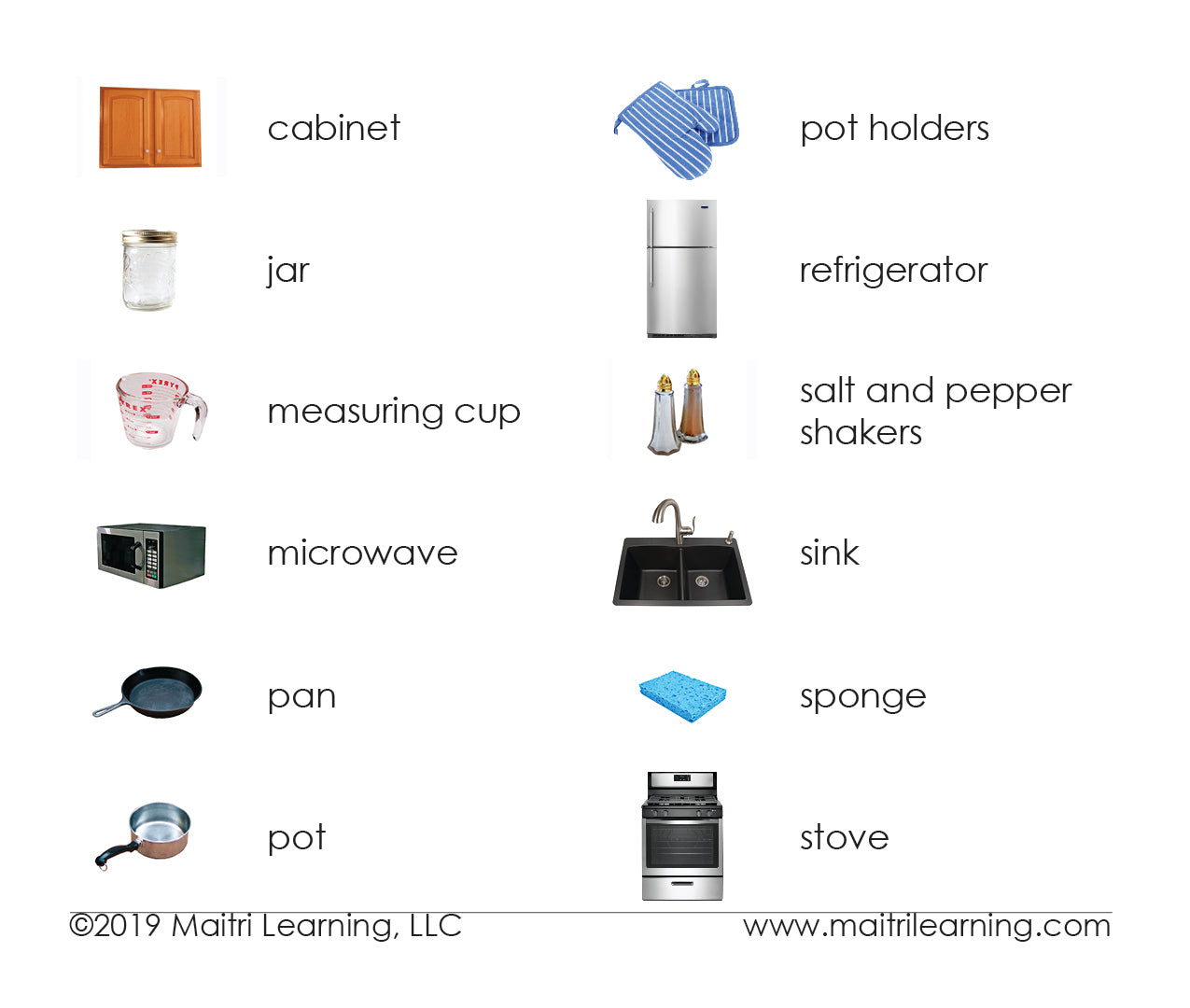
Start with what your students are curious about. Familiar topics like fruit, pets, or things around the house are an easy first step, since students already know many of the words by sight or sound. Then follow their interests into zoology, geography, art, and music. Our Common Nouns 3-Part Card Bundles are a simple way to stock a shelf with a range of everyday topics.
How should I store and display 3-part cards?
We recommend putting several titles out at one time to meet the interest of the entire room. We like to organize and display these in our 3-pocket foldover cloth pouches. (Note that each packet comes in a sturdy, clear reclosable bag that is for teacher storage only, not student use.) As students lose interest in the topics on the shelf, swap them out for different 3-part cards. You can use the same pouches in the same shelf location.
Download a PDF of our materials

Follow Us