
Reading Fluency: Zoology Kit
 Rooted in Neurodevelopment
-

See the Guided Lesson Plan
 High quality materials
 Eco-Happy
 Fun & Engaging Activities
Ages/Stages
Common Core
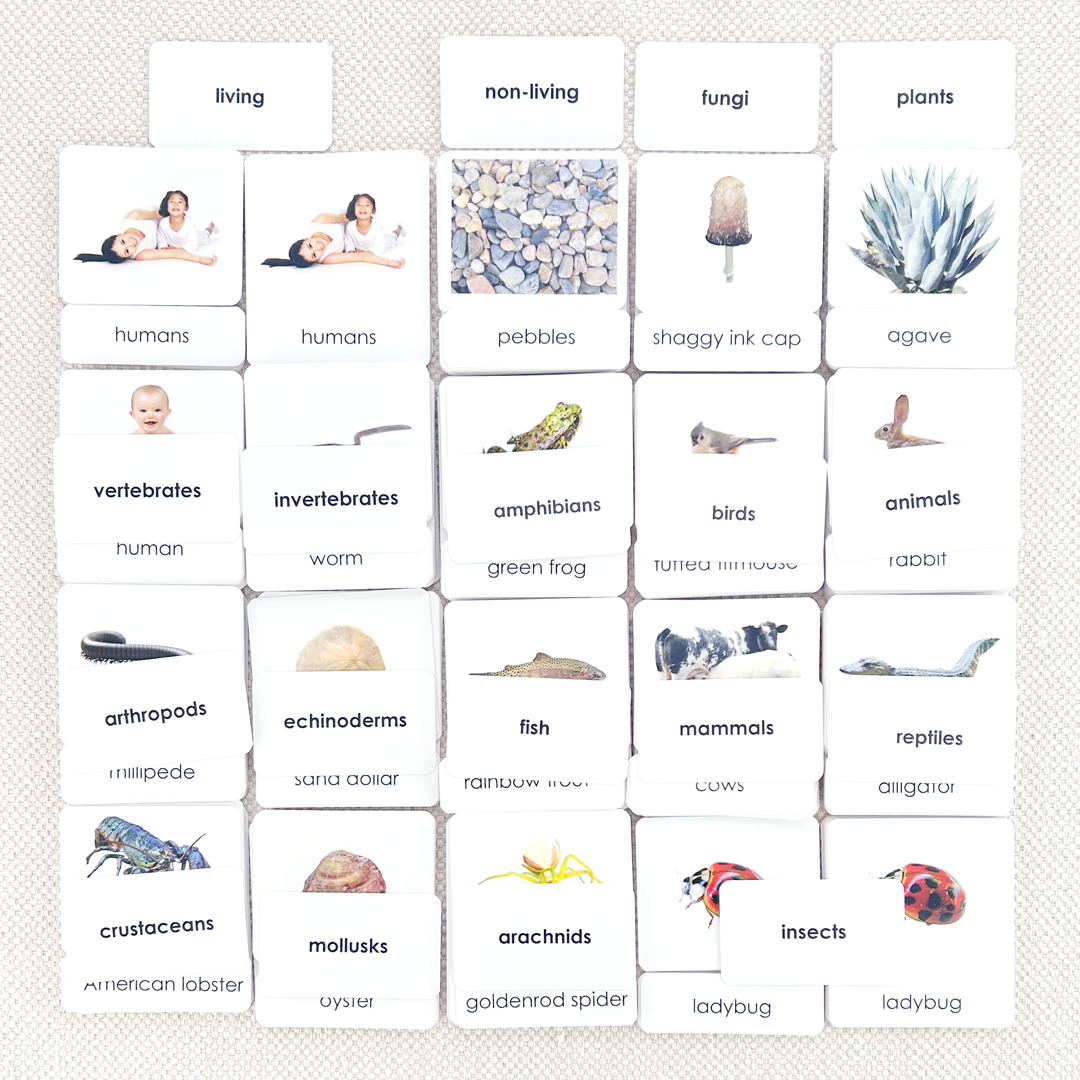
The Reading Fluency: Zoology Kit is a set of 18 Montessori 3-part card packets that build reading-word recognition and zoology knowledge simultaneously. A classic Montessori material that is aligned with Science of Reading principles, these 3-part cards build reading fluency through repeated, self-correcting practice — strengthening orthographic mapping and vocabulary acquisition at the word level. Designed for Ages 5+
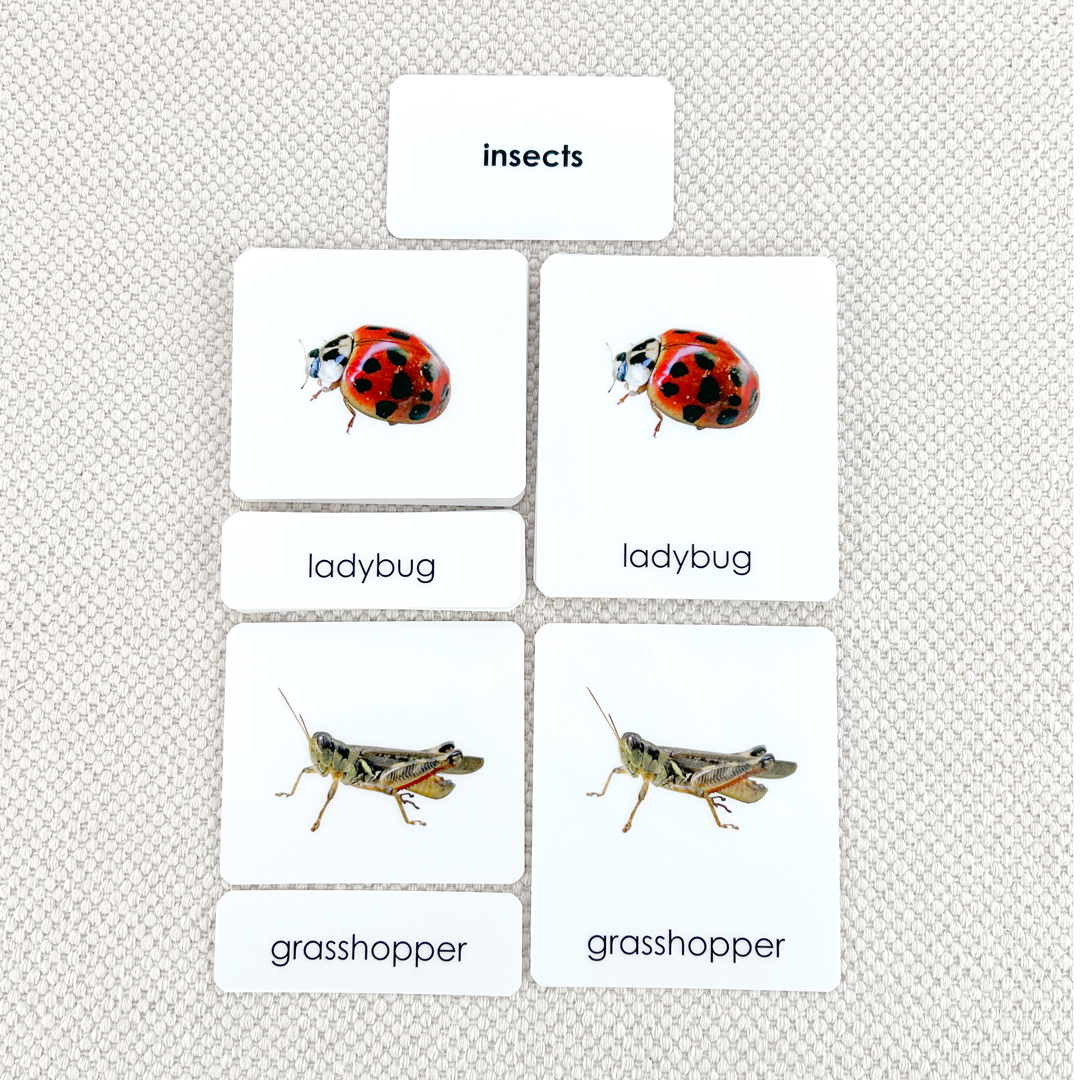
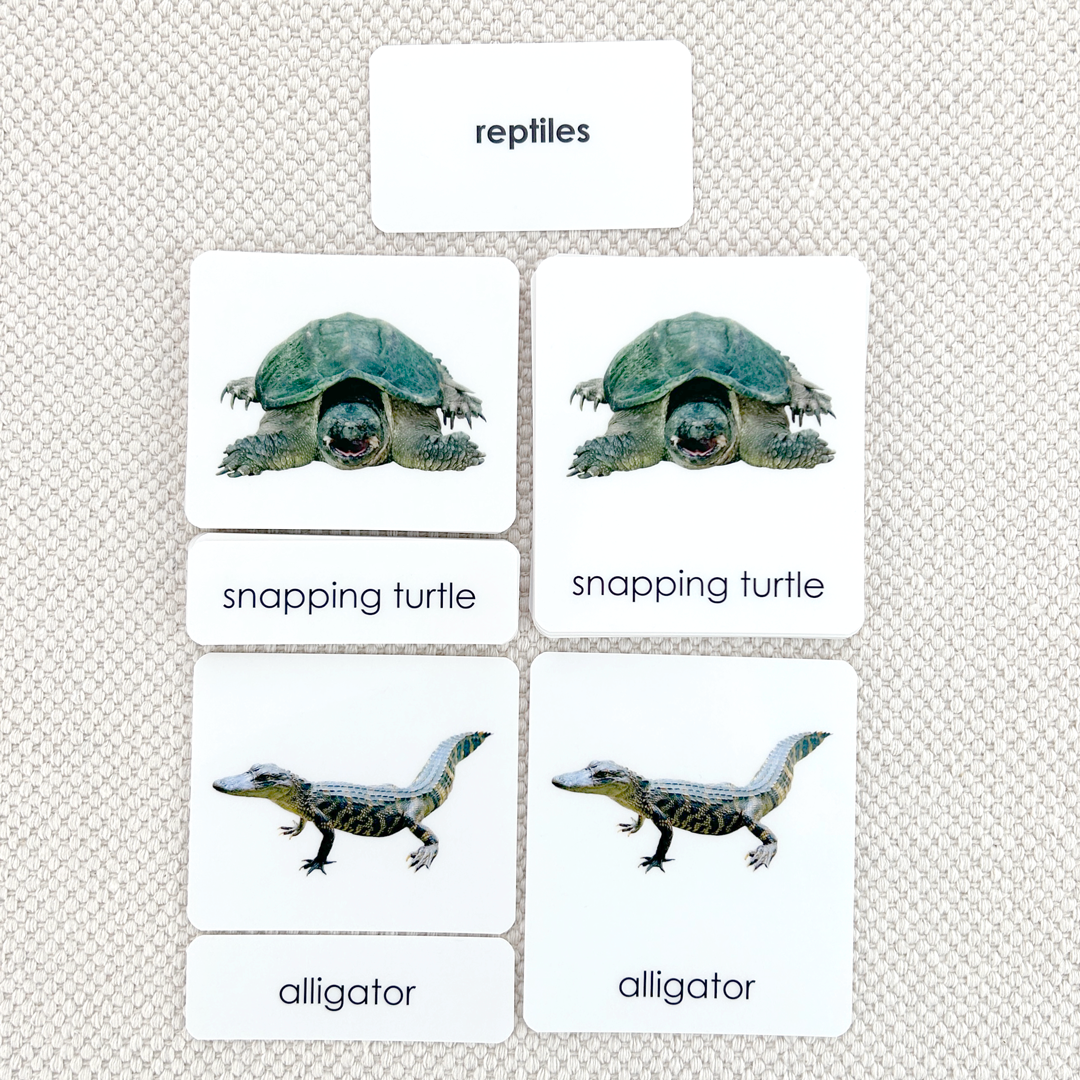
The 3-part format is built for independent reading. Students lay out the photo card, read and match the word labels to the photo cards, and then use the control cards to check their own work.
What's included
- 18 packets of zoology 3-part reading cards, covering: Living, Non-Living, Plant Kingdom, Fungi Kingdom, Animal Kingdom, Vertebrates, Invertebrates, Amphibians, Birds, Fish, Mammals, Reptiles, Echinoderms, Mollusks, Arthropods, Crustaceans, Arachnids, and Insects
- Each packet features 12 to 18 photos in a 3-part format (36 to 54 cards per packet)
- A Natural World/Zoology Chart showing all 18 packets in taxonomical order (also available as a free download)
- A detailed lesson plan with ideas for use
All cards are eco-made in the USA, are laminated with a food-grade laminate, have rounded corners, and are ready to use right out of the box. CPSIA compliant.
Why does reading fluency matter?
Scarborough's Reading Rope groups sight recognition alongside phonological awareness and decoding in the Word Recognition strand — the strand responsible for reading words accurately and automatically (Scarborough, 2001). Every time a child matches a new zoological term to its photograph through the 3-part format, they're strengthening orthographic mapping: bonding a word's sounds, spelling, and meaning in memory so it can later be read on sight rather than sounded out letter by letter (Ehri, 2014). With 18 packets spanning everything from insects to mammals to fungi, every child is likely to find a subject that hooks their interest — and interest drives learning, so even reluctant readers may persist through repeated, self-correcting practice when the subject is one they're curious about.
What is the Science of Reading?
The Science of Reading is the interdisciplinary body of research — from cognitive psychology, linguistics, and neuroscience — explaining how children learn to read. It identifies two foundational components of skilled reading: language comprehension and word recognition (decoding), which combine to produce reading comprehension (Gough & Tunmer, 1986).
What is the Word Recognition strand of Scarborough's Reading Rope?
Word Recognition is one of the two main strands of Scarborough's Reading Rope, made up of phonological awareness, decoding, and sight recognition of familiar words (Scarborough, 2001). This kit targets sight recognition directly: as children repeatedly match and read zoological names, those words move from being sounded out to being recognized automatically, freeing attention for comprehension.
How do you use 3-part cards?
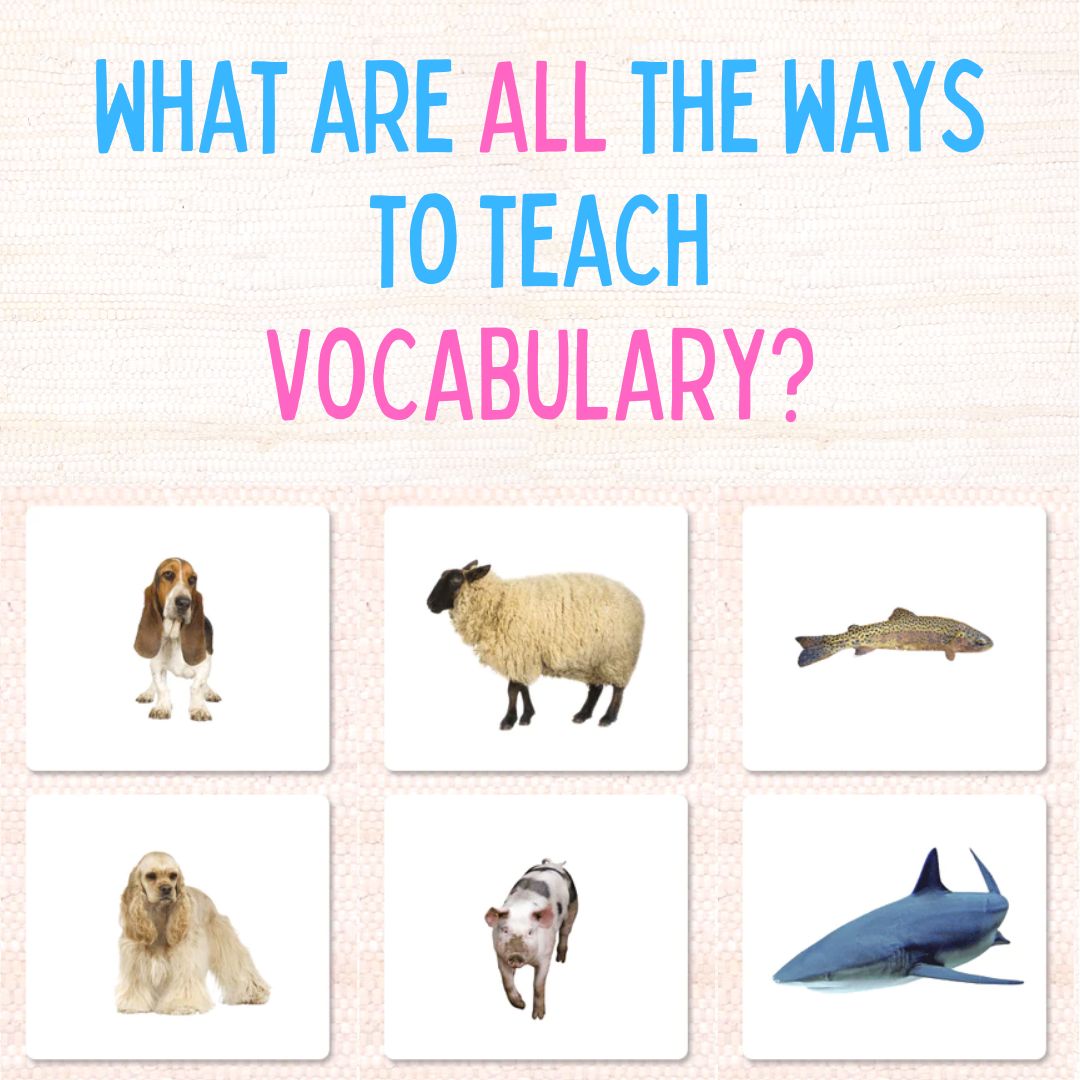
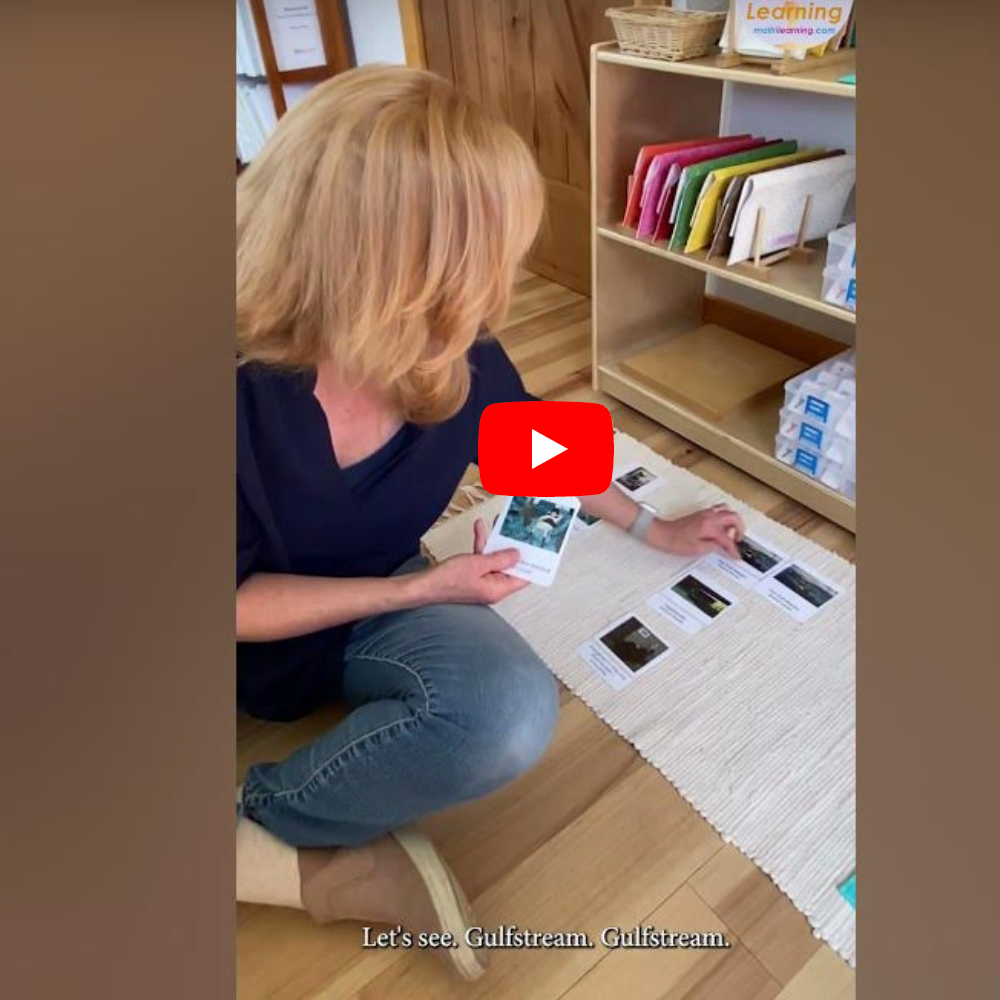
Begin by using the photo-only cards to teach vocabulary (via the 3-period lesson). Then, use the photo-only cards for sorting work. Add in the sorting labels for children who are reading. Finally, when students are stretching past phonetic reading, use all three parts: lay out the photo cards, read and match the word labels to the photos, and use the control cards to check for accuracy independently (no teacher help required).
What ages is this kit designed for?
Typically Kindergarten (ages 5–6) through grade 3, plus intervention use. Students are ready for this material once they can read basic phonetic words and are beginning to stretch into non-phonetic vocabulary. However, students of any age can benefit from these cards if they:
- Can read phonetically
- Are curious about the natural world
- Need practice reading
- Prefer self-correcting activities to teacher correction
How is this kit Montessori-aligned?
The 3-part card format is a classic Montessori material: children work independently, using the control cards to verify and correct their own reading without adult intervention, and progress through packets that follow the child's own interests.
Product Details
Choose options
Included In This Bundle





Knowledge Bank
Recommended Articles
Download a PDF of our materials

Follow Us