
Montessori Spelling Fluency





More Information:
Montessori Spelling Fluency
Our spelling materials teach students the common ways English spells each key sound, such as the many ways to write the "ee" sound: ee, ea, e-e, ei, and y. Inspired by AMI Montessori trainer Muriel Dwyer, these Montessori materials take a logical, sequential approach, so students learn spelling variations one key sound at a time instead of memorizing lists.
What's in this collection
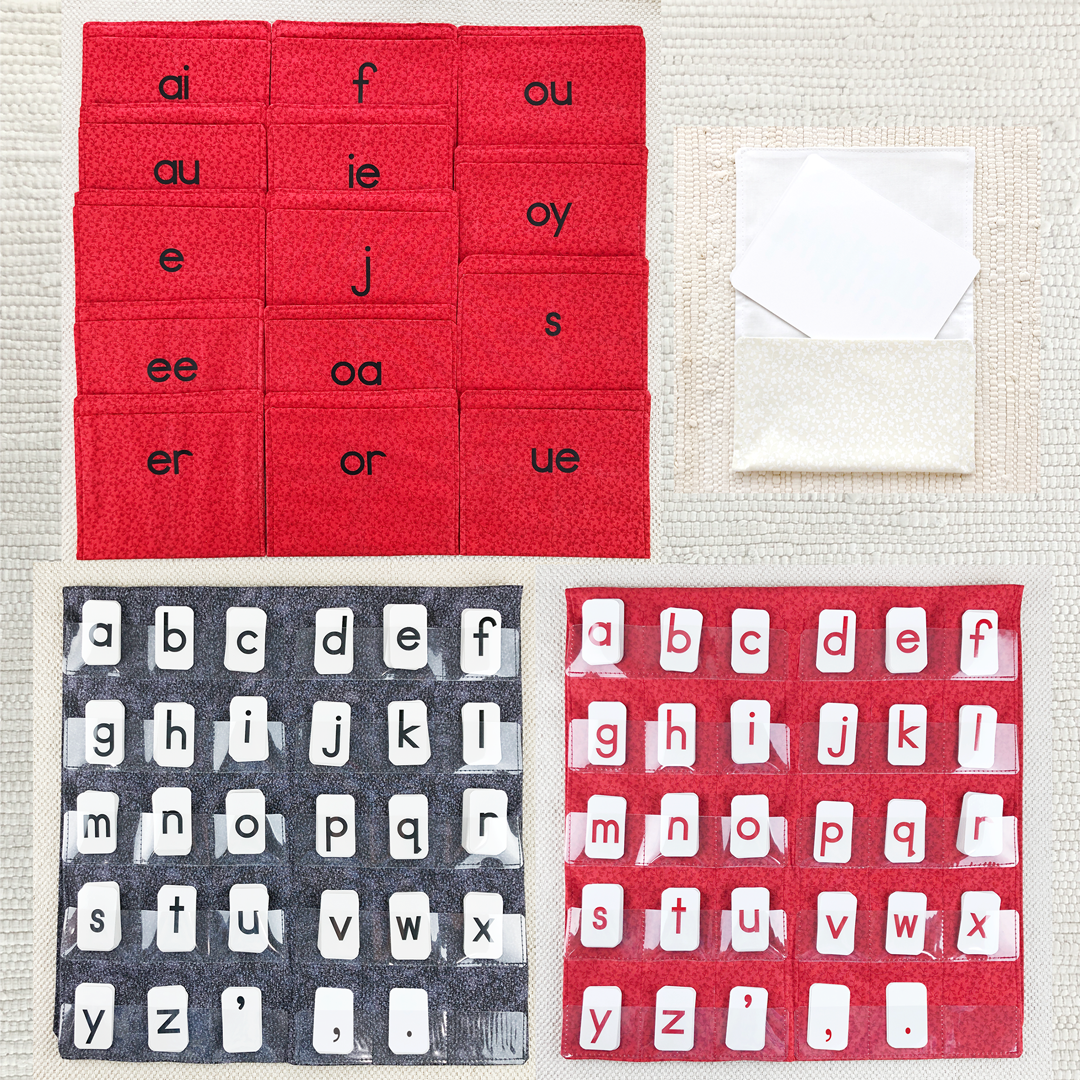
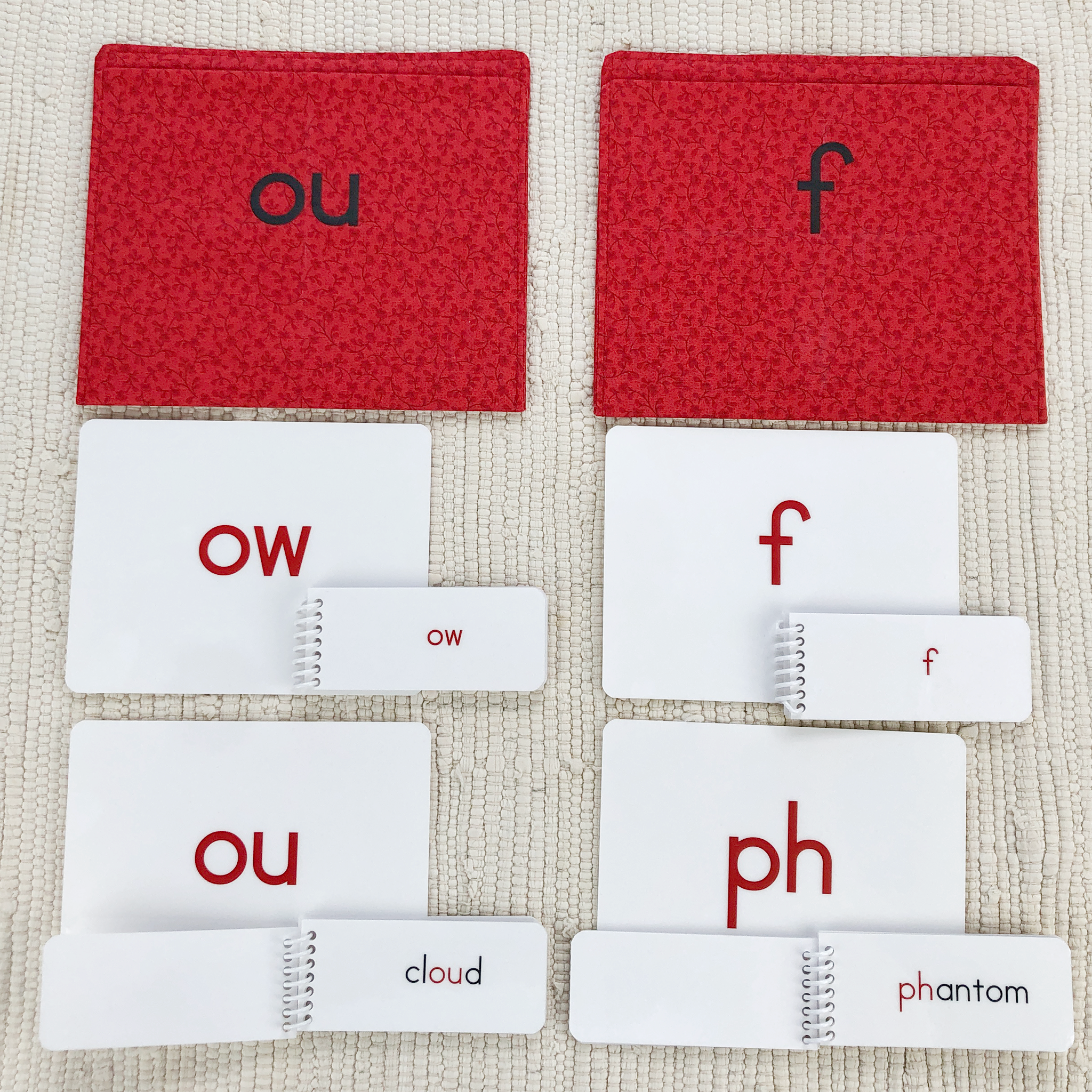
- Phonogram Spelling Folders: 14 folders, each holding the cards and booklets for one key sound and its common spellings (42 cards and 42 booklets in the full set).
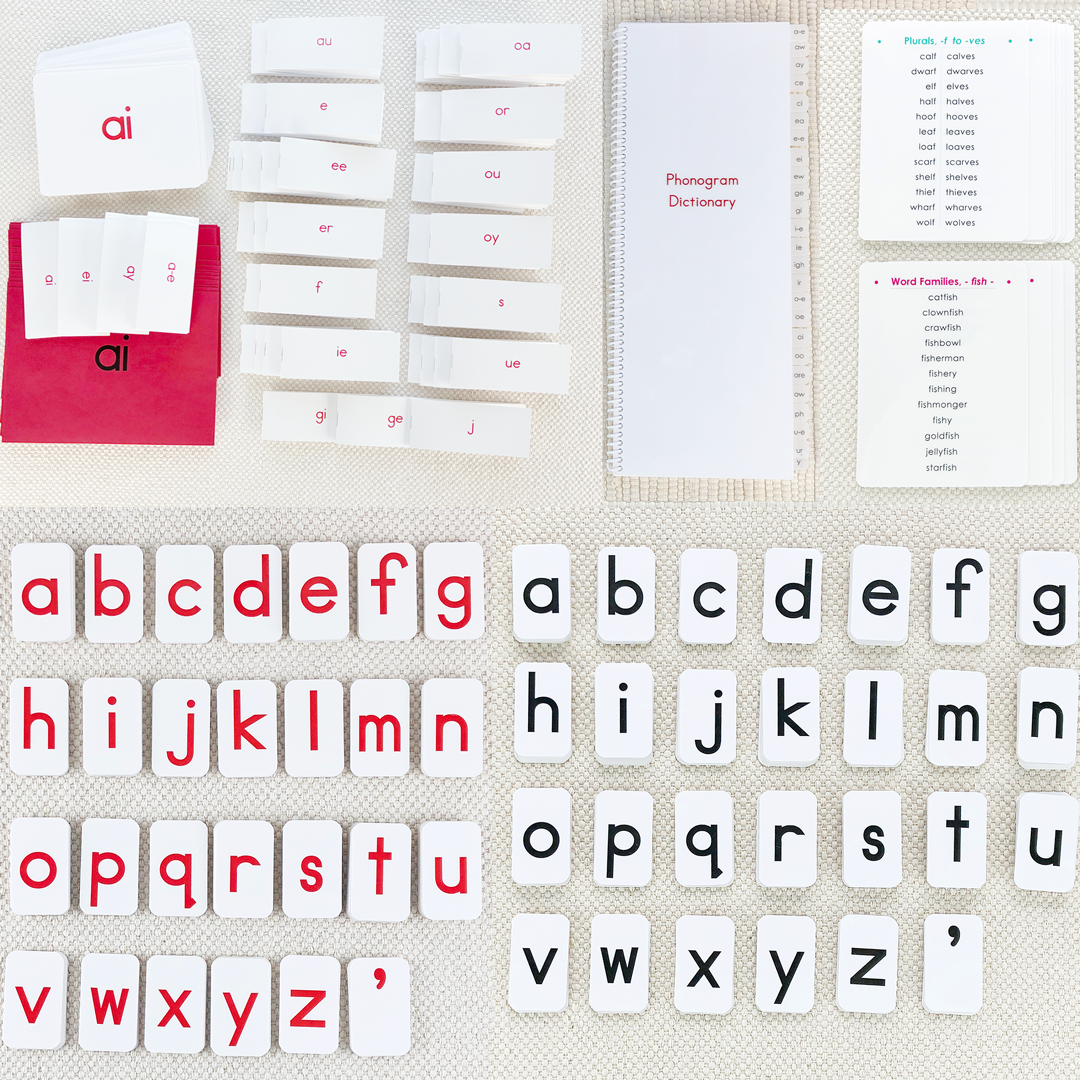
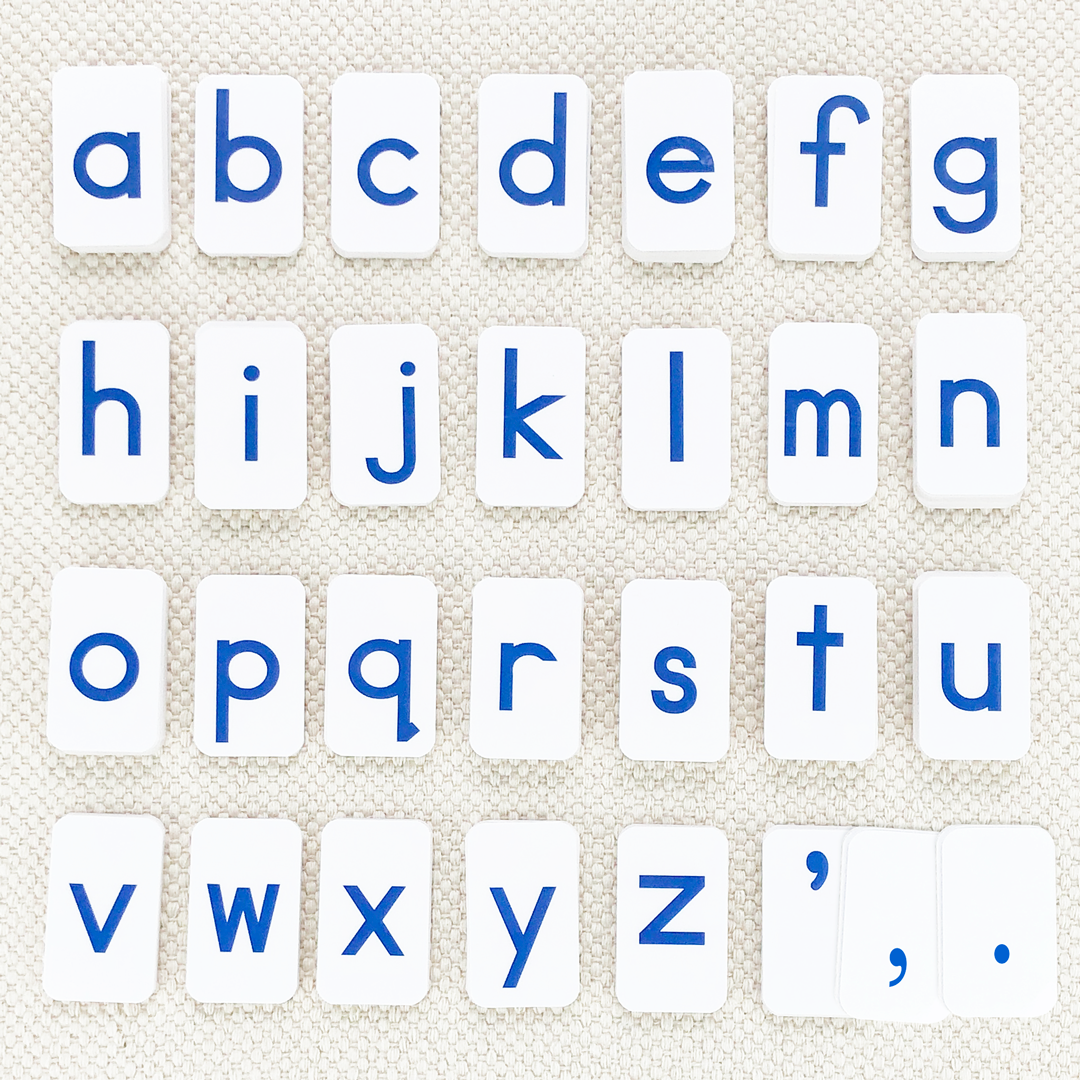
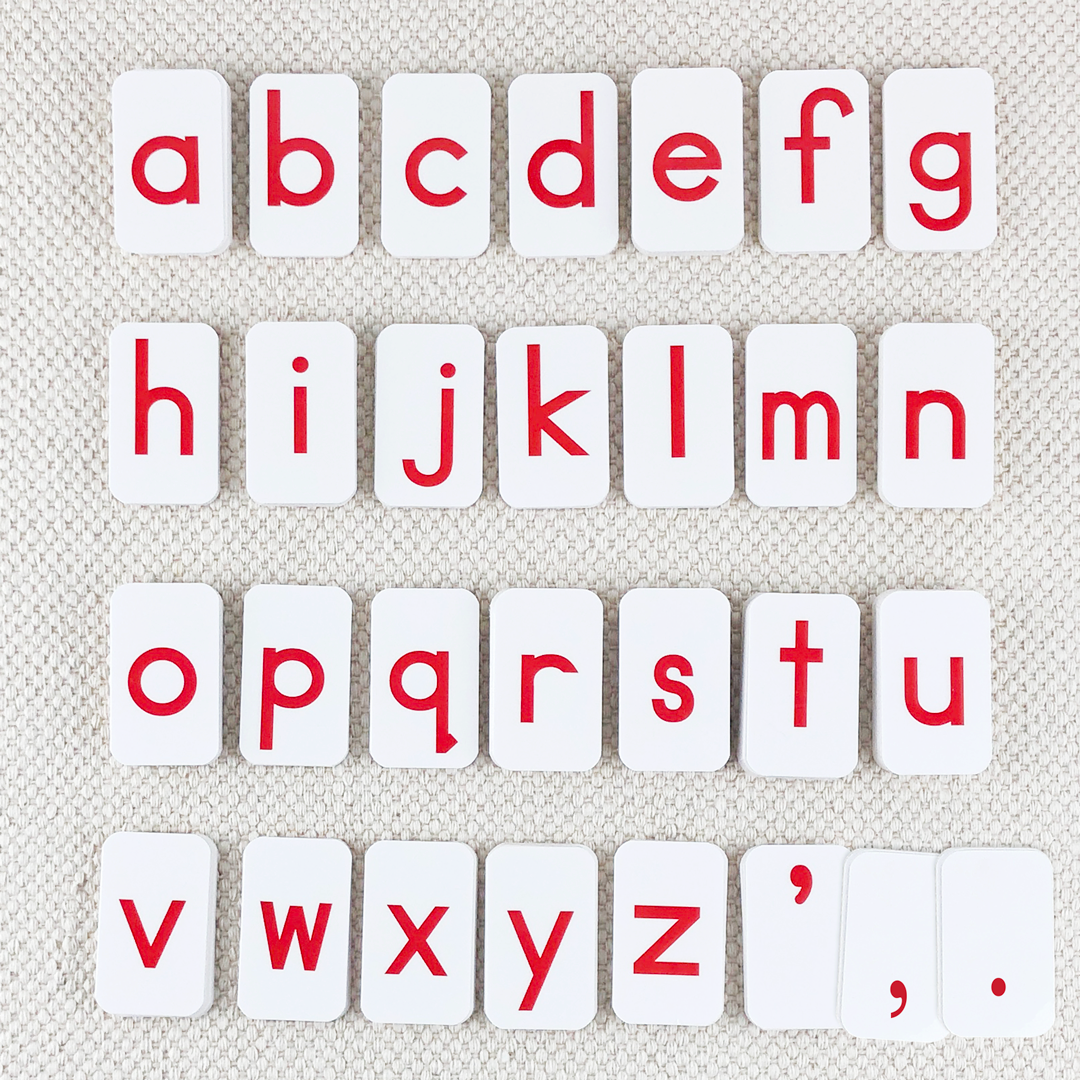
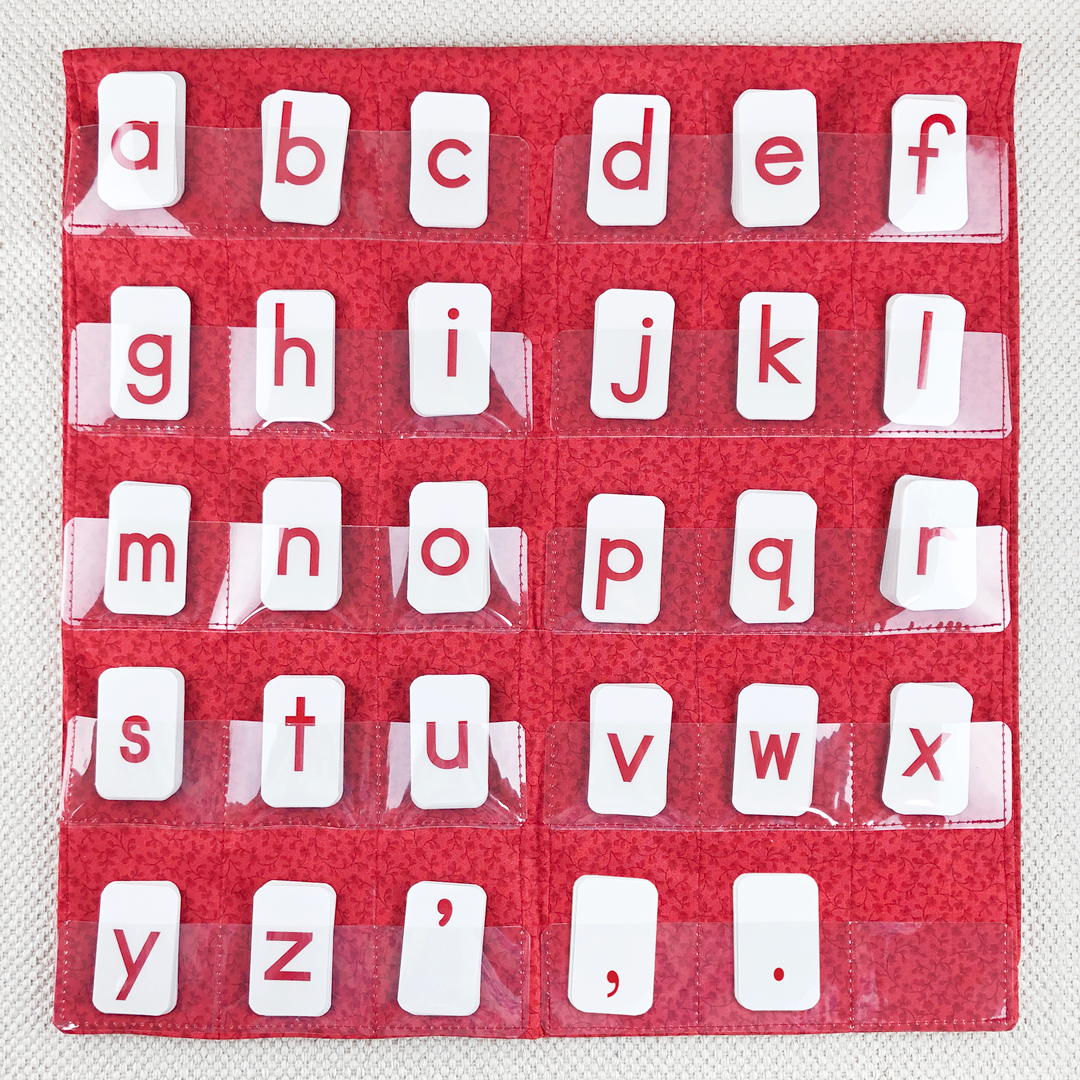
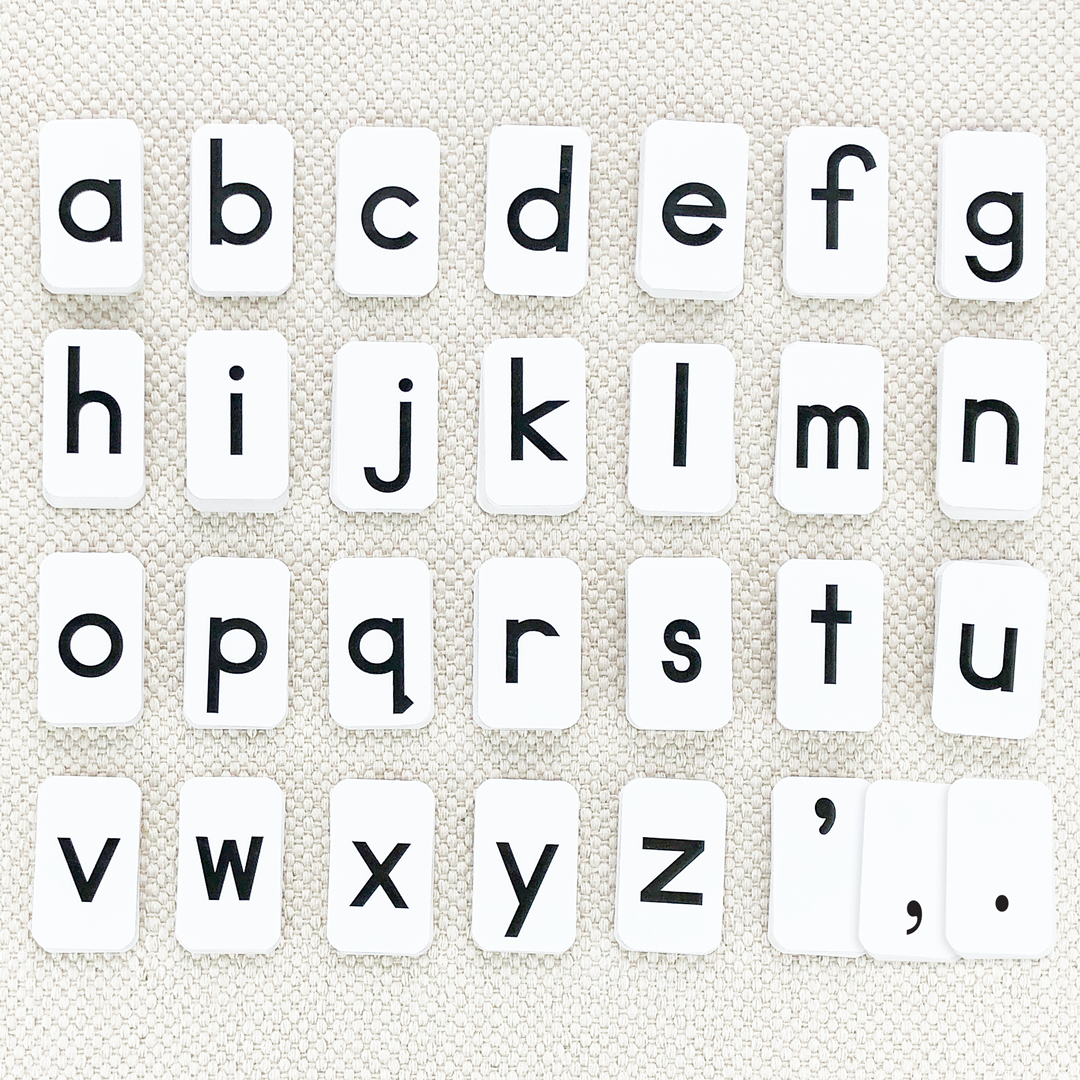
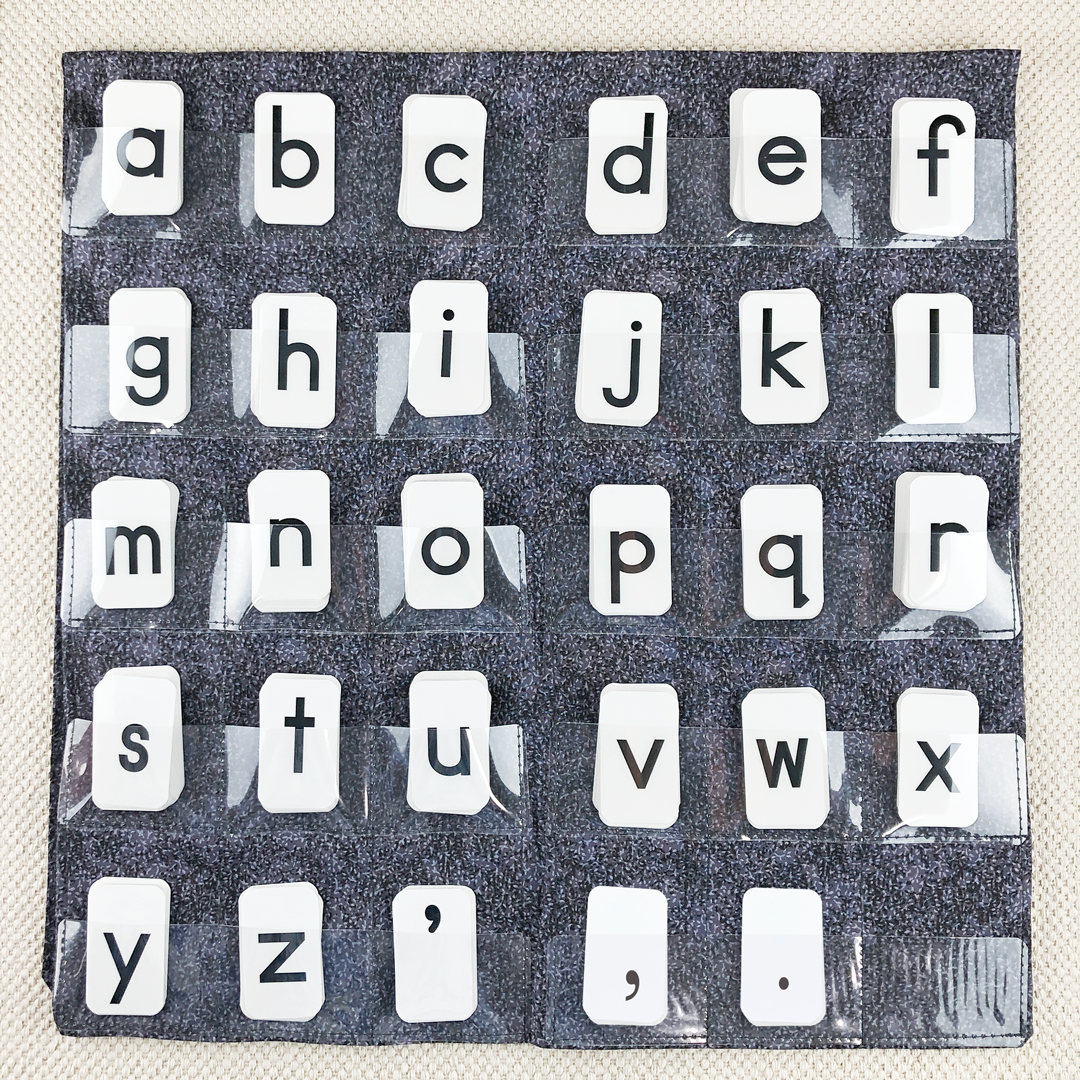
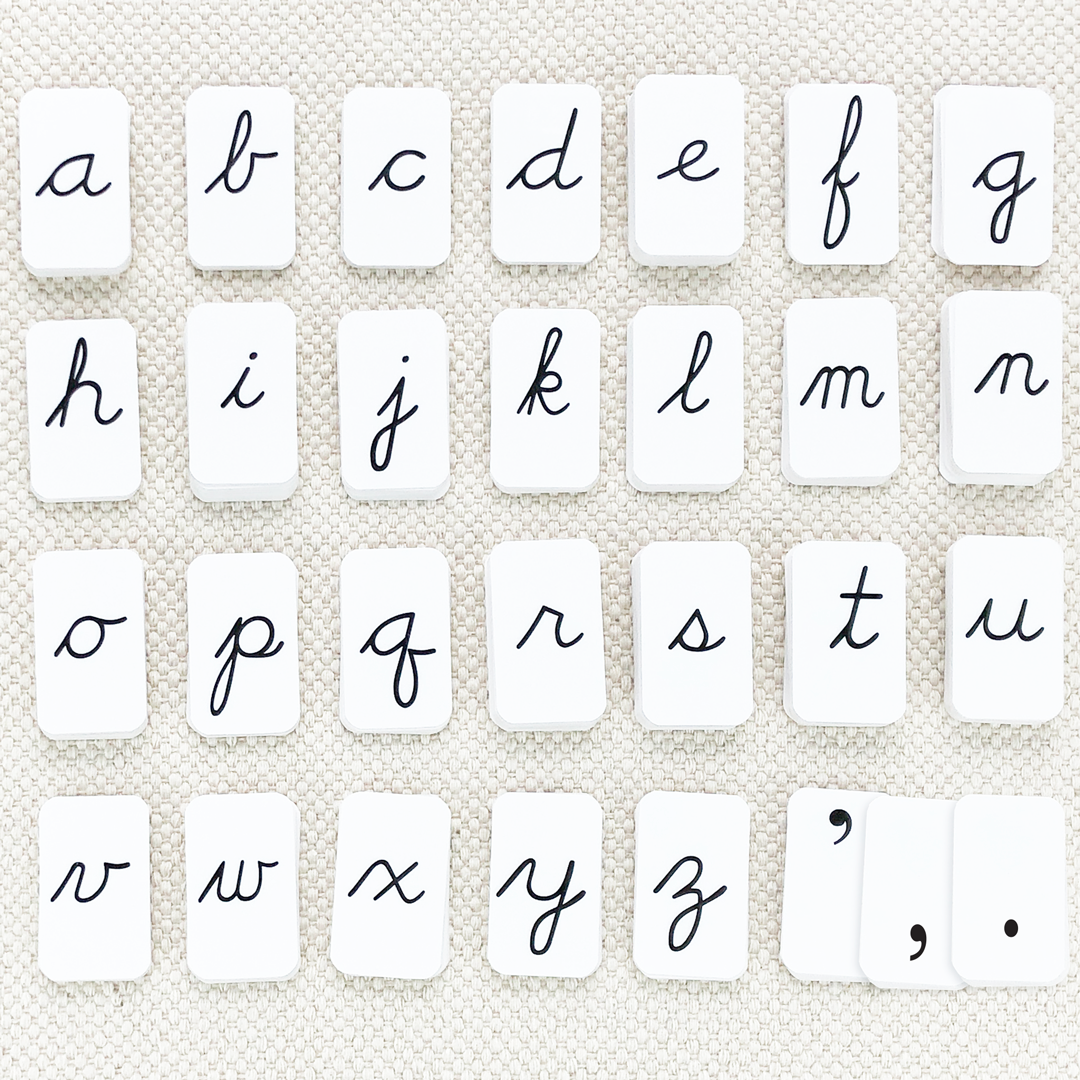
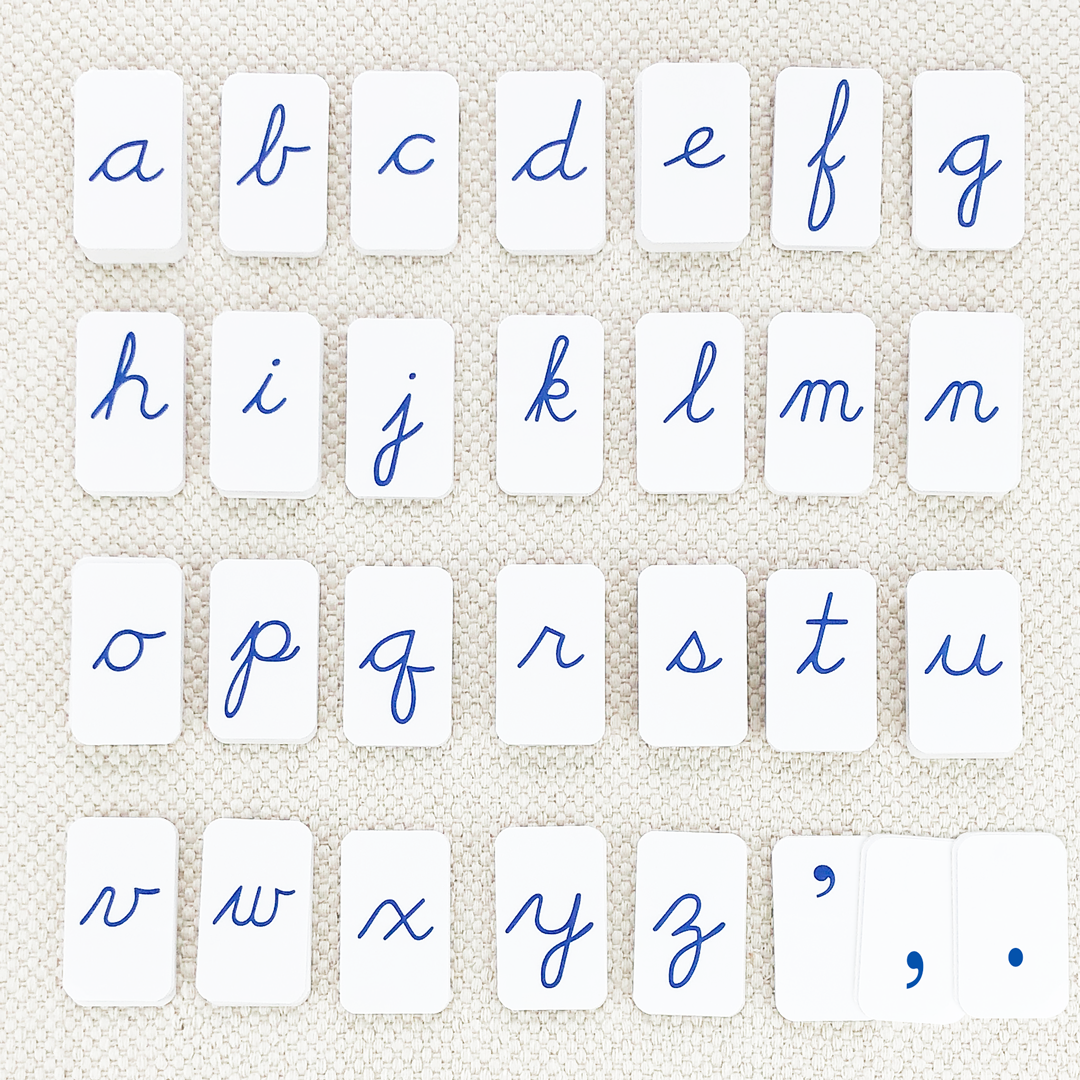
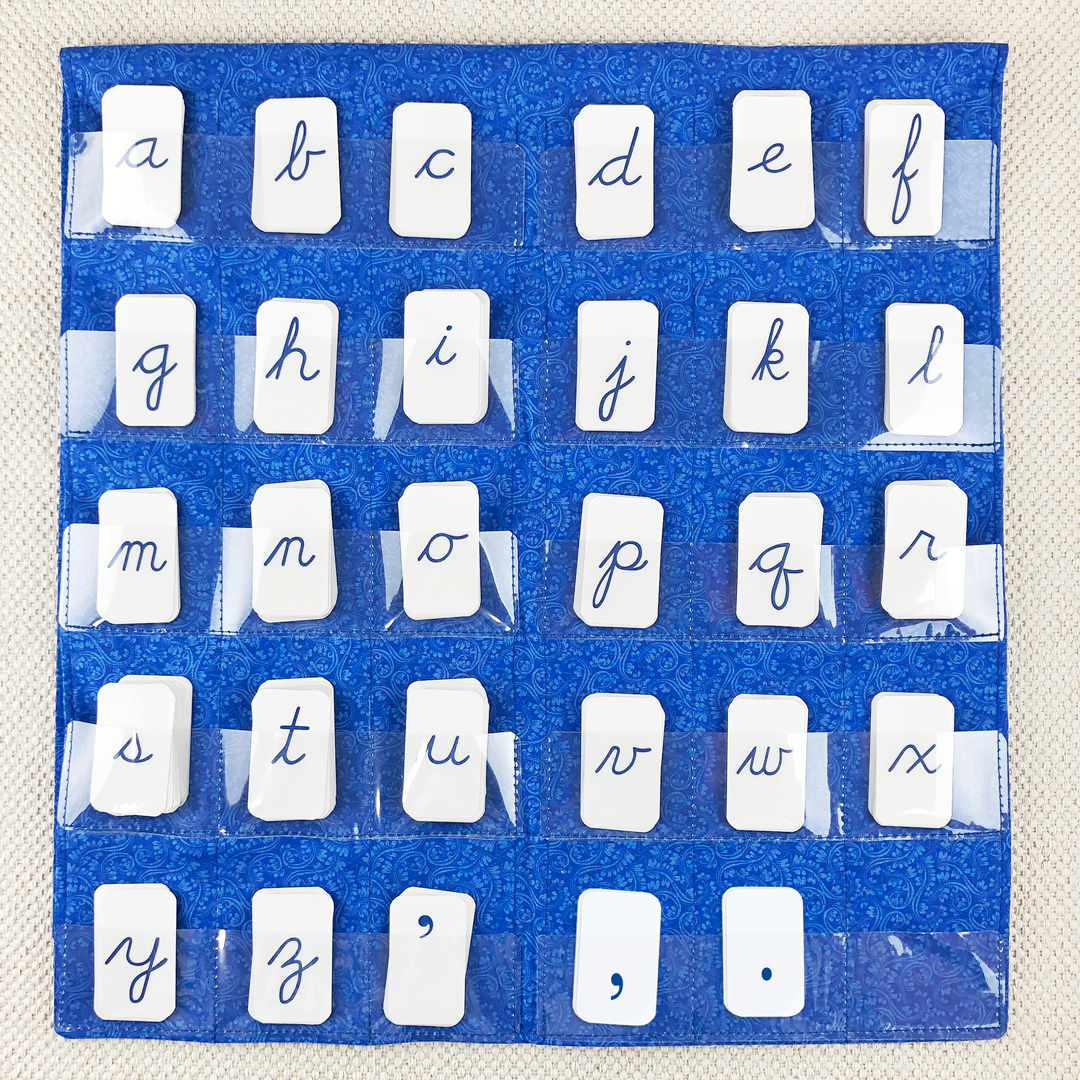
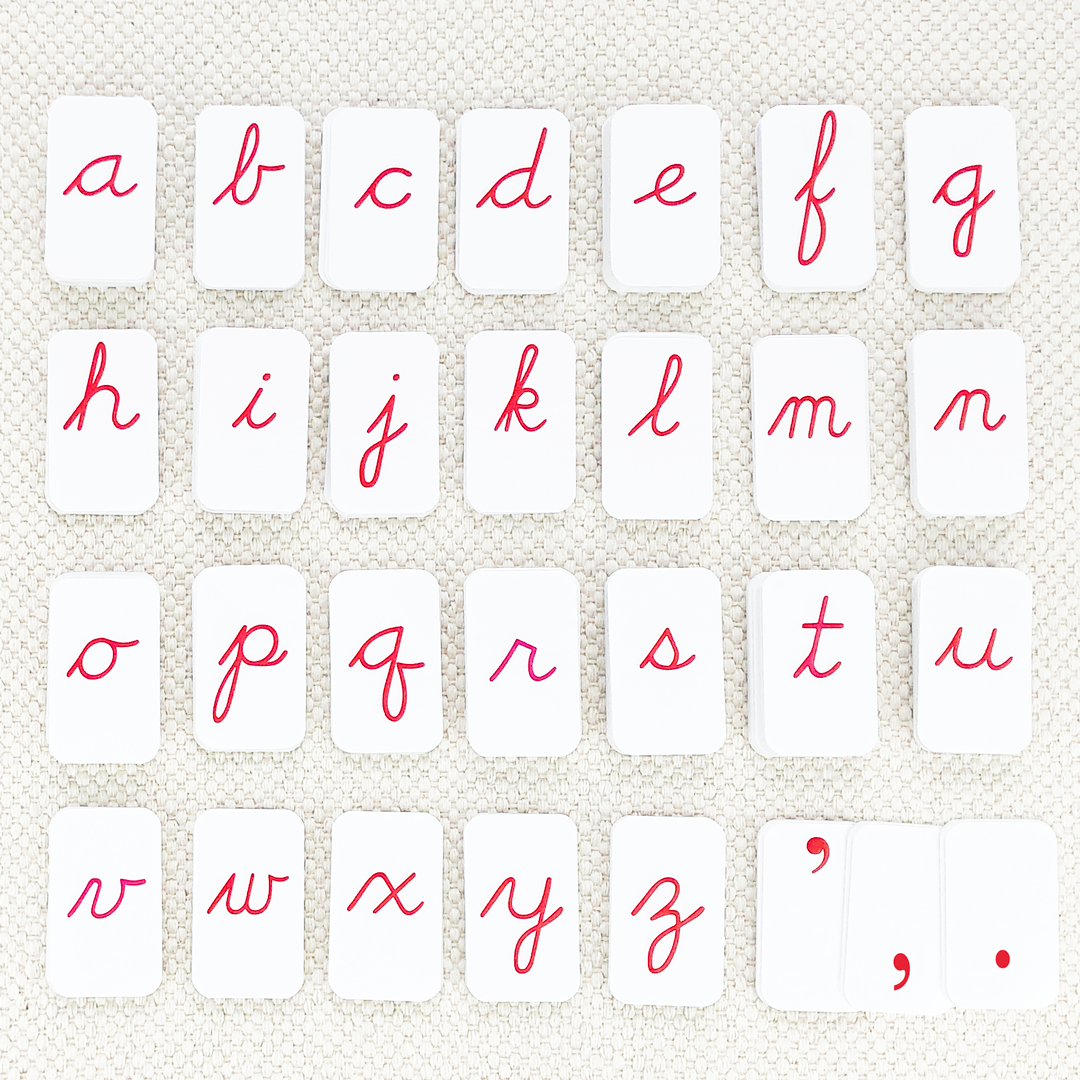
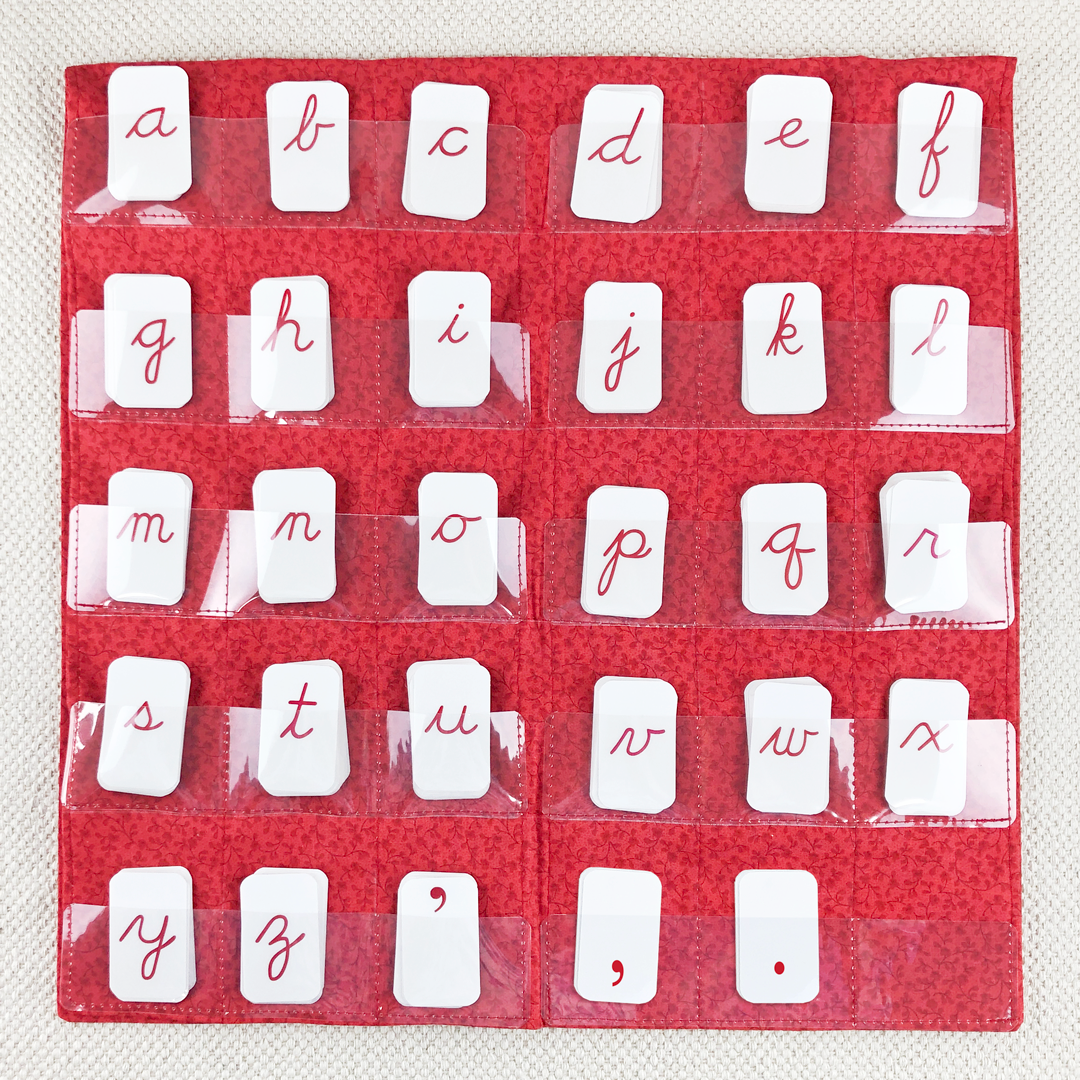
- Solid color movable alphabets in red, black, and blue, in print or cursive, for building words and isolating phonograms, prefixes, and suffixes.
- Word Study Spelling Charts, which pair with the solid color alphabets for spelling dictation games.
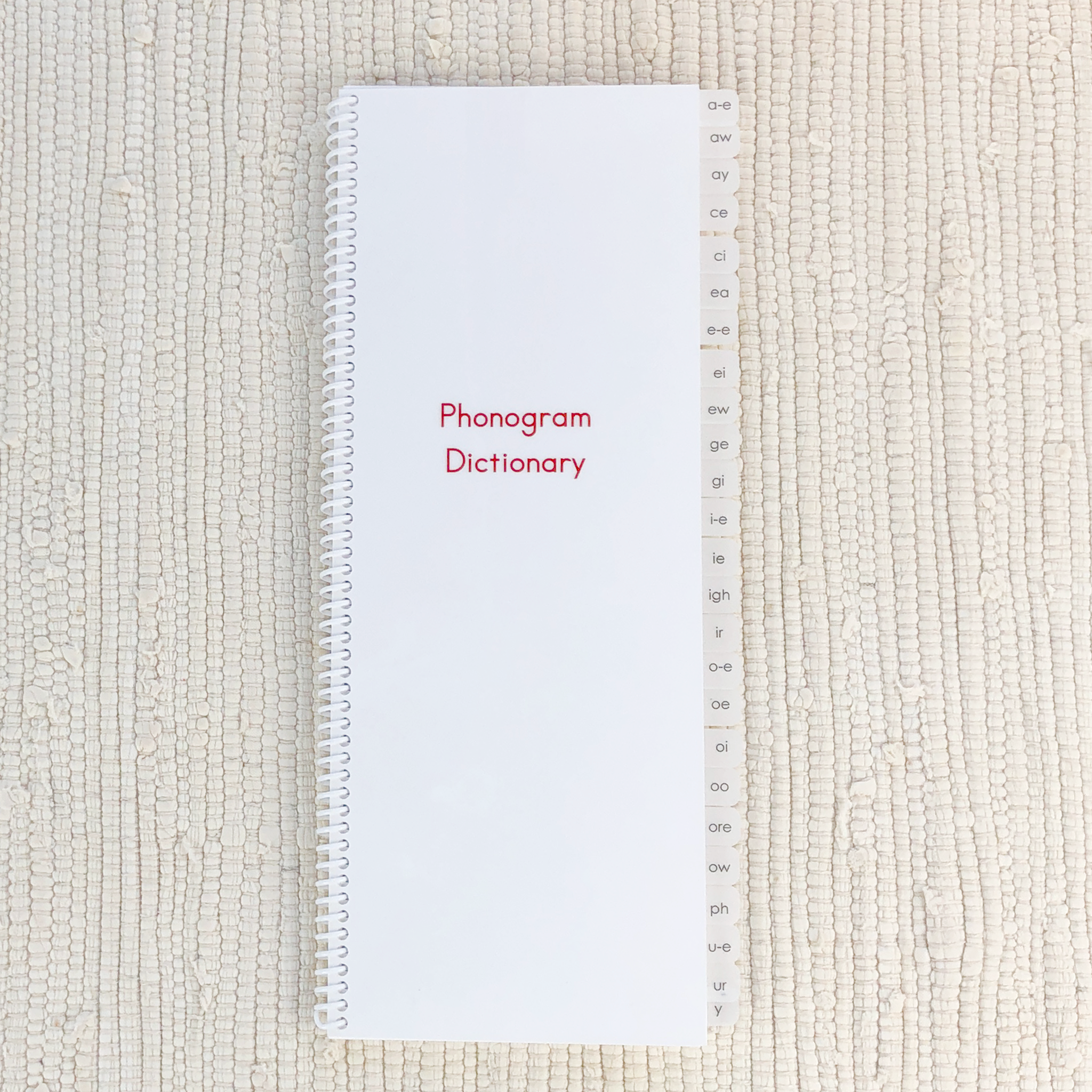
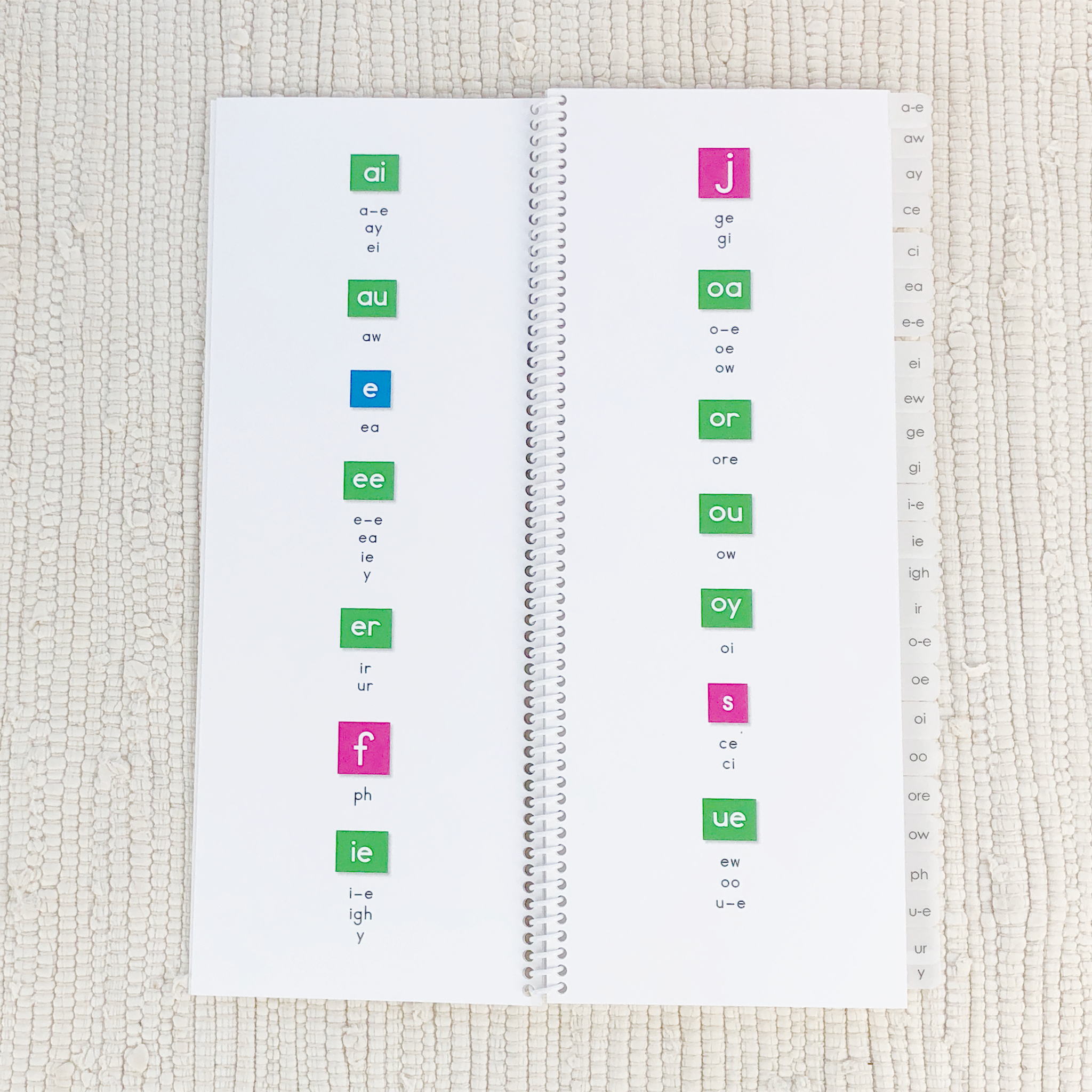
- The Phonogram Dictionary, a reference students use to decode unfamiliar spellings they meet while reading. It is available in print or cursive, organized by key sound or alphabetically.
- The Spelling & Decoding Kit, which brings the full sequence/all of these materials together.
Why spelling matters for reading
Spelling and reading draw on the same knowledge of how letters represent sounds. So, practicing spelling also strengthens word reading. This is part of the word recognition side of Scarborough's (2001) reading rope. Because English often spells one sound several ways, students who know the common variations can both spell accurately and recognize those patterns in the words they read.
How to use these materials
Start with the Phonogram Spelling Folders. A student chooses a folder, and you discuss how many ways there are to make its key sound. Students then read the booklets, match them to their cards, and sort the mixed-up cards. Next, use the solid color alphabets and word study spelling charts for word building and dictation games. Once students know all the key sounds and begin asking for accurate spellings, introduce the Phonogram Dictionary for the unexpected spellings they find in their reading.
What comes next
From spelling, students move naturally into reading comprehension activities like grammar, word study, and definitions-in-stages (build-a-book). For every phonogram material from first sounds through spelling, see our phonogram collection. Learn how Montessori and the Science of Reading align.
What are the Dwyer phonogram folders?
They are a spelling system originally developed by Muriel Dwyer, a London AMI Montessori trainer. Each folder focuses on one key sound and holds cards and booklets showing its common spelling variations. The key sound is printed on the front of the folder and on the back of each card and booklet, so students can check their own work.
When is a student ready for spelling work?
Students are ready for the phonogram folders once they read phonogram words with confidence and start to question the accuracy of the words they spell with the movable alphabet. The Phonogram Dictionary comes later, when a student knows all the key sounds shown on the green sandpaper letters and begins encountering spelling variations in their reading. The dictionary points them back to the key sound phonograms so they can decode more complex words independently.
Why use solid color alphabets?
Using two single-color alphabets together lets students highlight one part of a word, such as building the word in black and the phonogram, prefix, or suffix in red. This makes spelling patterns visible as students build words and also allows for easy correction of errors. With the alphabets, students can find and fix their mistakes without the frustration of erasing and crossing out.
What ages is this for?
Typically kindergarten through grade 3 (ages 5–9), depending on when a student reads phonogram words confidently. Older students who need spelling support or intervention also benefit.
Download a PDF of our materials

Follow Us