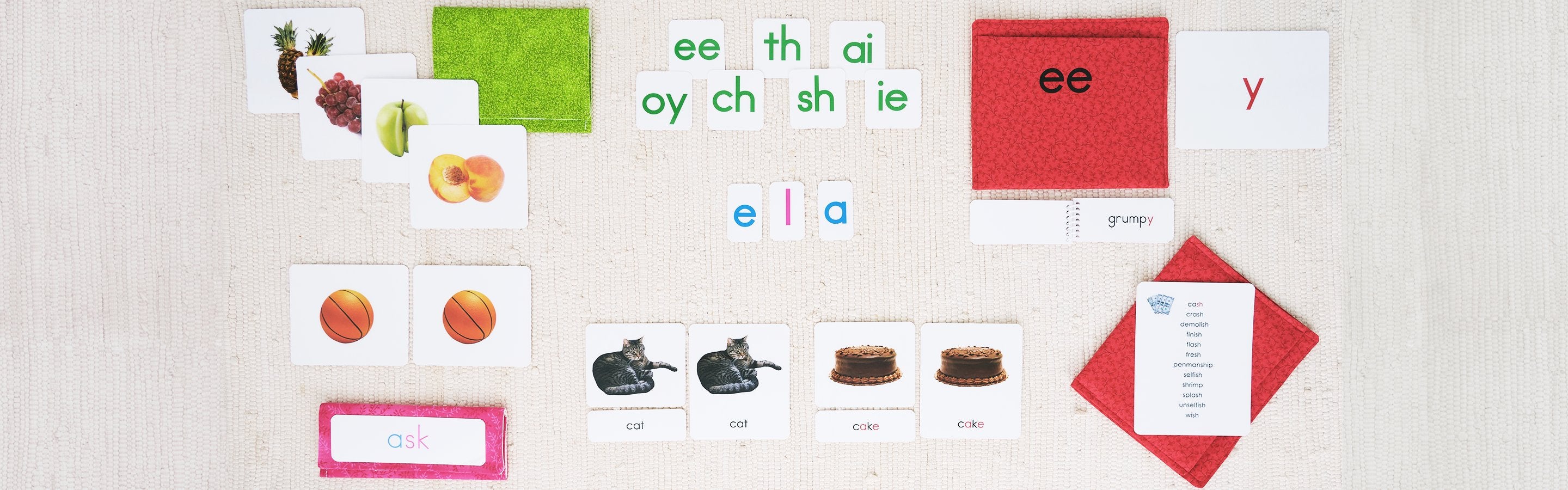
Montessori Language Cards







More Information:
Montessori Language Cards
Maitri Learning's Montessori language cards and Montessori language materials are organized to follow the Montessori/Science of Reading literacy sequence:
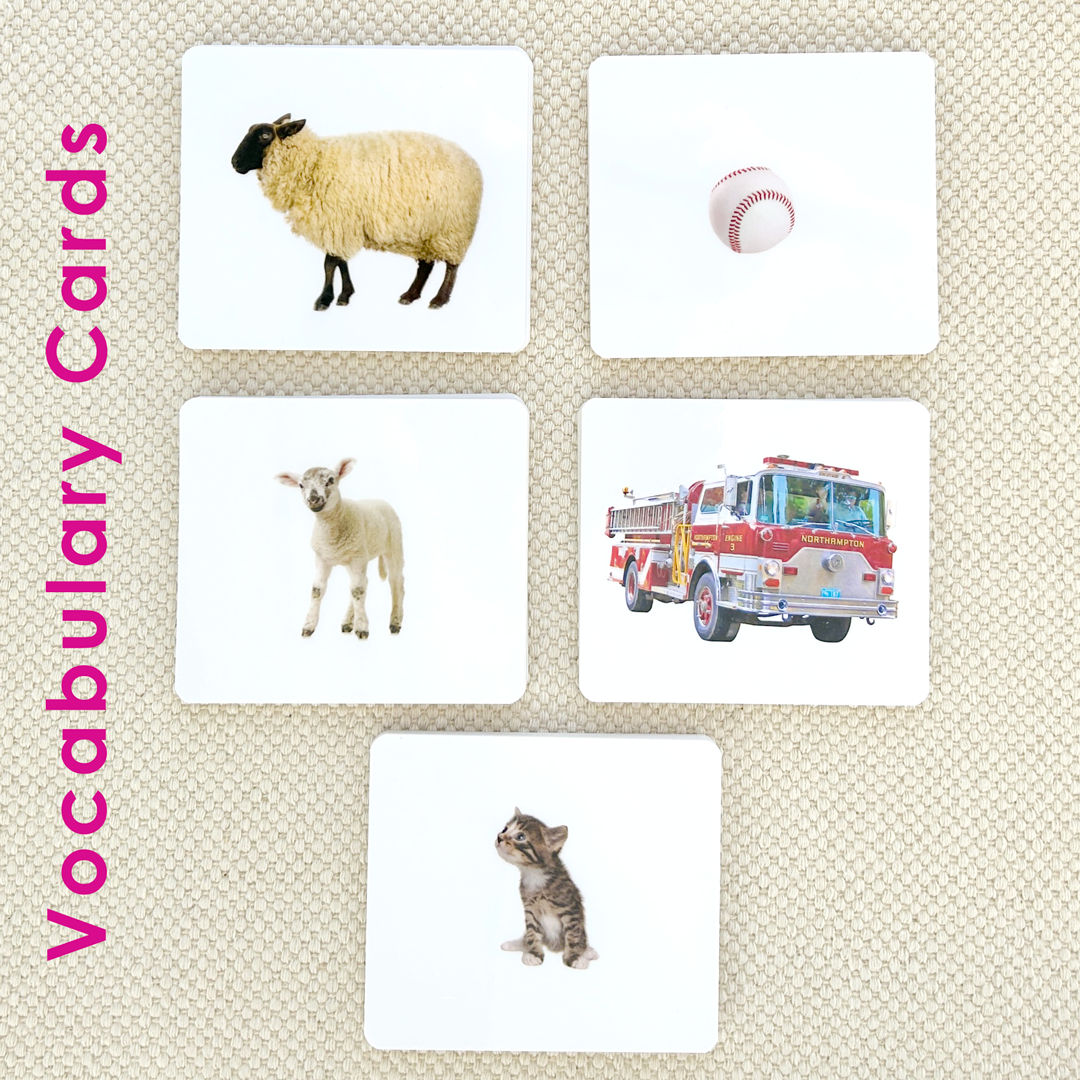
- Vocabulary, oral language & background knowledge
-
Phonological awareness & encoding
- Letter-sound knowledge
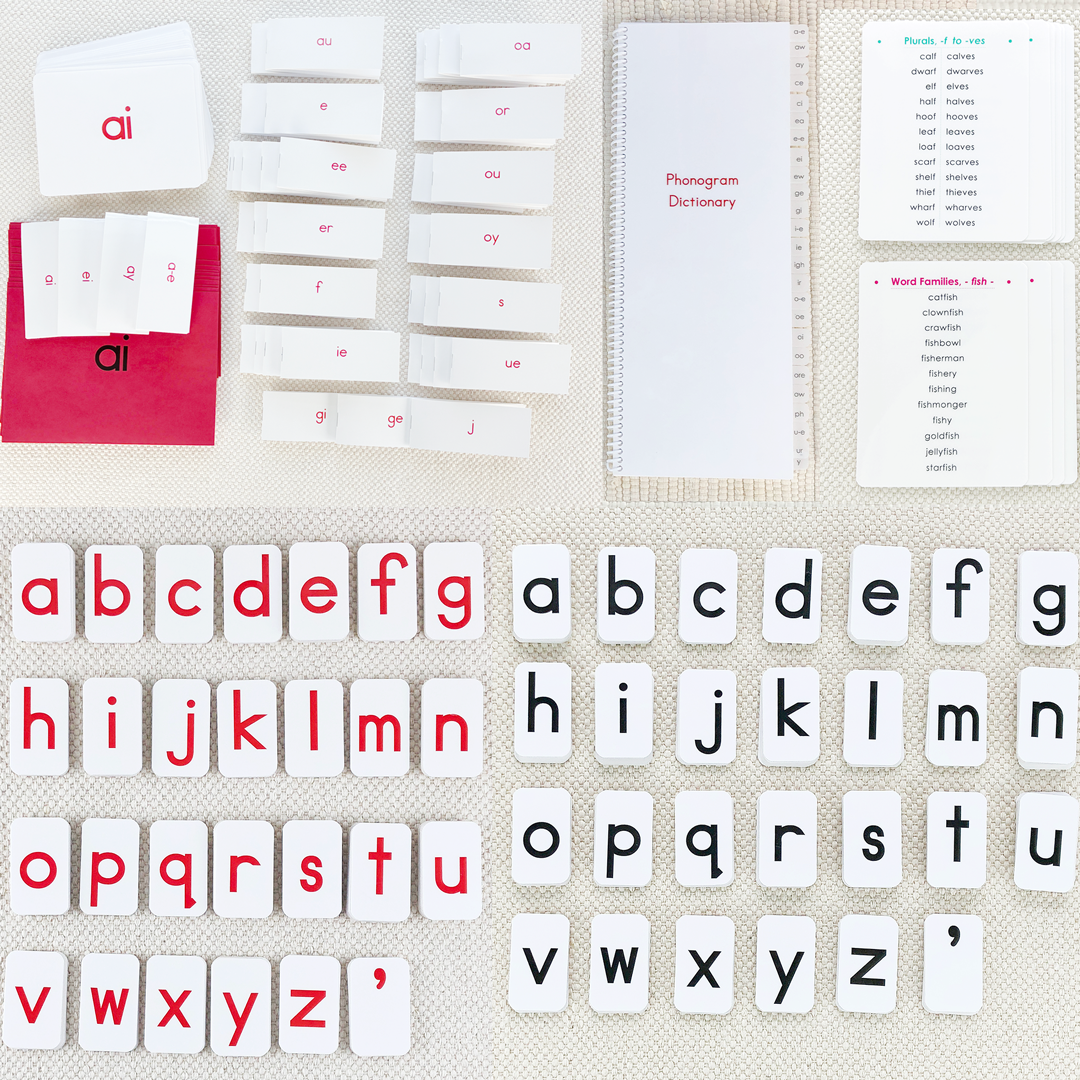
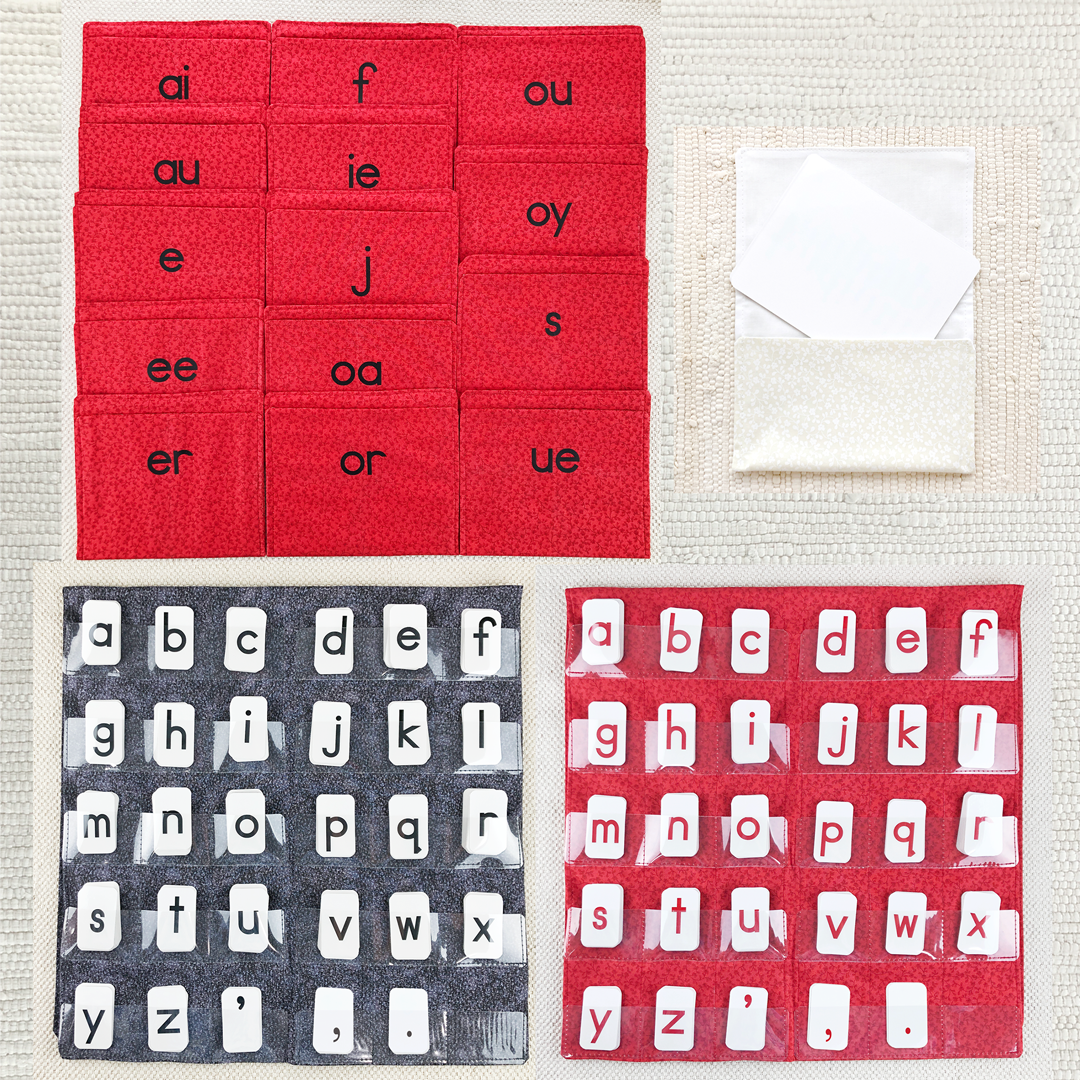
- Encoding with movable alphabets
-
Phonics and decoding
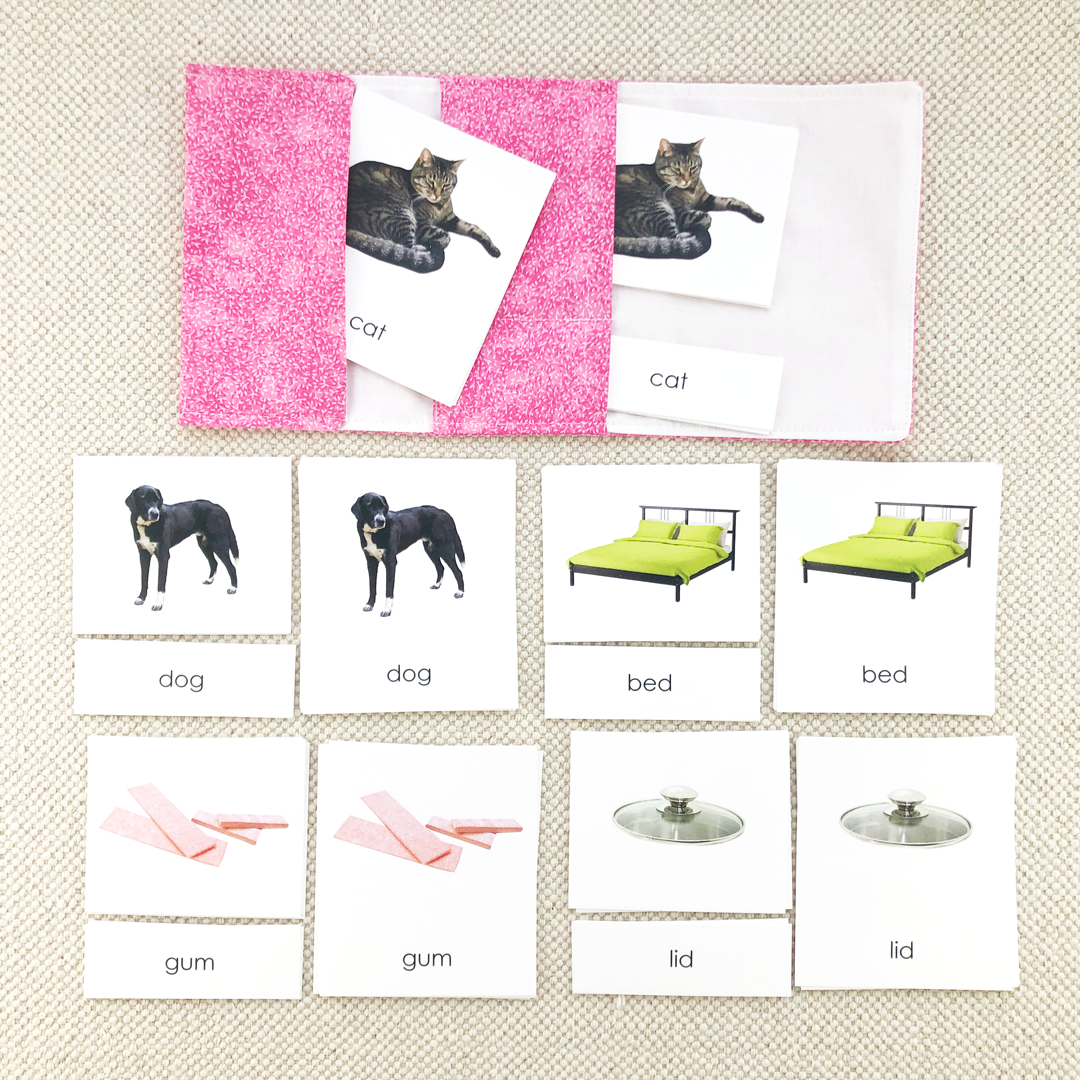
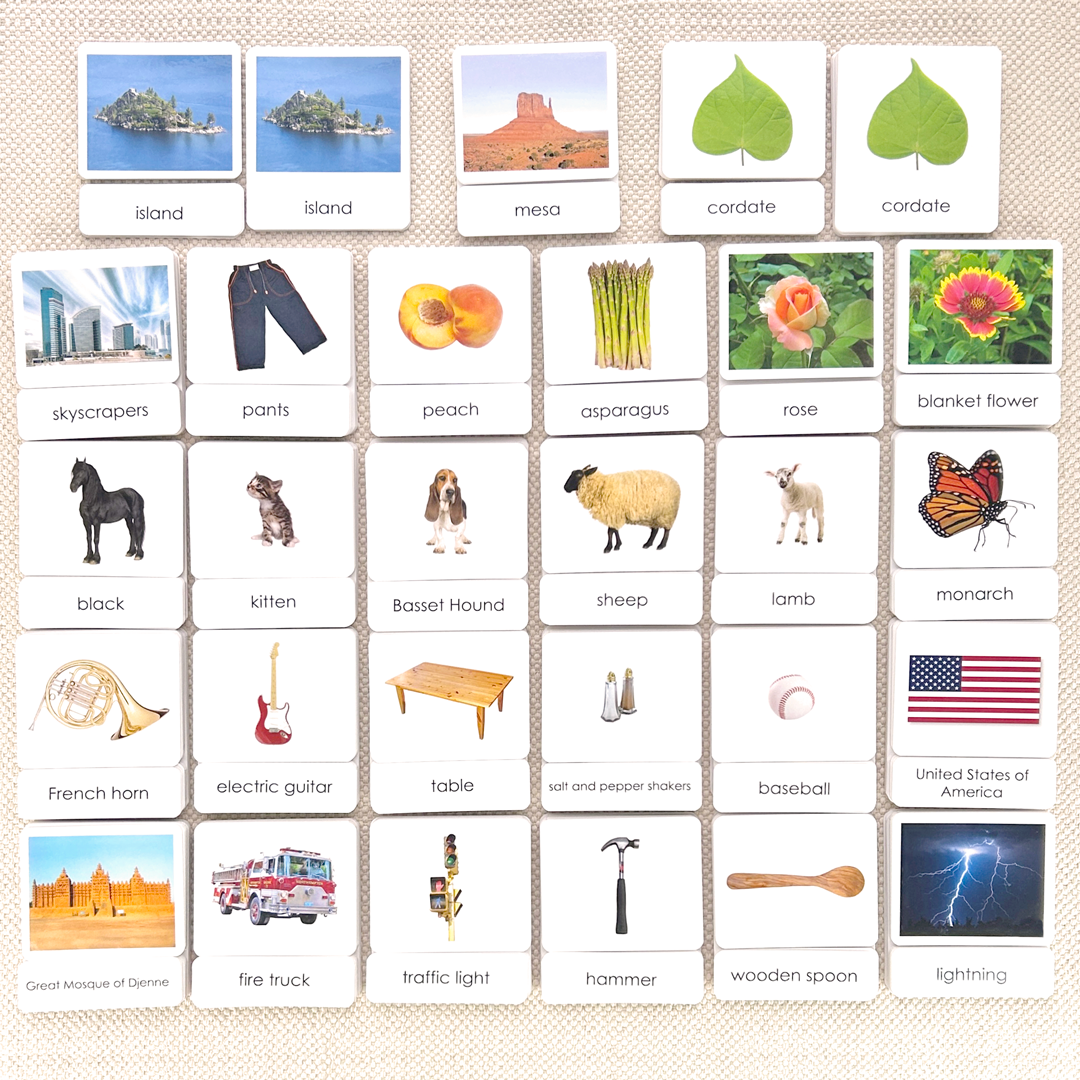
- Phonetic 3-part cards
- Phonetic activity cards
- Phonetic word cards
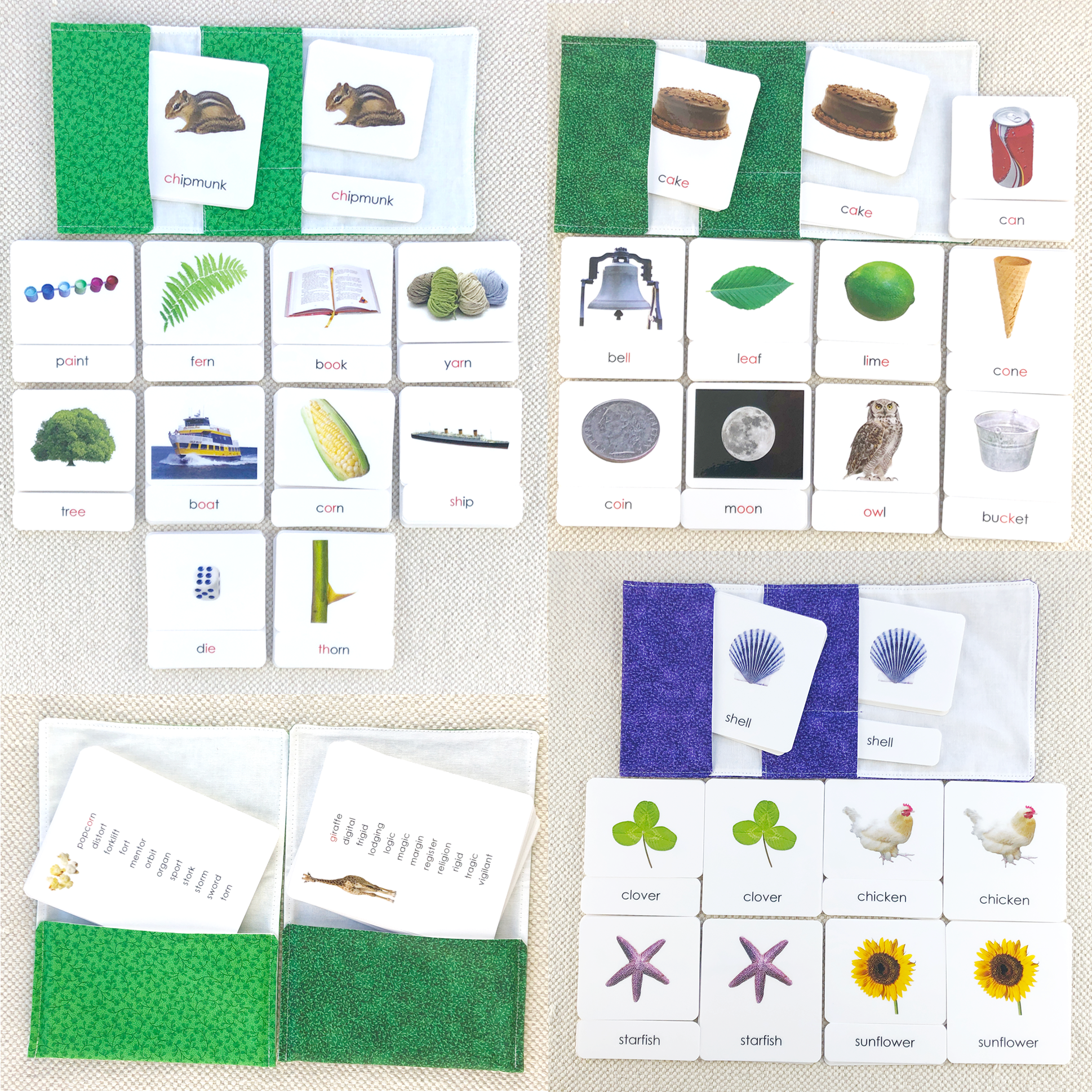
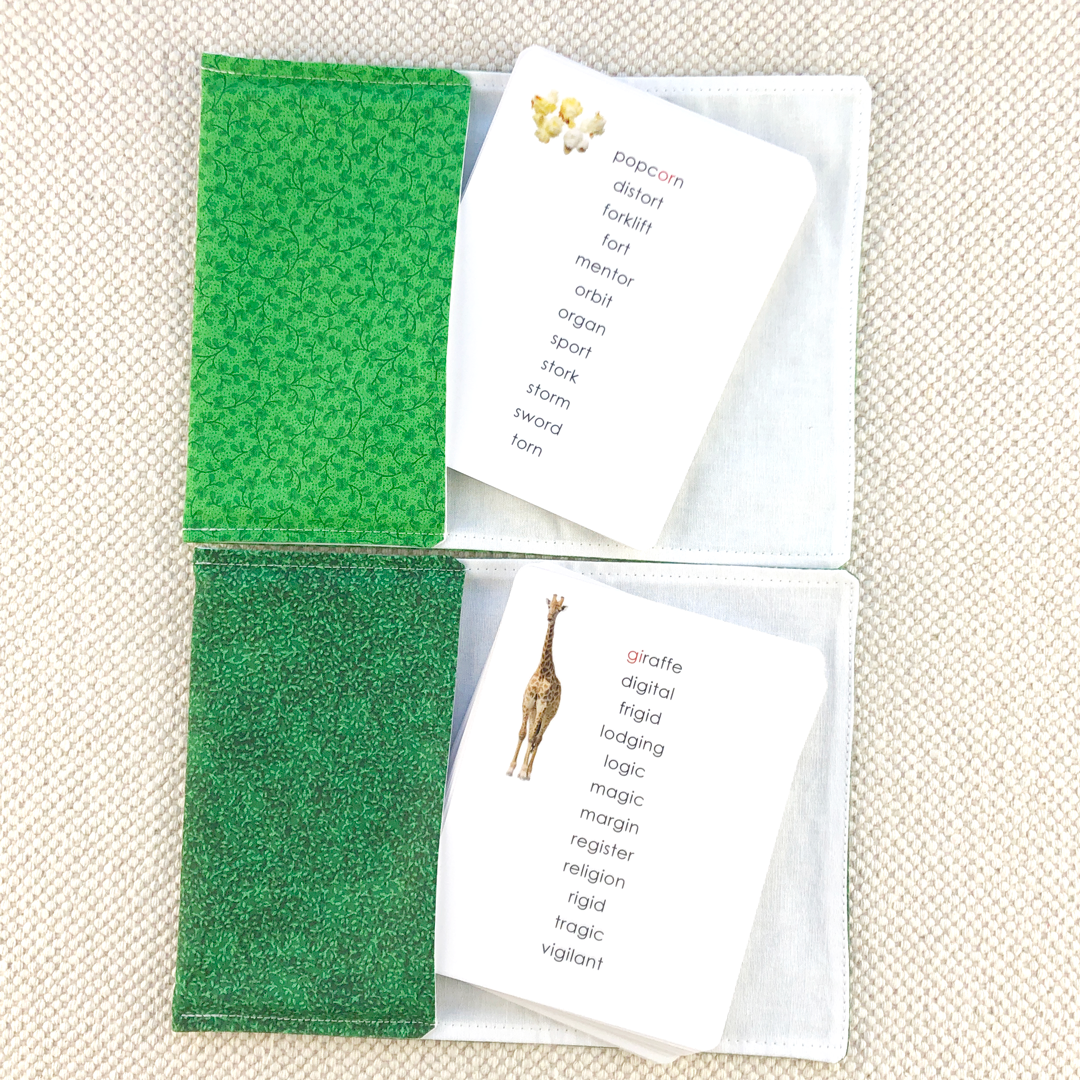
- Phonogram 3-part cards
- Phonogram lists
- Sight words (aka puzzle words)
-
Spelling fluency
- Phonogram spelling folders
- Word study spelling charts
- Phonogram dictionary
-
Reading fluency
- Self-correcting 3-part cards chosen based on student-interest
- Books
-
Reading comprehension
- Grammar
- Word study
- Build-a-book
Every material is:
- Designed by an AMI-certified educator with a Harvard background in neuroscience
- Eco-manufactured in-house in Massachusetts
- Aligned with the Science of Reading.
Learn how Montessori and the Science of Reading align.
Choose materials by reading stage
Pre-Reading and/or new to English
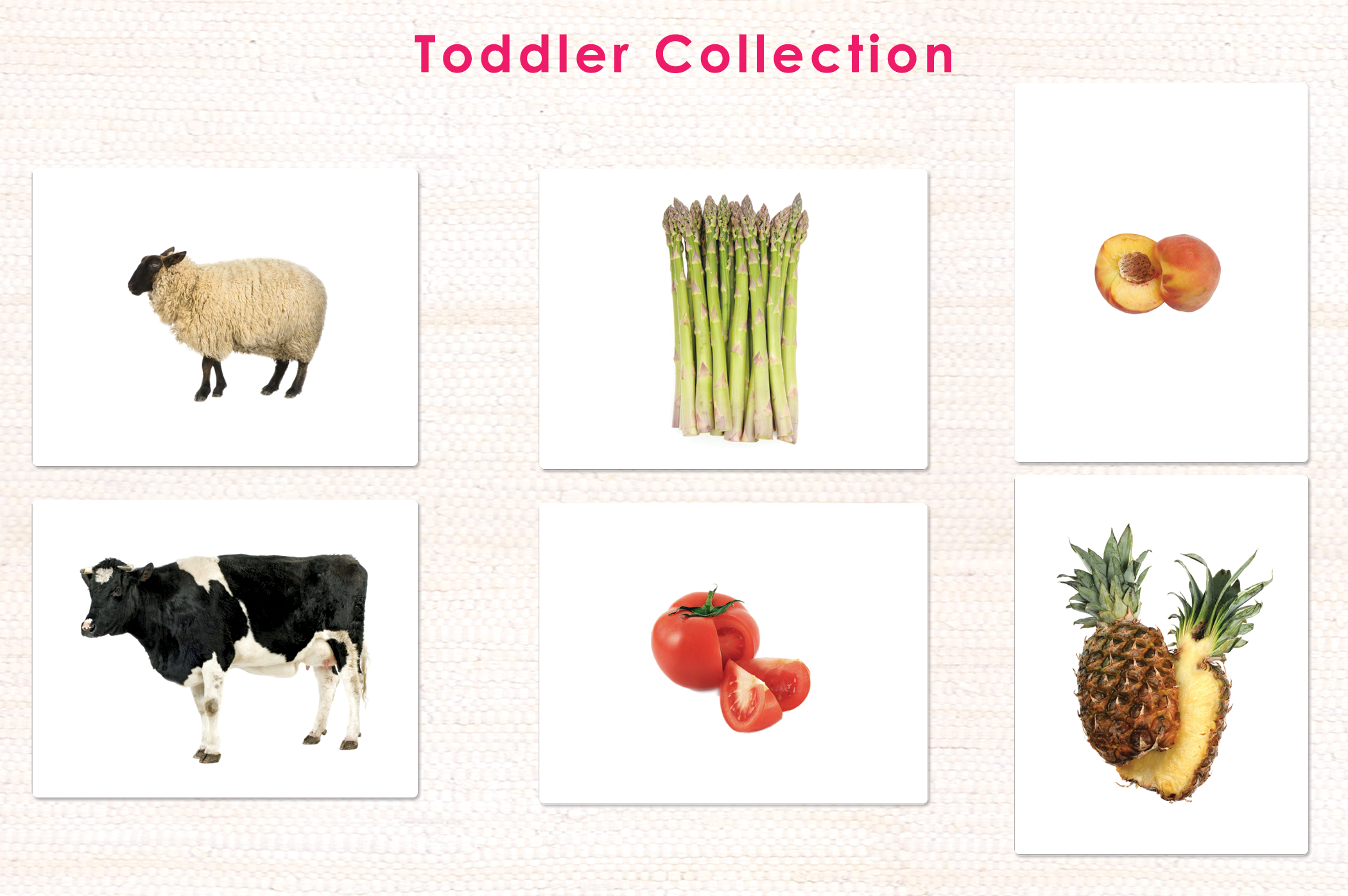
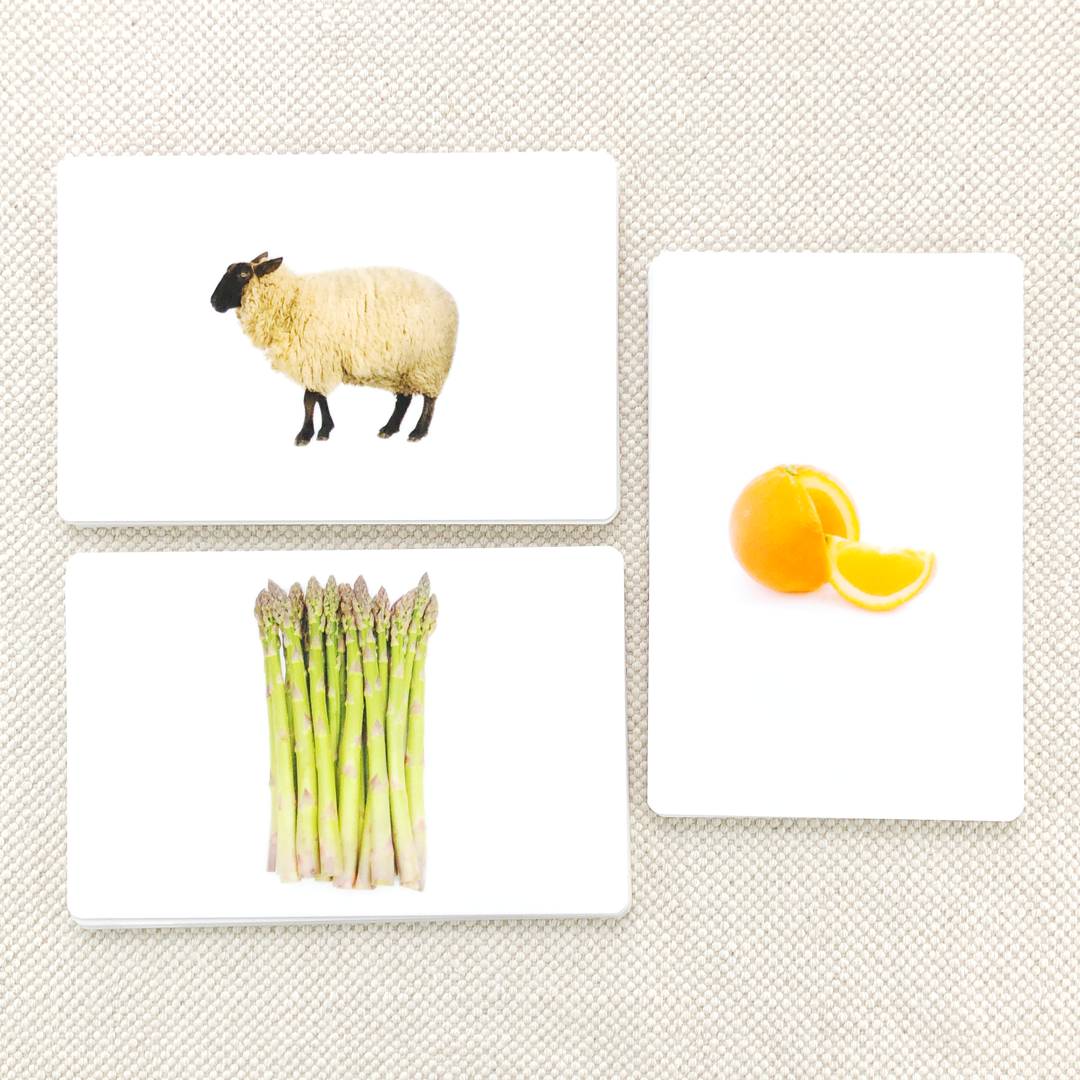
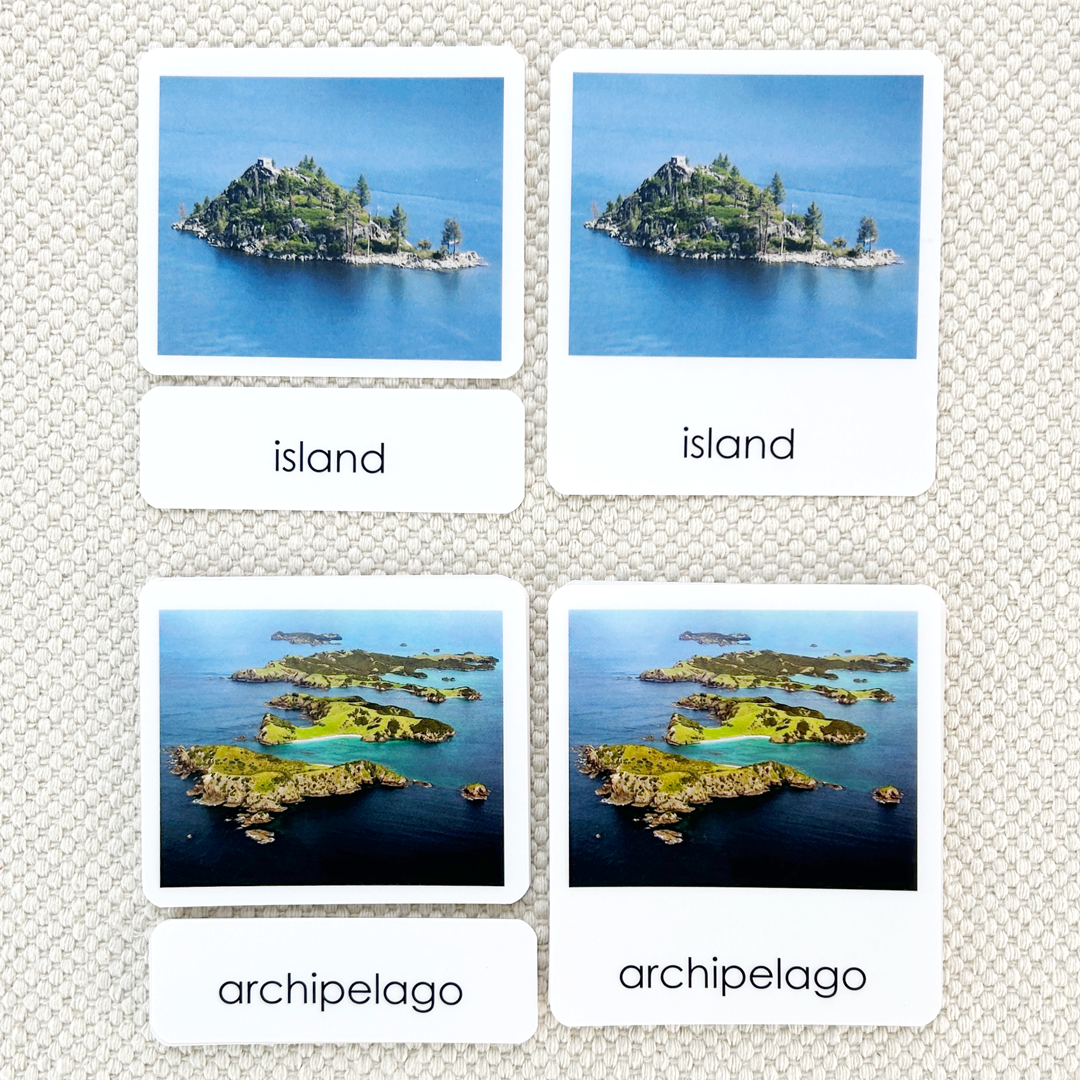
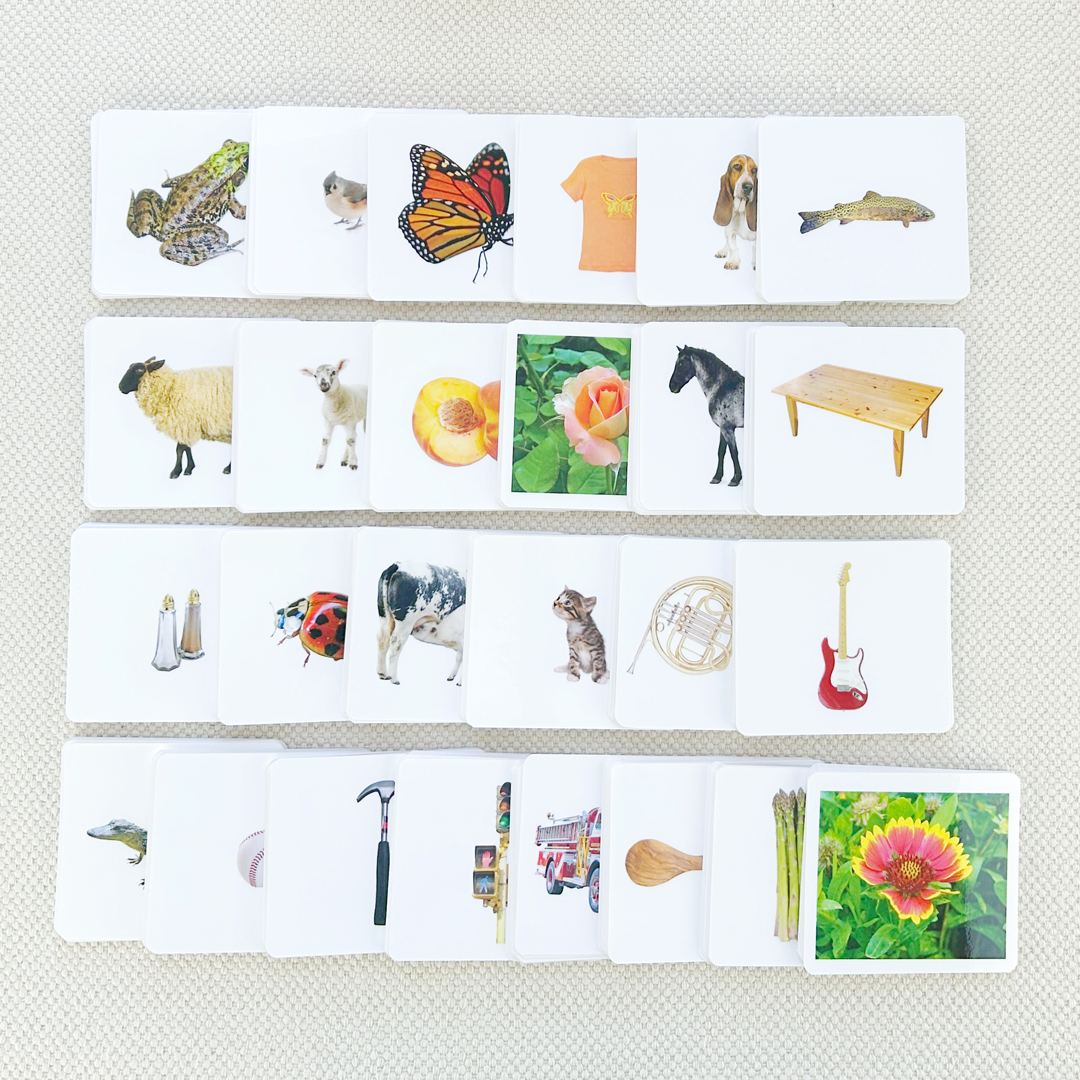
- The Toddler Collection builds vocabulary and helps children move from 3-dimensional objects to 2-dimensional picture cards (around ages 1.5 to 2.5).
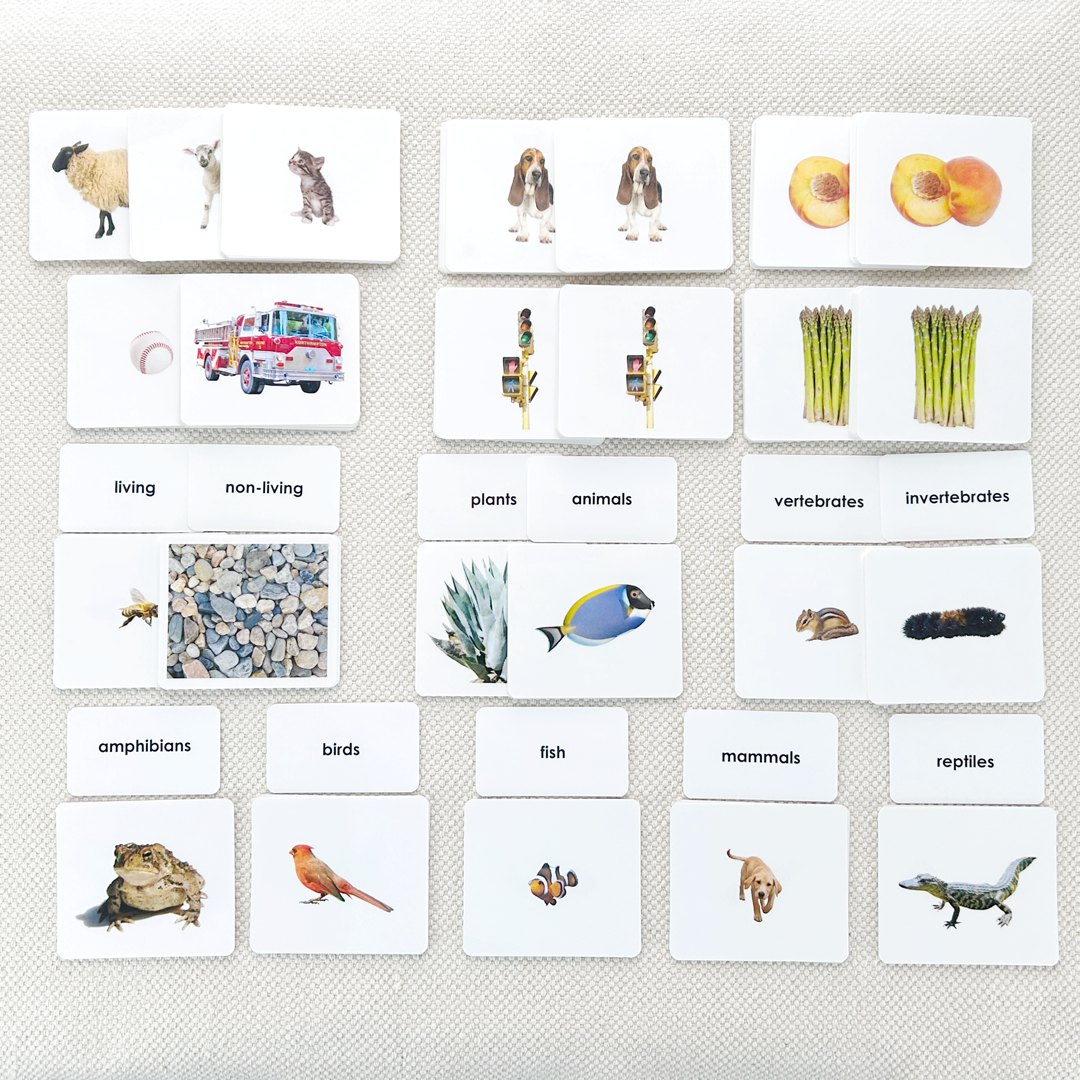
- The Vocabulary Building Kit and Background Knowledge Kit keep vocabulary and background knowledge growing.
Learning Letter-Sounds
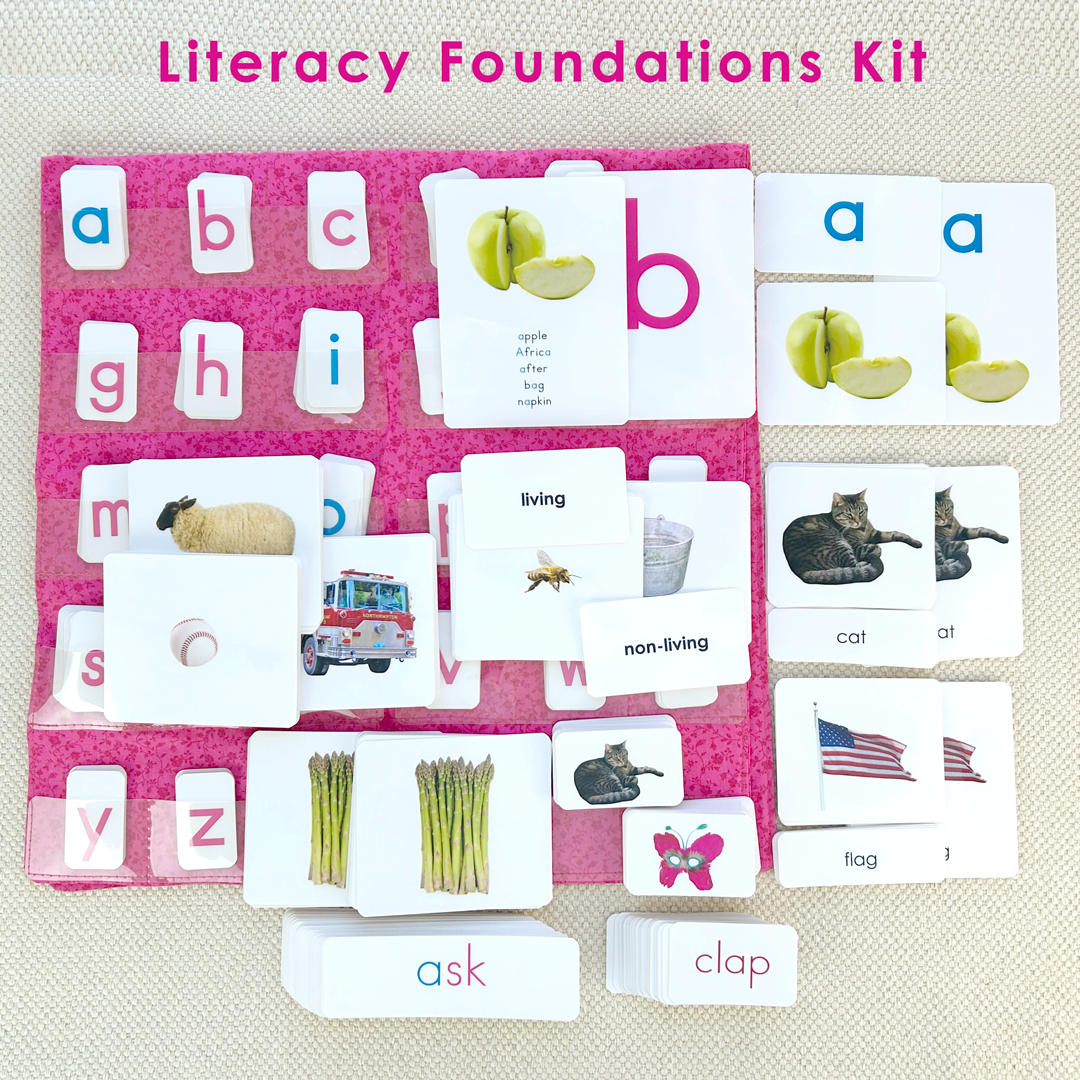
- The Literacy Foundations Kit is a starting point for early literacy work, pairing letters and sounds with picture and word cards.
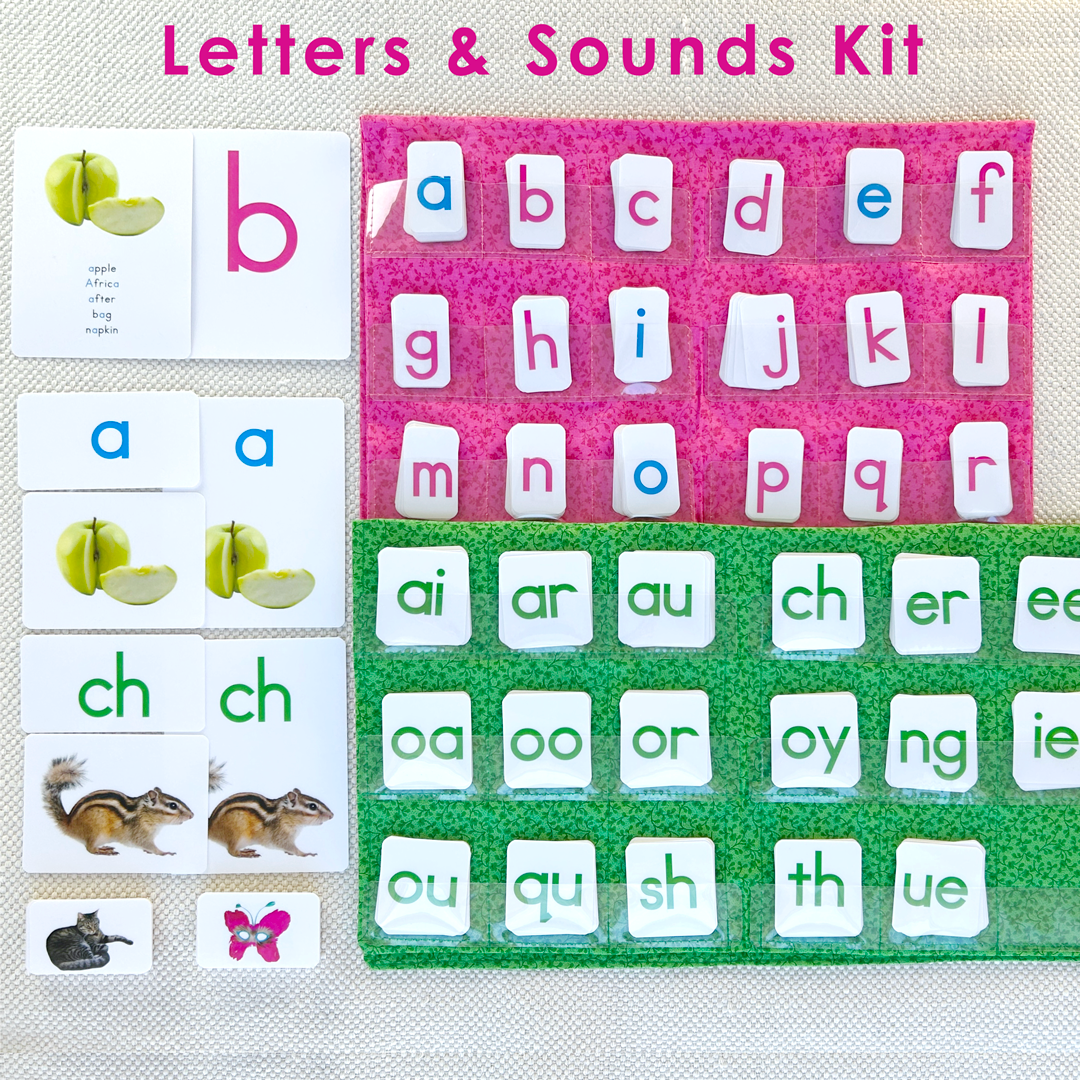
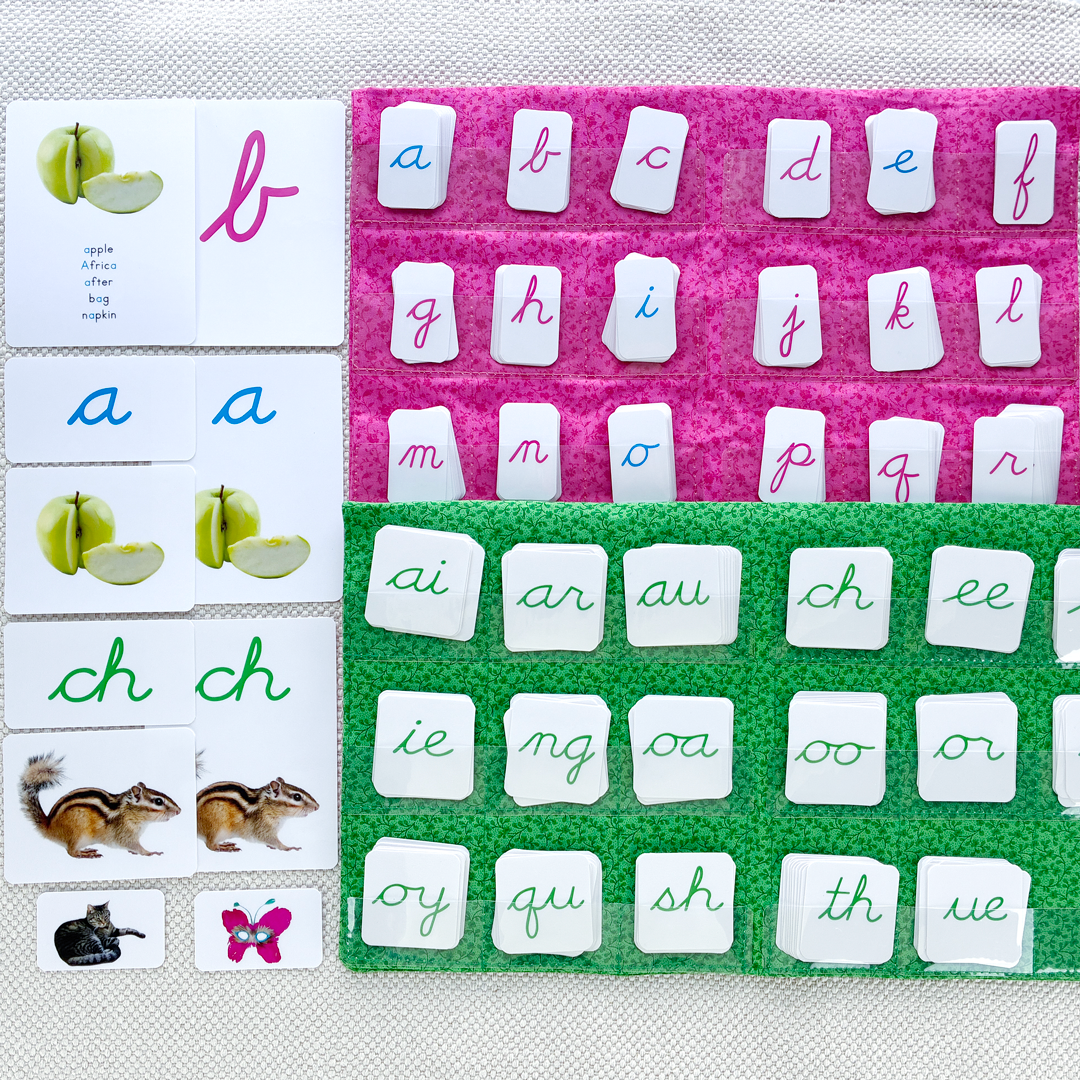
- The Letters & Sounds Phonics Kit introduces letter sounds and the phonograms (key sounds made by pairs of letters).
Starting to sound-out words
- The Phonetic Decoding Kit and Digraph Decoding Kit give children self-correcting practice reading words with reliable phonetic spelling patterns. Best for children who know the sounds of the alphabet.
Starting to question accurate spelling
- The Spelling & Decoding Kit teaches common spelling patterns and irregularities and builds awareness that a sound can have more than one spelling. Best for children who can read phonetic words and ask how words are spelled.
Starting to stretch beyond phonetic reading
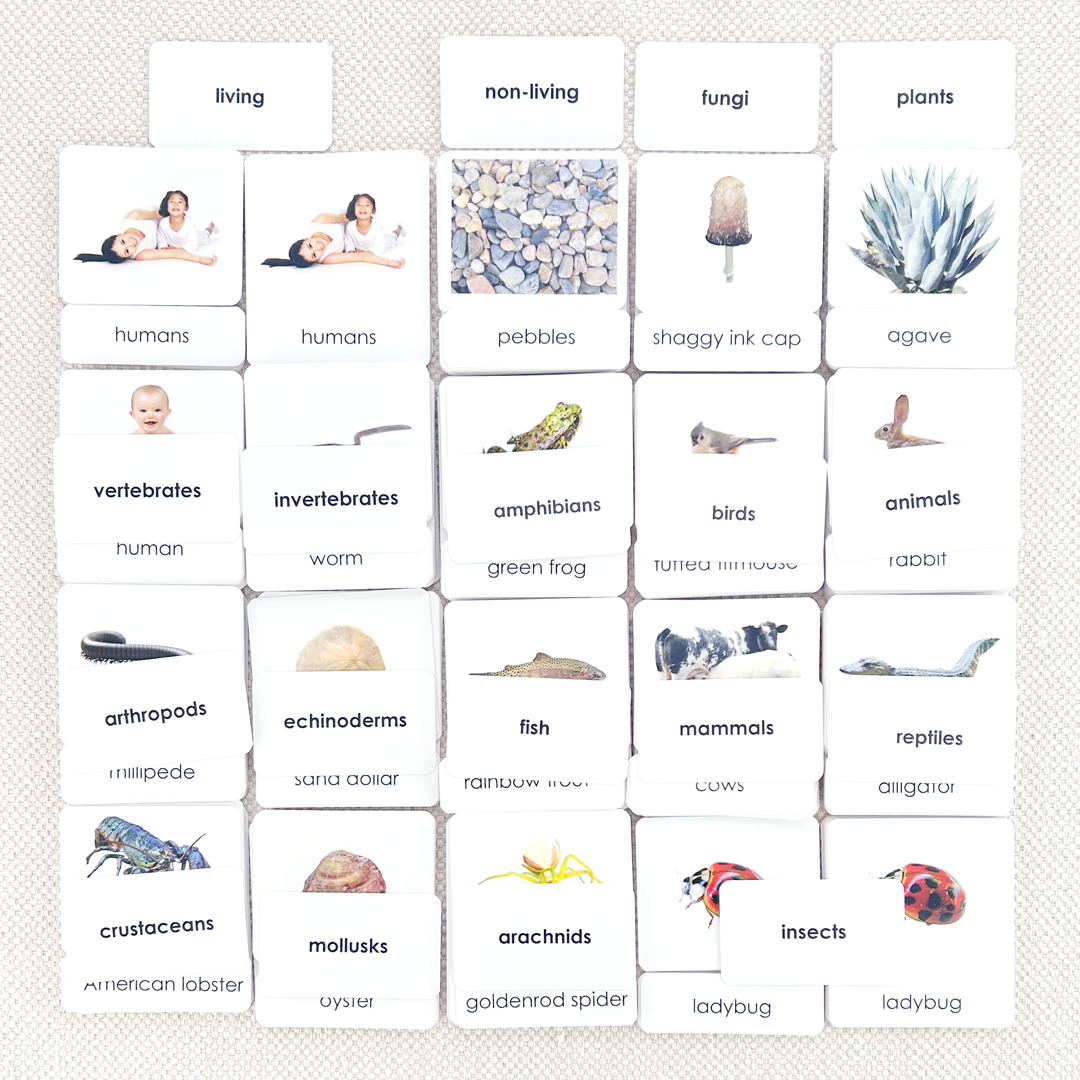
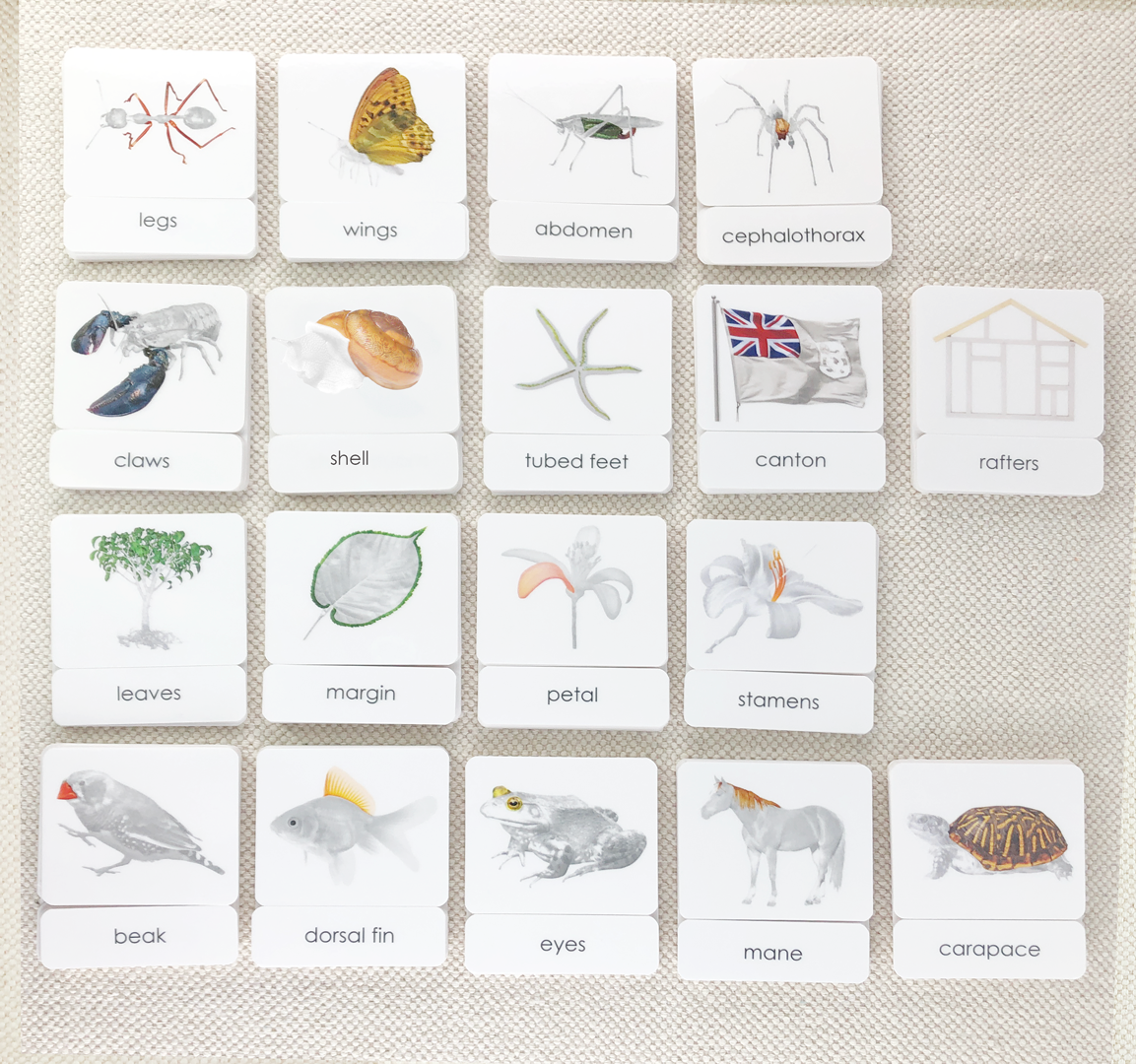
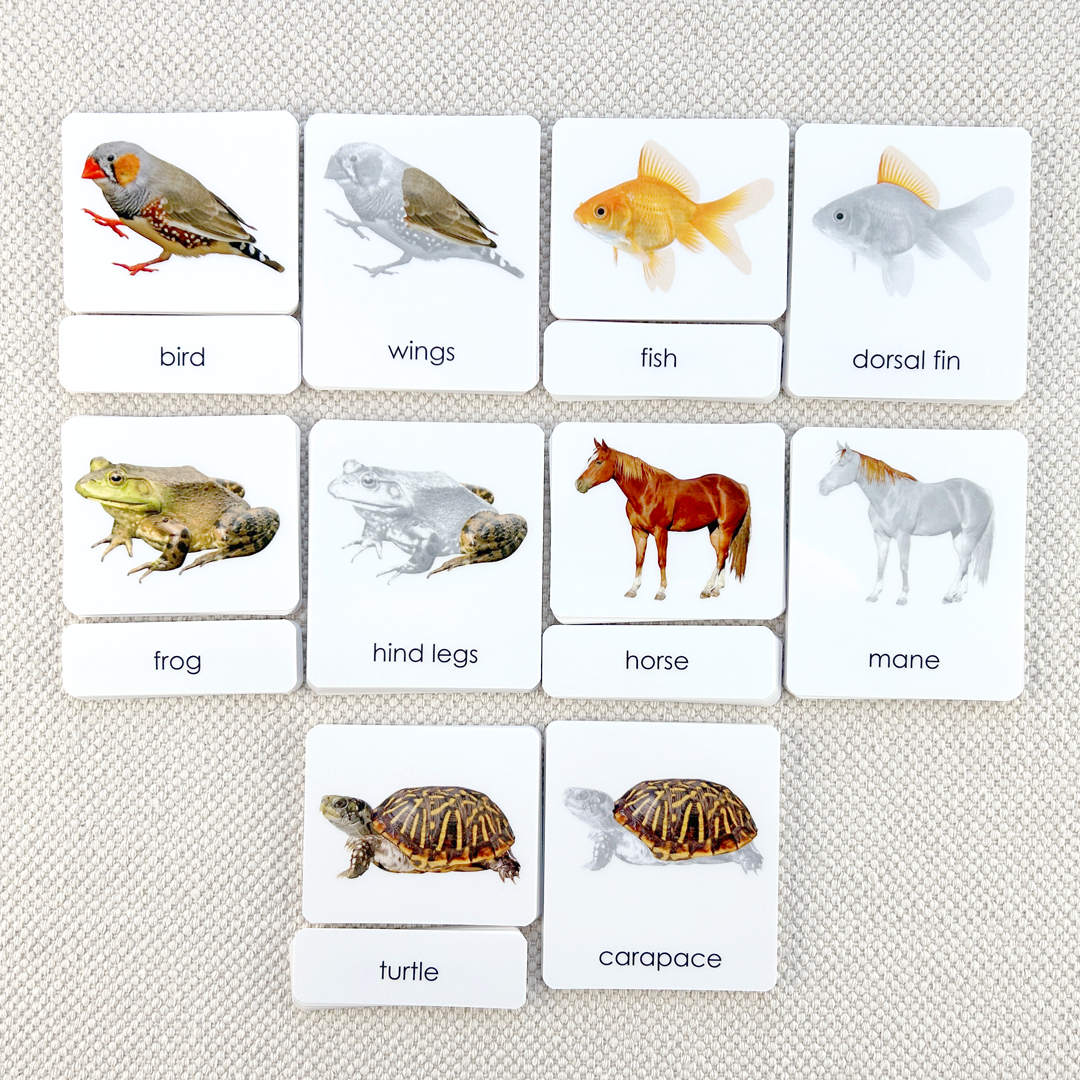
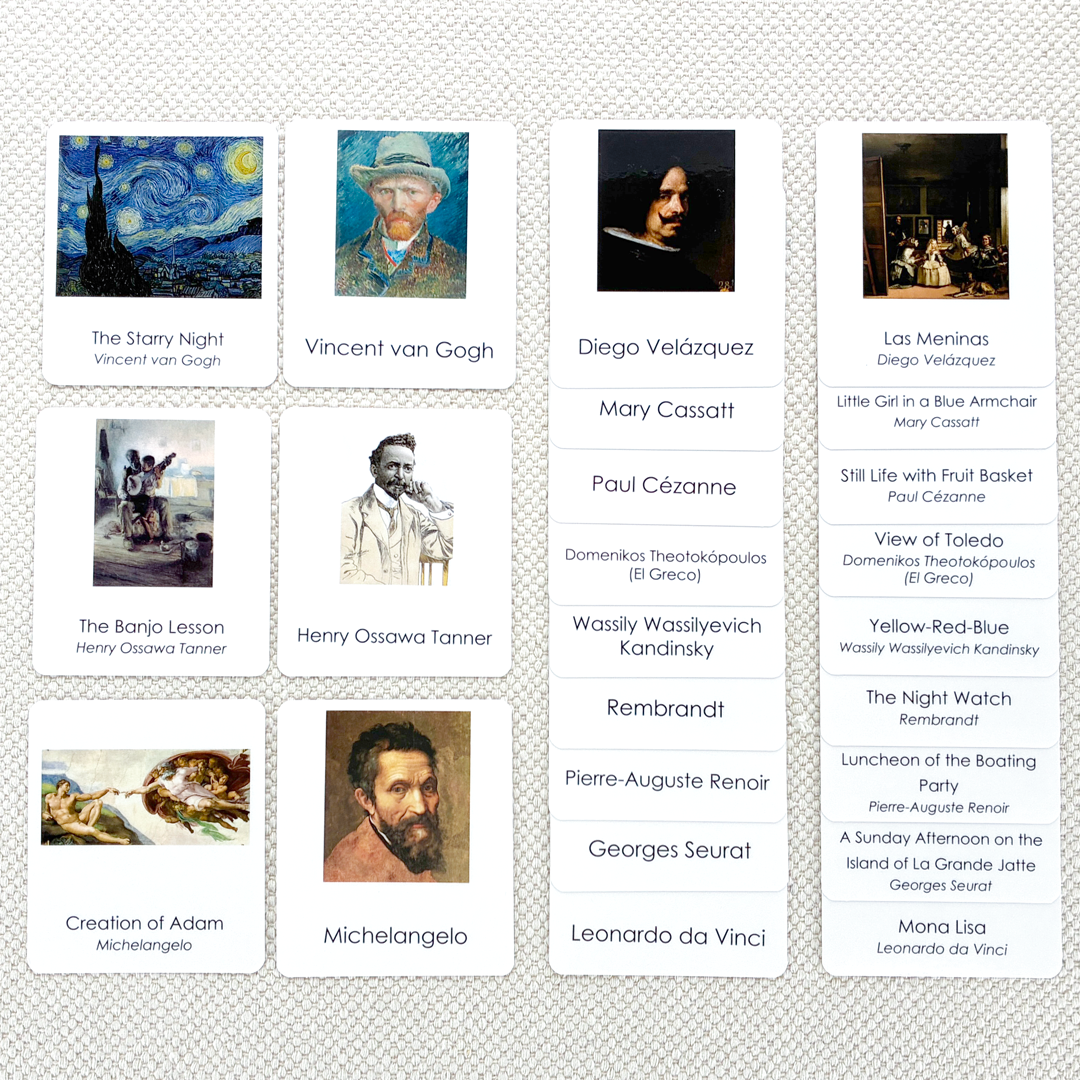
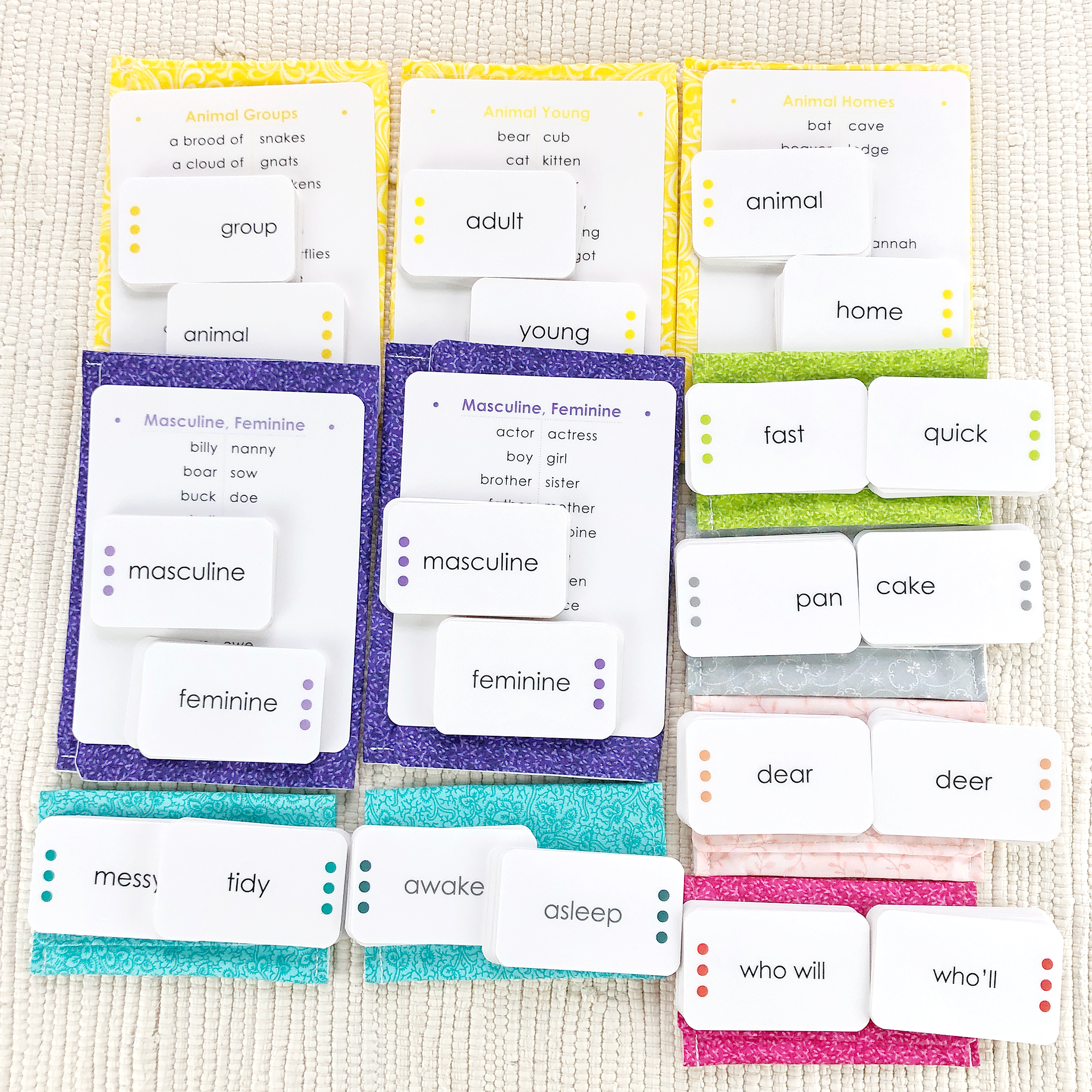
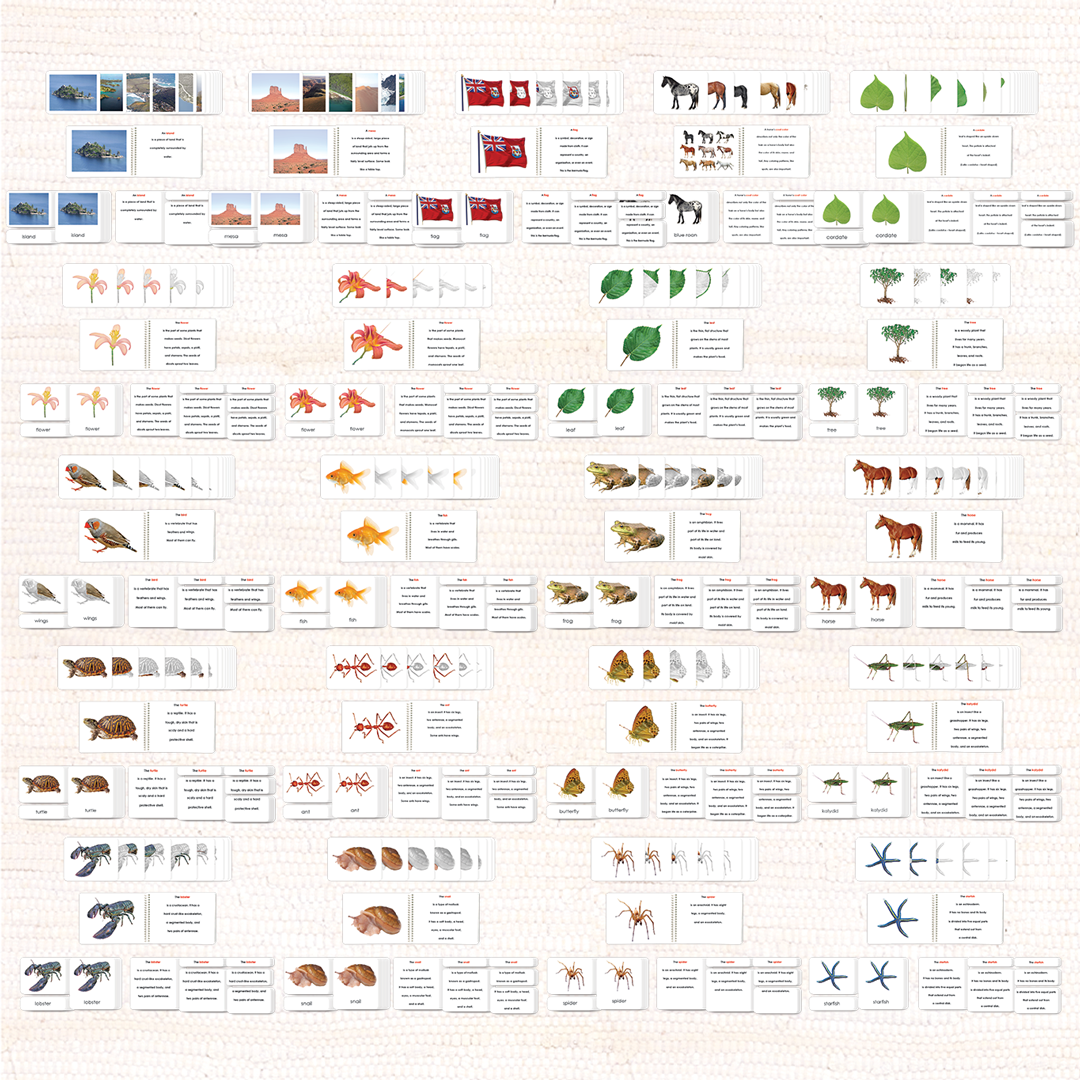
- The four Reading Fluency kits (Common Nouns, Zoology, Parts of, and Fine Art) use self-correcting 3-part cards to help children move into the non-phonetic half of English at the word level while deepening vocabulary and interest in meaningful subject areas.
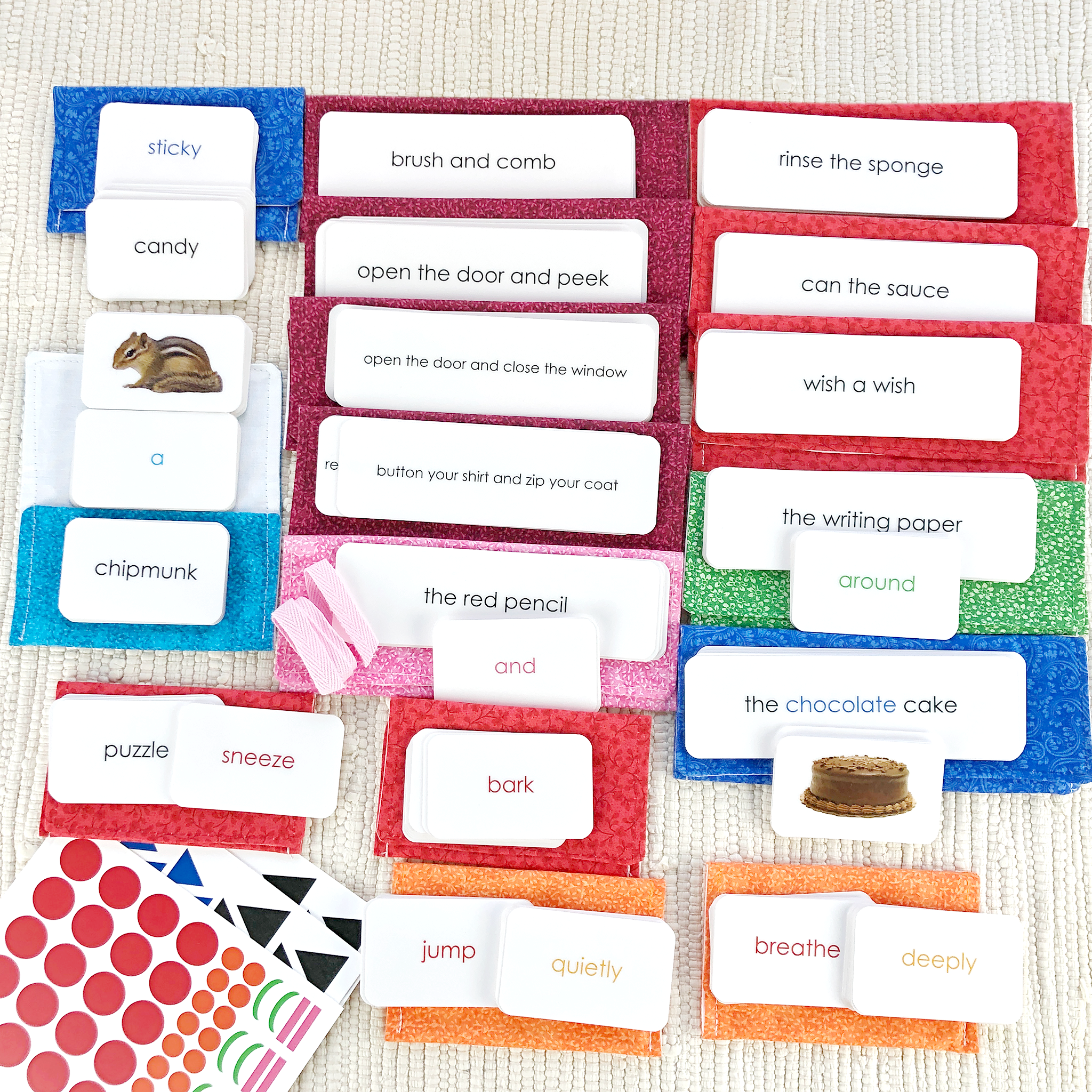
- The Grammar Kit presents the functions of words in a tangible way and prepares children to analyze sentence structure and syntax.
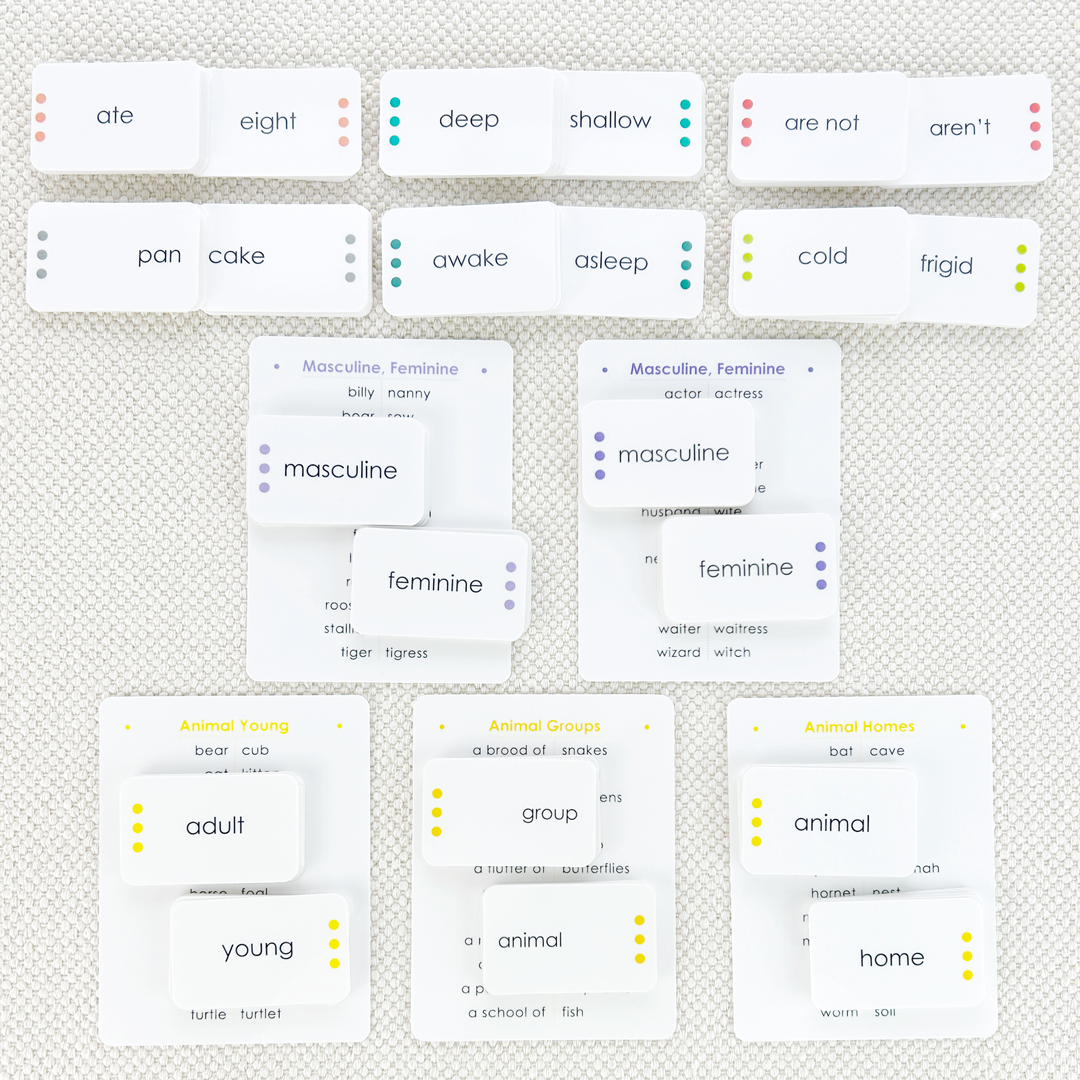
- The Word Study Kit builds spelling practice and play with types of words. Best for strong phonetic readers who can read key sound phonograms like th, ch, and ee.
Fluent readers who need to strengthen comprehension
- The Reading Comprehension Kit builds comprehension by having students rebuild definitions using background knowledge, language structure, and verbal reasoning.
For the entire range, choose our Complete EC Classroom Collection to equip an early childhood classroom for ages 3 to 6.
Why the sequence matters for reading
Skilled reading depends on many strands developing together. Scarborough's (2001) Reading Rope groups them into language comprehension (background knowledge, vocabulary, language structures, verbal reasoning, and literacy knowledge) and word recognition (phonological awareness, decoding, and sight recognition). These kits map to those strands: vocabulary and background knowledge kits for language comprehension, phonics and decoding kits for word recognition, and fluency, grammar, and comprehension kits for bringing the two together. Not sure where to begin? Our Montessori scope and sequence shows how the stages fit together.
Scarborough, H. S. (2001). Connecting early language and literacy to later reading (dis)abilities: Evidence, theory, and practice. In S. B. Neuman & D. K. Dickinson (Eds.), Handbook of early literacy research (pp. 97–110). Guilford Press.
Frequently asked questions
Which Montessori language kit should I start with?
Start with the stage the student has reached. If students are not yet reading, give them the vocabulary and background knowledge that will support them when they start to read. Students who know the sounds of the alphabet are ready for the phonics and decoding kits. Students who read phonetic words can move on to reading fluency and spelling, then grammar, word study, and comprehension.
What ages are these language materials for?
The kits span Toddler through Grade 2 and beyond. The materials follow reading readiness rather than a fixed age.
Are the materials self-correcting?
Many are. All 3-part cards include a built-in control of error so that students learn to recognize and fix their own mistakes. Many other materials have a control card that students can use to proofread their own or a peer's work. The overarching goal is to help students learn to learn without an authority figure telling them they are right or wrong. We want them to be able to learn to accurately see their own abilities and areas for growth.
Is there a homeschool option?
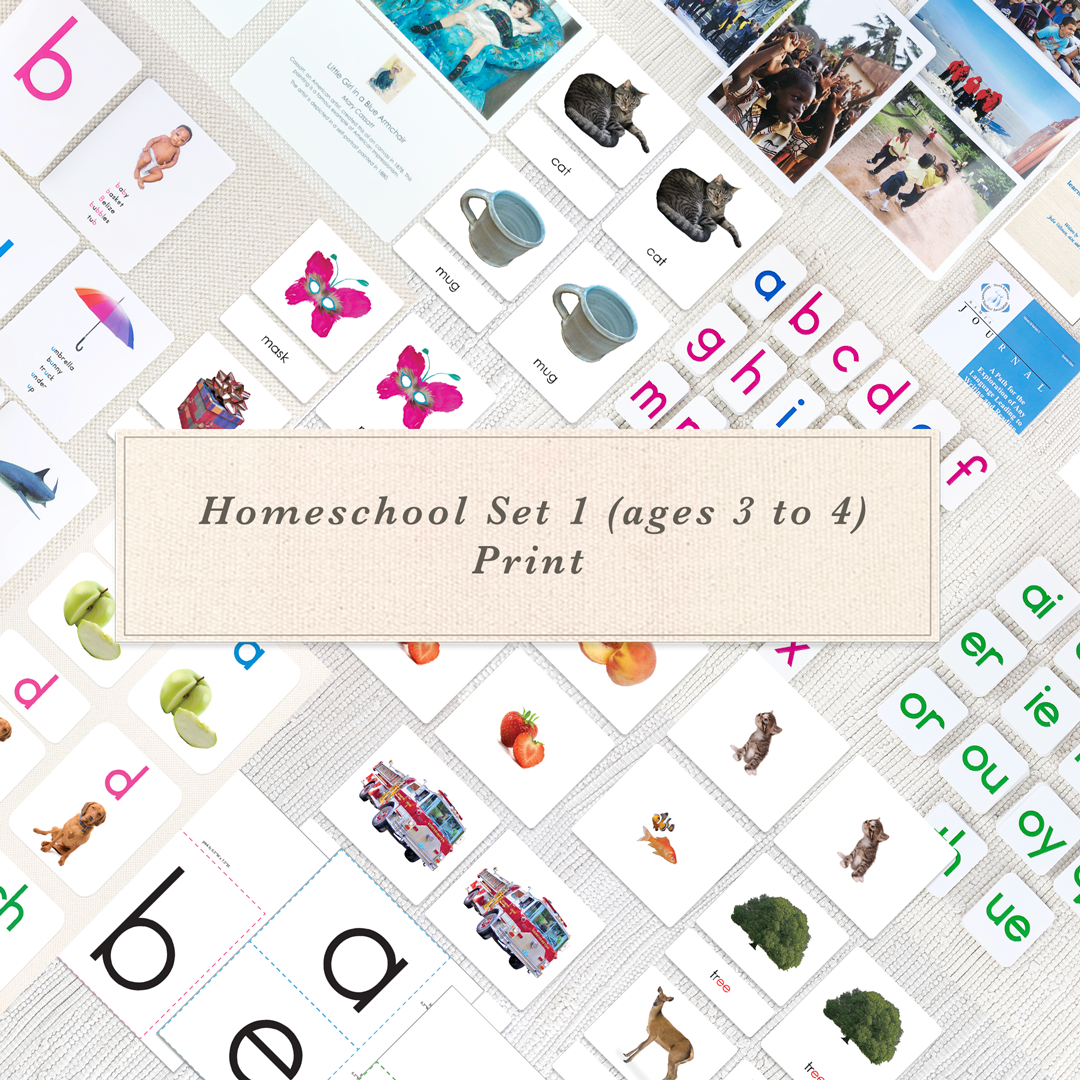
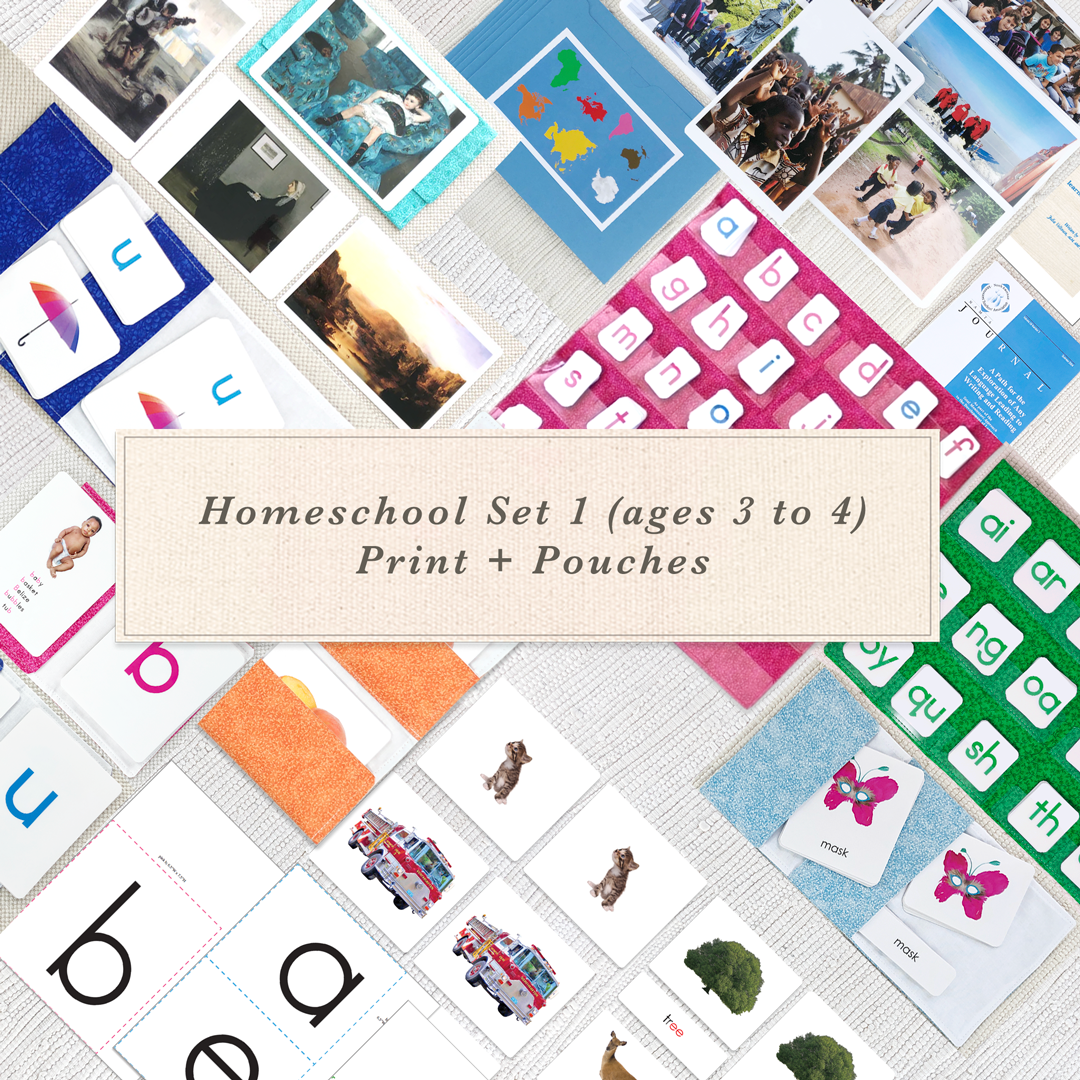
Yes. The Home School Starter Set 1: Foundations gives homeschool families the foundational materials to implement the Montessori/Dwyer approach to literacy, and it works for children of mixed ages and abilities.
What are the cards made of, and where are they made?
All materials are CPSIA-compliant and sustainably eco-manufactured in-house in our straw-bale office in Massachusetts (made in the USA). Every material is designed by an AMI-certified educator with a Harvard background in neuroscience.
Download a PDF of our materials

Follow Us